

Earthing & Bonding VR training for chemicals in Pune.
Pune, Maharashtra — auto, engineering and manufacturing belt (Chakan–Talegaon and Ranjangaon industrial clusters). Train workers to apply, verify and remove circuit-main earths and equipotential bonding correctly so an isolated circuit stays safe to touch.
Earthing & Bonding VR training for chemicals in Pune
DrillXR Earthing and Bonding trains workers to make an isolated circuit genuinely safe to touch, because isolation alone does not. The simulation reproduces the hazards that earthing and bonding exist to control: dangerous touch and step potential on an unbonded structure, back-feed or induced voltage appearing on a circuit assumed dead, an earth applied to the wrong point or to a circuit that was never proved dead, and the earth left in place when the circuit is restored. Inside the headset the worker confirms the circuit is isolated and proved dead, selects the correct earthing and bonding equipment for the rating, applies the earth to a proven dead point in the right order, verifies continuity and equipotential bonding, and removes the earths in sequence with a record before restoration. The discipline of earth-only-what-you-have-proved is what the headset is built to instil.
Earthing is the control that catches what energy isolation misses, and India's framework treats it as integral to safe electrical work. The Electricity Act 2003 and the Central Electricity Authority safety regulations set the duties for working on electrical installations, the Factories Act 1948 covers the safe operation and maintenance of electrical plant, and OISD earthing guidance shapes practice for petroleum installations. The dangerous error is rarely conceptual; it is an earth clamped to an unproven point, a bonding lead left off a structure, or an earth forgotten before re-energisation. None of those are trained out by a diagram on a wall. DrillXR lets a worker apply, verify and remove earths in the headset, and feel the consequence of a back-fed conductor or a missed bond, so the habit holds when a real circuit is in front of them.
Earthing & Bonding training for Pune’s industrial base
Pune is one of western India's most concentrated manufacturing economies, anchored by the Chakan–Talegaon belt and the Ranjangaon industrial cluster on the Pune–Ahmednagar axis. The corridor packs automotive OEMs, two-wheeler giants, tier-one component suppliers, precision engineering shops and a deep bench of forging, casting and machining units into a relatively tight geography. Shift-based production runs around the clock, and a large share of the workforce is contract and migrant labour that rotates frequently between plants. That combination — high-throughput lines, heavy material handling and a constantly refreshing operator pool — makes consistent, repeatable safety competence one of the hardest operational problems a Pune plant manager has to solve.
Pune's manufacturing density means a single unsafe forklift turn, a defeated machine guard or a slow line-side evacuation can stop production across a tier-one supplier and ripple straight up to the OEM. Traditional induction — a slide deck, a signed register, a walk of the shop — does not reliably transfer competence to a workforce that turns over quickly and often does not share a first language with the trainer. VR changes the economics of that problem. A new operator can rehearse a tip-over, a pedestrian near-miss or a press lockout in the headset until the correct response is automatic, and the plant gets a numerical score for every attempt rather than a signature on a sheet. For Chakan and Ranjangaon suppliers under continuous OEM audit, that assessable, repeatable record is the difference between claiming training happened and proving it did.
Inside a earthing & bonding drill
The session begins with a circuit that the trainee has been told is isolated. Their first duty is not to trust that but to confirm isolation and prove the circuit dead, testing their detector on a known live source before and after. They select earthing and bonding equipment rated for the circuit rather than whatever is to hand. They apply the earth to a proven dead point and in the correct order, and where a structure is present they apply equipotential bonding; clamp to an unproven point and the simulation demonstrates the consequence. They verify continuity and confirm the bonding is effective, establishing the equipotential zone. With work notionally complete, they remove the earths in the correct sequence and record the removal before restoration. Leaving an earth applied at restoration, or skipping the prove-dead step, is captured against the score.
Chemicals risk in focus
Chemical-sector failure modes are process-safety driven and high-consequence. Toxic release — loss of containment of a hazardous substance — threatens workers on site and populations beyond the fence line, and demands instant correct PPE, containment and reporting. Runaway reactions, where exothermic processes exceed control, can rupture vessels and trigger fire or explosion. Confined-space entry into reactors, vessels and sumps combines toxic-atmosphere, residual-chemical and entrapment hazards. Fire and explosion from flammable inventories complete the profile. Each of these escalates in seconds and turns entirely on whether trained crews execute the right procedure under acute stress.
Go deeper on the Earthing & Bonding module, VR training for chemicals, or all training in Pune.
The hazards drilled
- touch and step potential on an unbonded structure
- back-feed or induced voltage on a circuit assumed dead
- earth applied to the wrong point or to a still-live circuit
- earth left applied before re-energisation
Chemicals risks in Pune
- toxic release
- runaway reactions
- confined space
- fire/explosion
The scored procedure
- 01Confirm the circuit is isolated and proved dead
- 02Select the correct earthing and bonding equipment
- 03Apply the earth to a proven dead point in the right order
- 04Verify continuity and equipotential bonding
- 05Remove earths in sequence and record before restoration
Compliance mapping
Related drills for chemicals
Explore the Earthing & Bonding module, VR training for chemicals, or all training in Pune.
Earthing & Bonding VR training in Pune — FAQs
Why run earthing & bonding VR training for chemicals in Pune?
Pune is auto, engineering and manufacturing belt (Chakan–Talegaon and Ranjangaon industrial clusters). Chemicals teams there face toxic release, runaway reactions, confined space. DrillXR lets crews rehearse earthing & bonding safely and repeatably, with scored, audit-ready evidence.
What does the Earthing & Bonding simulation cover?
Train workers to apply, verify and remove circuit-main earths and equipotential bonding correctly so an isolated circuit stays safe to touch. It reproduces touch and step potential on an unbonded structure, back-feed or induced voltage on a circuit assumed dead, earth applied to the wrong point or to a still-live circuit.
Which regulations apply?
Electricity Act 2003 with Central Electricity Authority (Measures relating to Safety and Electric Supply) Regulations 2010; Factories Act 1948 (safe operation and maintenance of electrical plant); OISD guidance on electrical earthing for petroleum installations; MSIHC Rules; Factories Act 1948 (MAH units); PESO.
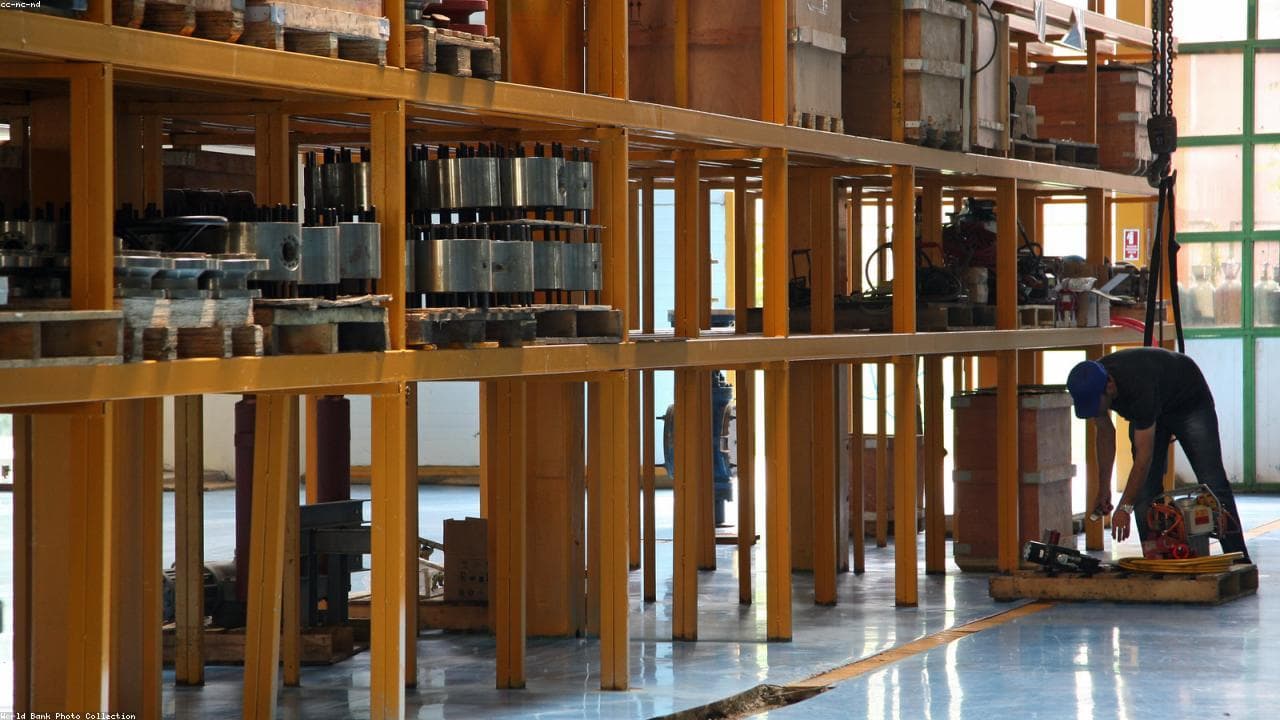
Earthing & Bonding drills for chemicals in Pune.
Book a walkthrough or start a focused pilot on your site.