
Fire & Evacuation VR training for chemicals in Pune.
Pune, Maharashtra — auto, engineering and manufacturing belt (Chakan–Talegaon and Ranjangaon industrial clusters). Practise extinguisher selection, fire-spread behaviour and coordinated evacuation in a true-to-life plant fire, without lighting one.
Fire & Evacuation VR training for chemicals in Pune
DrillXR Fire and Evacuation puts a trainee inside a true-to-life plant fire so they can act, not just watch. The simulation reproduces Class A, B and C ignition and spread, the smoke that strips away visibility, the egress routes that get blocked when a fire takes hold, and the panic and crowd flow that turn an orderly evacuation into a crush. Inside the headset the learner raises the alarm, sizes up the fire, selects the correct extinguisher for the fuel involved, applies the P.A.S.S. technique under time pressure, moves to the designated safe route and accounts for personnel at the assembly point. Every one of those decisions carries a consequence the trainee can see and feel.
The stakes are heavy and statutory. The Factories Act 1948 obliges occupiers to provide adequate means of escape and fire-fighting provision, the National Building Code of India Part 4 sets the fire and life-safety framework for the premises themselves, and BIS IS 2190 governs which extinguisher belongs against which class of fire. Classroom slides and a once-a-year wet drill rarely build the muscle memory that decides whether someone reaches for water on an electrical fire or freezes when the corridor fills with smoke. DrillXR lets a workforce rehearse the full chain of response, repeatedly and assessably, without ever lighting a fire on site.
Fire & Evacuation training for Pune’s industrial base
Pune is one of western India's most concentrated manufacturing economies, anchored by the Chakan–Talegaon belt and the Ranjangaon industrial cluster on the Pune–Ahmednagar axis. The corridor packs automotive OEMs, two-wheeler giants, tier-one component suppliers, precision engineering shops and a deep bench of forging, casting and machining units into a relatively tight geography. Shift-based production runs around the clock, and a large share of the workforce is contract and migrant labour that rotates frequently between plants. That combination — high-throughput lines, heavy material handling and a constantly refreshing operator pool — makes consistent, repeatable safety competence one of the hardest operational problems a Pune plant manager has to solve.
Pune's manufacturing density means a single unsafe forklift turn, a defeated machine guard or a slow line-side evacuation can stop production across a tier-one supplier and ripple straight up to the OEM. Traditional induction — a slide deck, a signed register, a walk of the shop — does not reliably transfer competence to a workforce that turns over quickly and often does not share a first language with the trainer. VR changes the economics of that problem. A new operator can rehearse a tip-over, a pedestrian near-miss or a press lockout in the headset until the correct response is automatic, and the plant gets a numerical score for every attempt rather than a signature on a sheet. For Chakan and Ranjangaon suppliers under continuous OEM audit, that assessable, repeatable record is the difference between claiming training happened and proving it did.
Inside a fire & evacuation drill
A session opens on the shop floor as a fault sparks a small Class B fuel fire near a process line. The trainee first raises the alarm at the nearest call point, establishing that life safety and notification come before any attempt to fight the fire. They then assess size and fuel type and select an extinguisher from the station; choose a water unit on the flammable liquid and the fire spreads. With the correct agent in hand they apply P.A.S.S., aiming at the base and sweeping until knockdown. As smoke banks down and one corridor fills, the headset presents a route choice and the learner evacuates by the safe egress to the assembly point, where they complete a head count. Hesitation, a wrong agent or a missed head count all register against the score.
Chemicals risk in focus
Chemical-sector failure modes are process-safety driven and high-consequence. Toxic release — loss of containment of a hazardous substance — threatens workers on site and populations beyond the fence line, and demands instant correct PPE, containment and reporting. Runaway reactions, where exothermic processes exceed control, can rupture vessels and trigger fire or explosion. Confined-space entry into reactors, vessels and sumps combines toxic-atmosphere, residual-chemical and entrapment hazards. Fire and explosion from flammable inventories complete the profile. Each of these escalates in seconds and turns entirely on whether trained crews execute the right procedure under acute stress.
Go deeper on the Fire & Evacuation module, VR training for chemicals, or all training in Pune.
The hazards drilled
- Class A/B/C fire ignition & spread
- smoke spread and visibility loss
- blocked egress routes
- panic and crowd flow
Chemicals risks in Pune
- toxic release
- runaway reactions
- confined space
- fire/explosion
The scored procedure
- 01Raise the alarm
- 02Select the correct extinguisher
- 03Apply P.A.S.S. technique
- 04Evacuate via the safe route
- 05Account for personnel at the assembly point
Compliance mapping
Related drills for chemicals
Explore the Fire & Evacuation module, VR training for chemicals, or all training in Pune.
Fire & Evacuation VR training in Pune — FAQs
Why run fire & evacuation VR training for chemicals in Pune?
Pune is auto, engineering and manufacturing belt (Chakan–Talegaon and Ranjangaon industrial clusters). Chemicals teams there face toxic release, runaway reactions, confined space. DrillXR lets crews rehearse fire & evacuation safely and repeatably, with scored, audit-ready evidence.
What does the Fire & Evacuation simulation cover?
Practise extinguisher selection, fire-spread behaviour and coordinated evacuation in a true-to-life plant fire, without lighting one. It reproduces Class A/B/C fire ignition & spread, smoke spread and visibility loss, blocked egress routes.
Which regulations apply?
Factories Act 1948 (fire safety & means of escape); National Building Code of India (Part 4 Fire & Life Safety); BIS IS 2190 (fire extinguisher selection); MSIHC Rules; Factories Act 1948 (MAH units); PESO.
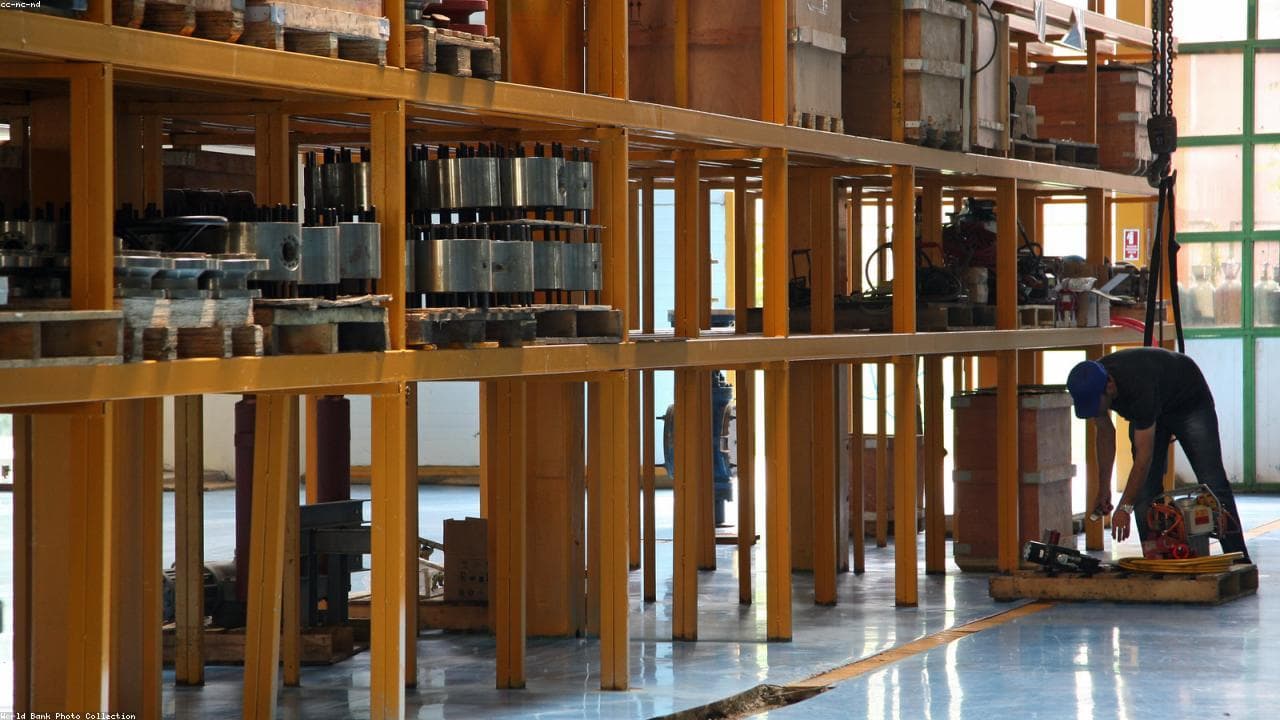
Fire & Evacuation drills for chemicals in Pune.
Book a walkthrough or start a focused pilot on your site.