
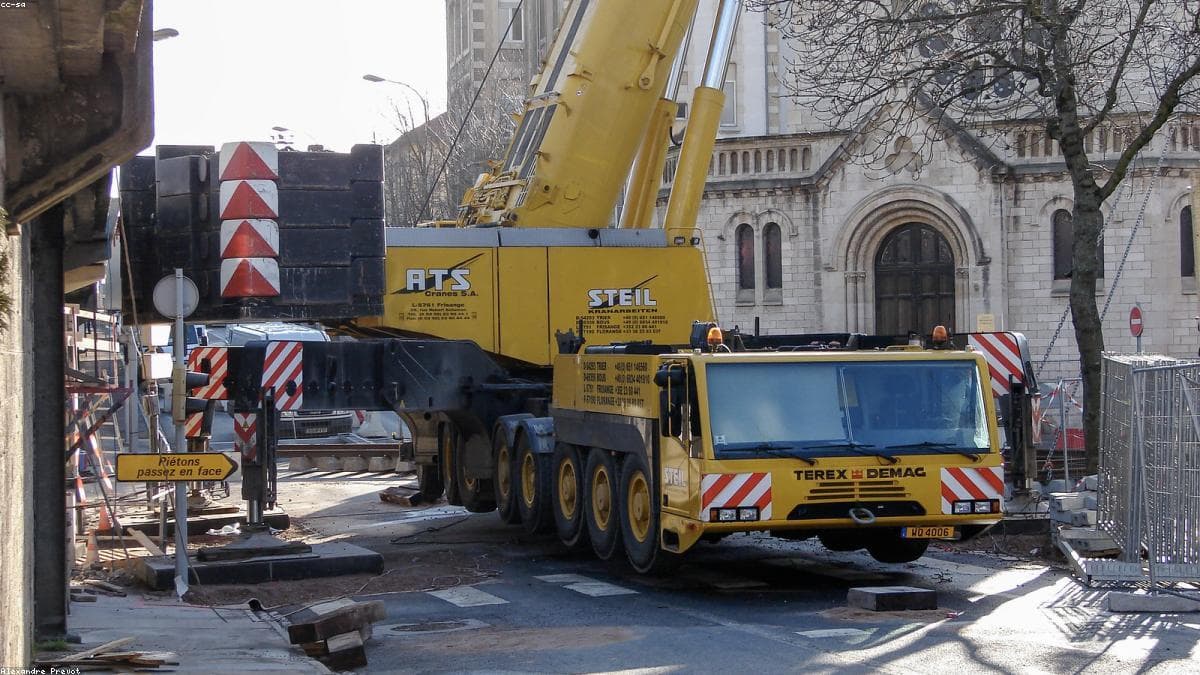
VR safety training for construction in India.
Construction safety training that drills falls from height, lifting and site-traffic hazards in VR. Real fatality data, BOCW-aligned competence, and audit-ready evidence.
fatal accidents in India's construction sector — one of its deadliest industries.
Source: British Safety Council (India)
The challenge: the sector that kills the most
Construction is, by most estimates, the deadliest industrial sector in India. The British Safety Council reports roughly 38 fatal accidents a day, and a 2016 NIT-Surat / IIT-Delhi study attributed around 11,614 deaths a year to construction — close to a quarter of all workplace fatalities in the country. Falls from height alone cause around 60% of construction accidents.
The workforce is large, transient and often newly inducted, which is the worst possible profile for safety: the people most exposed to falls, lifting hazards and site traffic are frequently the least practised in the procedures that prevent them.
of construction accidents are falls from height — the leading killer.
British Safety Council
of all India workplace fatalities occur in construction.
NIT-Surat / IIT-Delhi study
the statutory framework deployments must satisfy.
BOCW Act 1996
A safety induction on a construction site is often a signature on a register and a few minutes of talk. It cannot replicate standing at an unprotected edge, selecting and rating an anchor, or maintaining 100% tie-off — the exact decisions that decide whether a worker goes home.
The DrillXR approach for construction
DrillXR drills work-at-height in VR — harness and PPE inspection, anchor selection and rating, fall-arrest and safe-envelope discipline — plus lifting, machine safety and coordinated emergency response, scoring every step. New hires reach competency before they reach the edge.
Because it deploys on-site in kiosk mode, a roving safety kit can induct crews at any project location, capture scored results, and sync them to one record — turning a fragmented, site-by-site process into a consistent, auditable one.
The case for immersive rehearsal, from published research
A landmark PwC study of immersive training found that VR learners completed training up to four times faster than in the classroom, were up to 275% more confident applying what they had learned, and felt 3.75 times more emotionally connected to the material than classroom learners — the emotional encoding that makes a procedure stick under real pressure.
The National Training Laboratories' learning research puts retention from learning-by-doing at roughly 75%, against only about 5% for a lecture and 10% for reading. Safety procedures are doing — not facts to memorise — which is exactly where immersive rehearsal compounds. The ILO, separately, estimates that workplace accidents and ill-health cost economies around 4% of GDP, so the upside of competence that actually transfers is measured in avoided incidents, not training hours.
faster to competency than classroom training (PwC benchmark, applied to your onboarding).
knowledge retention for rehearsed, hands-on procedures vs ~5% for lectures (NTL).
of attempts scored, timed and certified into one audit-ready record.
Projected impact based on published, third-party VR-training research (PwC; National Training Laboratories) applied to a DrillXR deployment — research-based benchmarks, not a guarantee or a specific client result. Your own figures are established during a pilot.
Every figure on this page is cited
The statistics above are drawn from public regulators, government data and independent research, not from DrillXR. Industry figures describe the sector’s real risk; the efficacy figures come from third-party VR-training studies. We do not publish invented client outcomes.
- [1]British Safety Council (India) — Construction in India: a dangerous business (~38 fatal accidents/day; ~60% falls).
- [2]NIT-Surat / IIT-Delhi (2016) — Estimate of construction-sector fatalities (~11,614/yr).
- [3]PwC — The Effectiveness of VR Soft Skills Training in the Enterprise (study).
- [4]National Training Laboratories — Learning retention / the learning pyramid.
- [5]International Labour Organization (ILO) — The enormous burden of poor working conditions (≈4% of GDP).
Construction VR training — FAQs
What's the highest-value module for construction?
Work at height, because falls cause around 60% of construction fatalities. It drills harness use, anchor selection and fall-arrest discipline safely and repeatably.
Does it support BOCW compliance?
Yes — scored, certified drills generate audit-ready competency evidence aligned to the BOCW Act 1996 and the Factories Act for off-site works.
Can it induct a transient workforce quickly?
Yes. Kiosk-mode headsets let new hires complete scored inductions on-site with no per-user setup, ideal for a high-churn workforce.
Prove competence in construction, before the incident.
Book a walkthrough tuned to your sector hazards, or scope a pilot on your own site.