
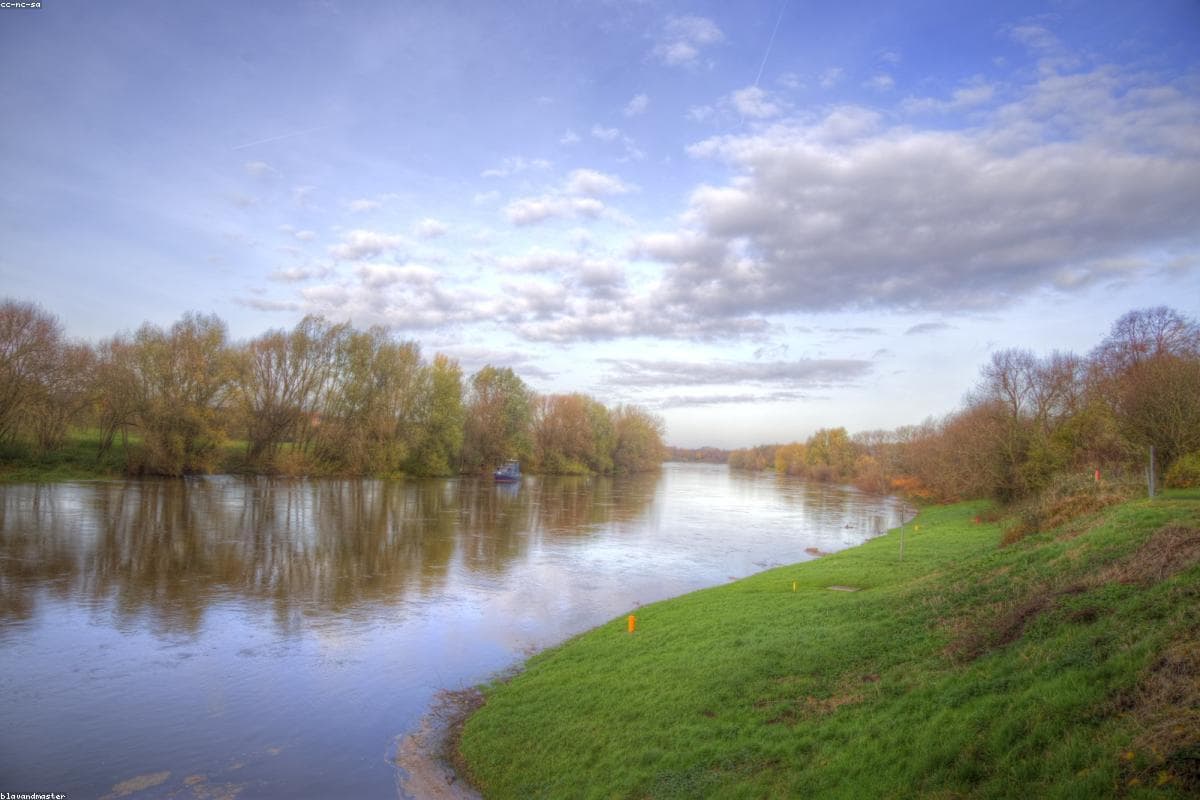
Working Near Water & Drowning Prevention VR training.
Rehearse edge discipline, buoyancy aid use and water rescue so workers on quaysides, banks and over-water structures survive a fall into water.
Working Near Water & Drowning Prevention VR training
DrillXR Working Near Water and Drowning Prevention puts a trainee on the quayside, jetty and bank edges where a single slip can become a drowning. The simulation reproduces the hazards that kill at the water's edge: falls into water from unprotected edges, the cold-water shock that incapacitates a strong swimmer within minutes, the current or tide that sweeps a person away from any rescue point, and the drowning that so often follows when a would-be rescuer jumps in. Inside the headset the worker assesses the water hazard and the edge condition, dons and checks the correct buoyancy aid or lifejacket, sets up edge protection and rescue equipment, works within a safe zone back from the edge, and executes a reach-or-throw rescue without ever entering the water themselves.
Drowning at work is sudden and frequently doubles its casualties when colleagues react on instinct. The Dock Workers (Safety, Health and Welfare) Act 1986 sets duties for safe work at ports and on quaysides, and the Factories Act 1948 obliges occupiers to provide safe means of access and to control dangerous operations near water. A site water-edge working and rescue procedure then governs buoyancy aids, edge protection and the rescue method. The deadliest moment is the rescue: a worker sees a colleague in the water and enters to save them, and now there are two casualties. DrillXR rehearses the reach-and-throw discipline and the habit of staying out of the water, so the response that saves lives is trained before a real fall ever tests it.
Why train working near water & drowning prevention in VR
Water-edge training has the same problem as height: you cannot safely let a learner fall into cold water or watch a colleague go under, yet that is exactly the moment the training must shape. VR resolves it. The trainee experiences the proximity to the edge, the sense of a person in the water and the pull to jump in, then learns through the simulation why a reach-or-throw rescue from dry land is the only correct response and why entering the water creates a second victim. They practise wearing and checking a lifejacket, keeping back from an unguarded edge, and deploying a throw line under pressure — judgement calls that a briefing leaves abstract. Staging a real over-water rescue drill is hazardous and rarely done well; DrillXR removes the risk while keeping the consequence, which is why it changes the instinct that drowns rescuers.
Inside a working near water & drowning prevention session
A session places the trainee on a quayside with a task to perform near the water. They begin by assessing the water hazard and the edge — its height, condition and any tide or current — rather than walking straight to the edge. They don a buoyancy aid or lifejacket and check it is serviceable and correctly fastened; an unchecked or wrongly worn aid is logged. They set up edge protection and confirm rescue equipment, a throw line and reaching pole, is to hand. Working within the safe zone, the trainee keeps back from the unprotected edge while completing the task. The scenario then presents a person in the water: the trainee must keep their footing and execute a reach-or-throw rescue from land. Enter the water to rescue and the simulation demonstrates the second-casualty outcome and scores it as a failure.
Scoring & certification
Each attempt is scored against the procedure: water hazard and edge assessed, buoyancy aid donned and checked, edge protection and rescue equipment set up, work kept within the safe zone, and a reach-or-throw rescue executed without entering the water. The decisive failures are captured explicitly — an unworn or unchecked lifejacket, working too close to an unguarded edge, and above all an entry rescue — so an assessor sees the exact unsafe act. Per-step weighting yields an overall competency outcome and a passing run issues a dated certificate against the worker's record. Results flow over xAPI and SCORM to the LMS and the DrillXR compliance dashboard, where a port or site safety lead can confirm only competent workers are cleared for water-edge tasks and can evidence rescue competence to a regulator.
Deployment on your site
Working Near Water runs on Meta Quest, Pico and PC-VR and starts in kiosk mode, booting directly into the module so a site induction can run a queue of workers through without an instructor driving menus. The scenario is configurable to the customer's reality: quay, jetty or bank geometry, edge height and protection, the buoyancy aids issued, the rescue equipment available, and tide or current conditions can be set to match the work actually performed on site. Headsets are managed as a fleet from a single console, with completion records feeding the central dashboard. For ports, construction and power operators working over and beside water across many sites, this delivers identical drowning-prevention training and assessment wherever the work is, before anyone is cleared near the edge.
Explore all VR safety training, see how it adapts to your industry, or read whether VR is effective for safety training.
Hazards it reproduces
- falls into water from quays, jetties and bank edges
- cold-water shock and rapid incapacitation
- being swept by current or tide
- drowning during an uncoordinated rescue attempt
The scored procedure
- 01Assess the water hazard and edge condition
- 02Don and check the correct buoyancy aid or lifejacket
- 03Set up edge protection and rescue equipment
- 04Work within the safe zone away from the edge
- 05Execute a reach-or-throw rescue without entering the water
Compliance mapping
Working Near Water & Drowning Prevention training by industry & location
Tuned to sector hazards and local regulation. Explore the combinations most relevant to this module.
Working Near Water & Drowning Prevention FAQs
What does the Working Near Water & Drowning Prevention VR module cover?
Rehearse edge discipline, buoyancy aid use and water rescue so workers on quaysides, banks and over-water structures survive a fall into water.
Which hazards does it simulate?
falls into water from quays, jetties and bank edges; cold-water shock and rapid incapacitation; being swept by current or tide; drowning during an uncoordinated rescue attempt.
Is the working near water & drowning prevention training assessed?
Yes. Every step is scored and timed, with pass thresholds that trigger certificates and feed the compliance dashboard.
Which standards does it map to?
Dock Workers (Safety, Health & Welfare) Act 1986; Factories Act 1948 (safe means of access & dangerous operations); site water-edge working & rescue standard operating procedure.

See Working Near Water & Drowning Prevention scored live.
Book a walkthrough tuned to your equipment and site.