
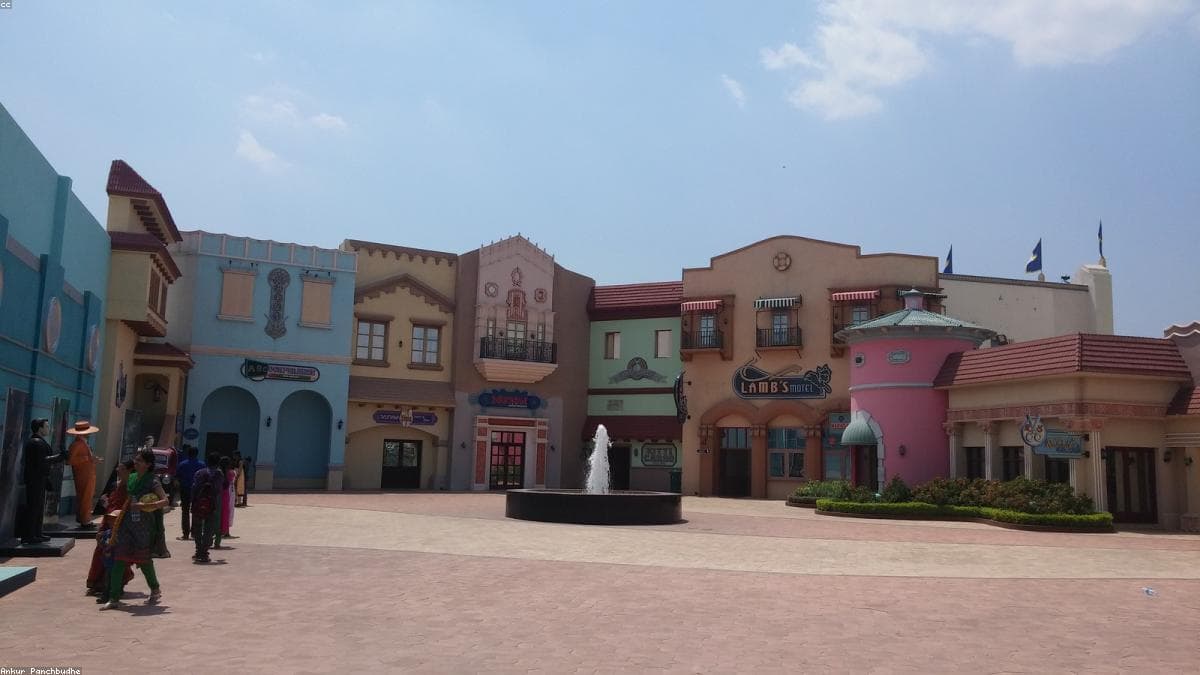
Working Near Water & Drowning Prevention VR training for ports & terminals in Hyderabad.
Hyderabad, Telangana — pharma and life-sciences hub (Genome Valley and Jeedimetla pharma clusters). Rehearse edge discipline, buoyancy aid use and water rescue so workers on quaysides, banks and over-water structures survive a fall into water.
Working Near Water & Drowning Prevention VR training for ports & terminals in Hyderabad
DrillXR Working Near Water and Drowning Prevention puts a trainee on the quayside, jetty and bank edges where a single slip can become a drowning. The simulation reproduces the hazards that kill at the water's edge: falls into water from unprotected edges, the cold-water shock that incapacitates a strong swimmer within minutes, the current or tide that sweeps a person away from any rescue point, and the drowning that so often follows when a would-be rescuer jumps in. Inside the headset the worker assesses the water hazard and the edge condition, dons and checks the correct buoyancy aid or lifejacket, sets up edge protection and rescue equipment, works within a safe zone back from the edge, and executes a reach-or-throw rescue without ever entering the water themselves.
Drowning at work is sudden and frequently doubles its casualties when colleagues react on instinct. The Dock Workers (Safety, Health and Welfare) Act 1986 sets duties for safe work at ports and on quaysides, and the Factories Act 1948 obliges occupiers to provide safe means of access and to control dangerous operations near water. A site water-edge working and rescue procedure then governs buoyancy aids, edge protection and the rescue method. The deadliest moment is the rescue: a worker sees a colleague in the water and enters to save them, and now there are two casualties. DrillXR rehearses the reach-and-throw discipline and the habit of staying out of the water, so the response that saves lives is trained before a real fall ever tests it.
Working Near Water & Drowning Prevention training for Hyderabad’s industrial base
Hyderabad is India's pharmaceutical and life-sciences powerhouse, and its industrial map is defined by clusters built specifically for regulated manufacturing. Genome Valley on the city's northern edge concentrates biotech, vaccine and life-sciences R&D and production, while the older Jeedimetla, Bollaram and Patancheru belts host bulk-drug, API and formulation plants alongside a dense base of supporting chemical units. This is precision manufacturing under containment: cleanroom protocols, reactive chemistry, solvent handling and tightly controlled processes where a breach is both a safety event and a quality event with regulatory consequences that reach well beyond the plant gate.
In Hyderabad's pharma economy a safety lapse rarely stays a safety lapse — a spill, a containment breach or a contamination event becomes a GMP deviation, and the cost compounds across compliance, batch loss and regulatory exposure. Yet the very scenarios most worth practising, like handling a hazardous reagent release or responding to a fire near solvents, cannot be staged safely on the real line. VR resolves that tension. DrillXR lets a technician practise SDS-driven substance identification, correct PPE selection, containment and decontamination, and a controlled fire response — repeatedly, with a score on every attempt. For Genome Valley and Jeedimetla plants whose every procedure must be evidenced for GMP and Factories Act audits, that immersive, assessed record is far stronger proof of competence than a classroom roster, and it is reproducible across the whole workforce.
Inside a working near water & drowning prevention drill
A session places the trainee on a quayside with a task to perform near the water. They begin by assessing the water hazard and the edge — its height, condition and any tide or current — rather than walking straight to the edge. They don a buoyancy aid or lifejacket and check it is serviceable and correctly fastened; an unchecked or wrongly worn aid is logged. They set up edge protection and confirm rescue equipment, a throw line and reaching pole, is to hand. Working within the safe zone, the trainee keeps back from the unprotected edge while completing the task. The scenario then presents a person in the water: the trainee must keep their footing and execute a reach-or-throw rescue from land. Enter the water to rescue and the simulation demonstrates the second-casualty outcome and scores it as a failure.
Ports & Terminals risk in focus
Port failure modes are dominated by movement and enclosure. Lifting operations — quay and yard cranes handling containers and bulk over crews — cause struck-by and crushing injuries when exclusion zones, rigging or signalling fail. Vehicle and pedestrian traffic in busy terminal yards, where trailers, stackers and people intersect, is a persistent fatality source. Falls occur during work at height on cranes, container stacks and vessel access. And confined-space entry into ship holds and bulk-cargo spaces carries oxygen-deficiency and toxic-atmosphere hazards, including from the cargo itself. Each is a coordination-and-procedure failure in a space too crowded to leave to chance.
Go deeper on the Working Near Water & Drowning Prevention module, VR training for ports & terminals, or all training in Hyderabad.
The hazards drilled
- falls into water from quays, jetties and bank edges
- cold-water shock and rapid incapacitation
- being swept by current or tide
- drowning during an uncoordinated rescue attempt
Ports & Terminals risks in Hyderabad
- lifting operations
- vehicle/pedestrian traffic
- falls
- confined space (holds)
The scored procedure
- 01Assess the water hazard and edge condition
- 02Don and check the correct buoyancy aid or lifejacket
- 03Set up edge protection and rescue equipment
- 04Work within the safe zone away from the edge
- 05Execute a reach-or-throw rescue without entering the water
Compliance mapping
Related drills for ports & terminals
Explore the Working Near Water & Drowning Prevention module, VR training for ports & terminals, or all training in Hyderabad.
Working Near Water & Drowning Prevention VR training in Hyderabad — FAQs
Why run working near water & drowning prevention VR training for ports & terminals in Hyderabad?
Hyderabad is pharma and life-sciences hub (Genome Valley and Jeedimetla pharma clusters). Ports & Terminals teams there face lifting operations, vehicle/pedestrian traffic, falls. DrillXR lets crews rehearse working near water & drowning prevention safely and repeatably, with scored, audit-ready evidence.
What does the Working Near Water & Drowning Prevention simulation cover?
Rehearse edge discipline, buoyancy aid use and water rescue so workers on quaysides, banks and over-water structures survive a fall into water. It reproduces falls into water from quays, jetties and bank edges, cold-water shock and rapid incapacitation, being swept by current or tide.
Which regulations apply?
Dock Workers (Safety, Health & Welfare) Act 1986; Factories Act 1948 (safe means of access & dangerous operations); site water-edge working & rescue standard operating procedure; Dock Workers (Safety) Regulations; Factories Act; BIS lifting standards.
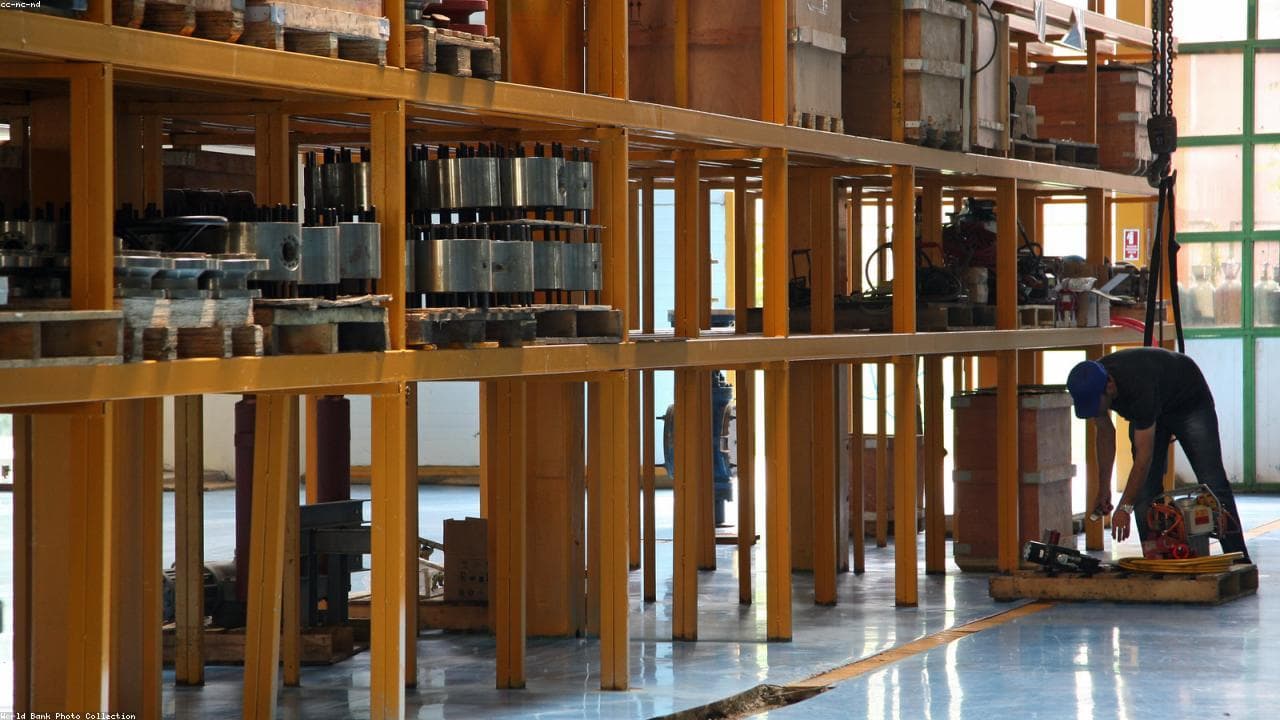
Working Near Water & Drowning Prevention drills for ports & terminals in Hyderabad.
Book a walkthrough or start a focused pilot on your site.