
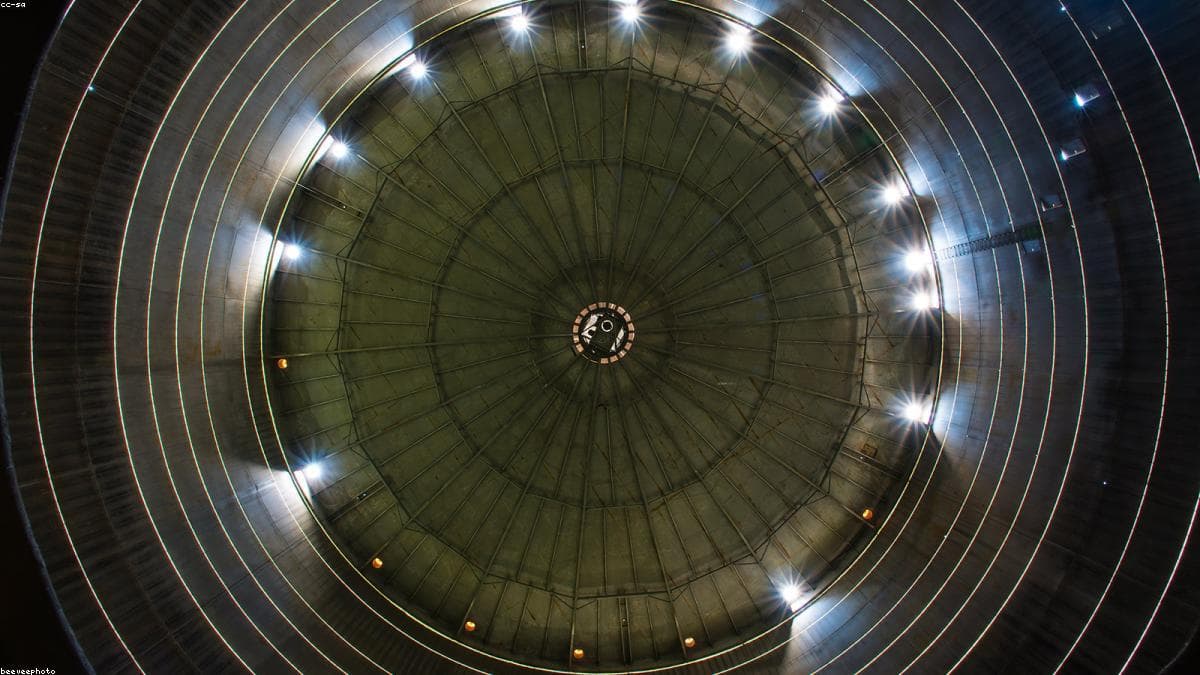
Confined Space Entry VR training.
Practise atmospheric testing, permit-to-work and rescue/standby roles for tanks, vessels and pits, the scenarios you can't safely stage.
Confined Space Entry VR training
DrillXR Confined Space Entry trains the scenarios a site genuinely cannot stage safely, putting the trainee into tanks, vessels and pits where atmosphere, not visible machinery, is the killer. The simulation reproduces oxygen deficiency and toxic atmospheres, engulfment by flowing material, entrapment in a tight or sloping space, and the failed rescue that so often turns one casualty into several. The learner works the controlling procedure: issuing the entry permit, testing the atmosphere before and during entry, setting up ventilation and a standby attendant, entering with continuous monitoring, and executing a non-entry rescue if conditions deteriorate. Because the danger is invisible, the discipline of test-first and never-enter-to-rescue is exactly what the headset is built to instil.
Confined-space incidents are notorious for their casualty multiplier: a would-be rescuer rushes in without testing and is overcome by the same atmosphere. India's framework reflects the seriousness, with the Factories Act 1948 governing entry duties, OISD-GDN-182 setting confined-space practice for the oil and gas sector, and a permit-to-work system controlling who enters and under what conditions. You cannot ethically recreate an oxygen-deficient vessel to train someone, and tabletop exercises never convey why an attendant must never abandon their post. DrillXR makes the invisible visible, showing the trainee what an untested atmosphere does and rehearsing the permit, the ventilation, the monitoring and the non-entry rescue until the standby-and-test discipline holds under pressure.
Why train confined space entry in VR
Confined-space hazards are invisible and counter-intuitive, which is why so many fatalities are rescuers acting on instinct. You cannot safely demonstrate an oxygen-deficient or toxic atmosphere to a learner, so traditional training stays theoretical, and theory is exactly what fails the moment a colleague collapses inside a vessel. VR makes the atmosphere a visible, modelled hazard: the trainee sees a gas reading fall, watches an unventilated space turn deadly, and feels the pull to enter and rescue, then learns through the simulation why a non-entry rescue is the only correct response. The permit, the continuous monitoring and the attendant's standby role become concrete actions rather than abstract rules. No staged drill can put a learner near a genuinely lethal atmosphere; DrillXR can, safely, which is why it changes the instinct that gets rescuers killed.
Inside a confined space entry session
The session begins outside a virtual storage vessel where the trainee must first issue and complete the entry permit, confirming the controls are in place before anyone goes near the opening. They test the atmosphere with a gas monitor, checking oxygen, flammables and toxics, and must refuse entry on a failing reading rather than proceeding. They set up forced ventilation and post a standby attendant at the entry point with the means to summon rescue. Entering with a monitor that reads continuously, the trainee performs the task while watching for a deteriorating atmosphere. When the reading drops, the scenario tests their response: an attempted entry rescue is penalised, while a correctly executed non-entry rescue, retrieving the casualty with the retrieval line from outside, is the scored success.
Scoring & certification
Each attempt is scored across the procedure: entry permit issued, atmosphere tested, ventilation and standby established, entry made with monitoring, and a non-entry rescue executed. The critical decisions are logged explicitly, entering on a bad reading, neglecting ventilation, an attendant leaving their post, or attempting an entry rescue, because these are the exact errors that kill in real confined-space incidents. Per-step weighting produces an overall competency outcome and a passing run issues a dated certificate tied to the worker's record. Results stream over xAPI and SCORM to the LMS and the DrillXR compliance dashboard, where a safety officer can verify that only competent staff are authorised for entry or standby roles and can evidence permit-system competence to a regulator.
Deployment on your site
Confined Space Entry runs on Meta Quest, Pico and PC-VR and starts in kiosk mode, booting directly into the module so a permit-receiver briefing can run trainees through in sequence. The scenario is configurable to the site: vessel and tank geometry, the specific atmospheric hazards expected, ventilation arrangements, the permit-to-work format and the standby and rescue setup can be matched to the customer's confined spaces. Headsets are managed as a fleet from one console with completion data feeding the central dashboard. For oil and gas, chemicals, mining and power operators, this delivers consistent, auditable confined-space competence across every site without ever exposing a trainee to a real hazardous atmosphere.
Explore all VR safety training, see how it adapts to your industry, or read whether VR is effective for safety training.
Hazards it reproduces
- oxygen deficiency / toxic atmosphere
- engulfment
- entrapment
- failed rescue
The scored procedure
- 01Issue the entry permit
- 02Test the atmosphere
- 03Set up ventilation & standby
- 04Enter with monitoring
- 05Execute non-entry rescue
Compliance mapping
Confined Space Entry training by industry & location
Tuned to sector hazards and local regulation. Explore the combinations most relevant to this module.
Confined Space Entry FAQs
What does the Confined Space Entry VR module cover?
Practise atmospheric testing, permit-to-work and rescue/standby roles for tanks, vessels and pits, the scenarios you can't safely stage.
Which hazards does it simulate?
oxygen deficiency / toxic atmosphere; engulfment; entrapment; failed rescue.
Is the confined space entry training assessed?
Yes. Every step is scored and timed, with pass thresholds that trigger certificates and feed the compliance dashboard.
Which standards does it map to?
Factories Act 1948; OISD-GDN-182 (confined space); permit-to-work system.

See Confined Space Entry scored live.
Book a walkthrough tuned to your equipment and site.