
Confined Space Entry VR training for cement in Pune.
Pune, Maharashtra — auto, engineering and manufacturing belt (Chakan–Talegaon and Ranjangaon industrial clusters). Practise atmospheric testing, permit-to-work and rescue/standby roles for tanks, vessels and pits, the scenarios you can't safely stage.
Confined Space Entry VR training for cement in Pune
DrillXR Confined Space Entry trains the scenarios a site genuinely cannot stage safely, putting the trainee into tanks, vessels and pits where atmosphere, not visible machinery, is the killer. The simulation reproduces oxygen deficiency and toxic atmospheres, engulfment by flowing material, entrapment in a tight or sloping space, and the failed rescue that so often turns one casualty into several. The learner works the controlling procedure: issuing the entry permit, testing the atmosphere before and during entry, setting up ventilation and a standby attendant, entering with continuous monitoring, and executing a non-entry rescue if conditions deteriorate. Because the danger is invisible, the discipline of test-first and never-enter-to-rescue is exactly what the headset is built to instil.
Confined-space incidents are notorious for their casualty multiplier: a would-be rescuer rushes in without testing and is overcome by the same atmosphere. India's framework reflects the seriousness, with the Factories Act 1948 governing entry duties, OISD-GDN-182 setting confined-space practice for the oil and gas sector, and a permit-to-work system controlling who enters and under what conditions. You cannot ethically recreate an oxygen-deficient vessel to train someone, and tabletop exercises never convey why an attendant must never abandon their post. DrillXR makes the invisible visible, showing the trainee what an untested atmosphere does and rehearsing the permit, the ventilation, the monitoring and the non-entry rescue until the standby-and-test discipline holds under pressure.
Confined Space Entry training for Pune’s industrial base
Pune is one of western India's most concentrated manufacturing economies, anchored by the Chakan–Talegaon belt and the Ranjangaon industrial cluster on the Pune–Ahmednagar axis. The corridor packs automotive OEMs, two-wheeler giants, tier-one component suppliers, precision engineering shops and a deep bench of forging, casting and machining units into a relatively tight geography. Shift-based production runs around the clock, and a large share of the workforce is contract and migrant labour that rotates frequently between plants. That combination — high-throughput lines, heavy material handling and a constantly refreshing operator pool — makes consistent, repeatable safety competence one of the hardest operational problems a Pune plant manager has to solve.
Pune's manufacturing density means a single unsafe forklift turn, a defeated machine guard or a slow line-side evacuation can stop production across a tier-one supplier and ripple straight up to the OEM. Traditional induction — a slide deck, a signed register, a walk of the shop — does not reliably transfer competence to a workforce that turns over quickly and often does not share a first language with the trainer. VR changes the economics of that problem. A new operator can rehearse a tip-over, a pedestrian near-miss or a press lockout in the headset until the correct response is automatic, and the plant gets a numerical score for every attempt rather than a signature on a sheet. For Chakan and Ranjangaon suppliers under continuous OEM audit, that assessable, repeatable record is the difference between claiming training happened and proving it did.
Inside a confined space entry drill
The session begins outside a virtual storage vessel where the trainee must first issue and complete the entry permit, confirming the controls are in place before anyone goes near the opening. They test the atmosphere with a gas monitor, checking oxygen, flammables and toxics, and must refuse entry on a failing reading rather than proceeding. They set up forced ventilation and post a standby attendant at the entry point with the means to summon rescue. Entering with a monitor that reads continuously, the trainee performs the task while watching for a deteriorating atmosphere. When the reading drops, the scenario tests their response: an attempted entry rescue is penalised, while a correctly executed non-entry rescue, retrieving the casualty with the retrieval line from outside, is the scored success.
Cement risk in focus
Cement's failure modes blend heat, enclosure and movement. Hot surfaces and kiln-area work expose crews to burns and heat stress, and a misjudged approach during a hot-process upset can be catastrophic. Confined-space entry into silos, preheater cyclones and ducts carries oxygen-deficiency, engulfment-by-material and entrapment hazards, with stored clinker and raw meal capable of burying a worker. Work at height on preheater towers and structures produces falls. Pervasive dust and large rotating and conveying machinery add respiratory, entanglement and unexpected-start risks. These are multi-hazard tasks where a single procedural lapse compounds quickly.
Go deeper on the Confined Space Entry module, VR training for cement, or all training in Pune.
The hazards drilled
- oxygen deficiency / toxic atmosphere
- engulfment
- entrapment
- failed rescue
Cement risks in Pune
- hot surfaces & kilns
- confined space
- work at height
- dust & machinery
The scored procedure
- 01Issue the entry permit
- 02Test the atmosphere
- 03Set up ventilation & standby
- 04Enter with monitoring
- 05Execute non-entry rescue
Compliance mapping
Related drills for cement
Explore the Confined Space Entry module, VR training for cement, or all training in Pune.
Confined Space Entry VR training in Pune — FAQs
Why run confined space entry VR training for cement in Pune?
Pune is auto, engineering and manufacturing belt (Chakan–Talegaon and Ranjangaon industrial clusters). Cement teams there face hot surfaces & kilns, confined space, work at height. DrillXR lets crews rehearse confined space entry safely and repeatably, with scored, audit-ready evidence.
What does the Confined Space Entry simulation cover?
Practise atmospheric testing, permit-to-work and rescue/standby roles for tanks, vessels and pits, the scenarios you can't safely stage. It reproduces oxygen deficiency / toxic atmosphere, engulfment, entrapment.
Which regulations apply?
Factories Act 1948; OISD-GDN-182 (confined space); permit-to-work system; BIS standards; Mines Act (captive mines).
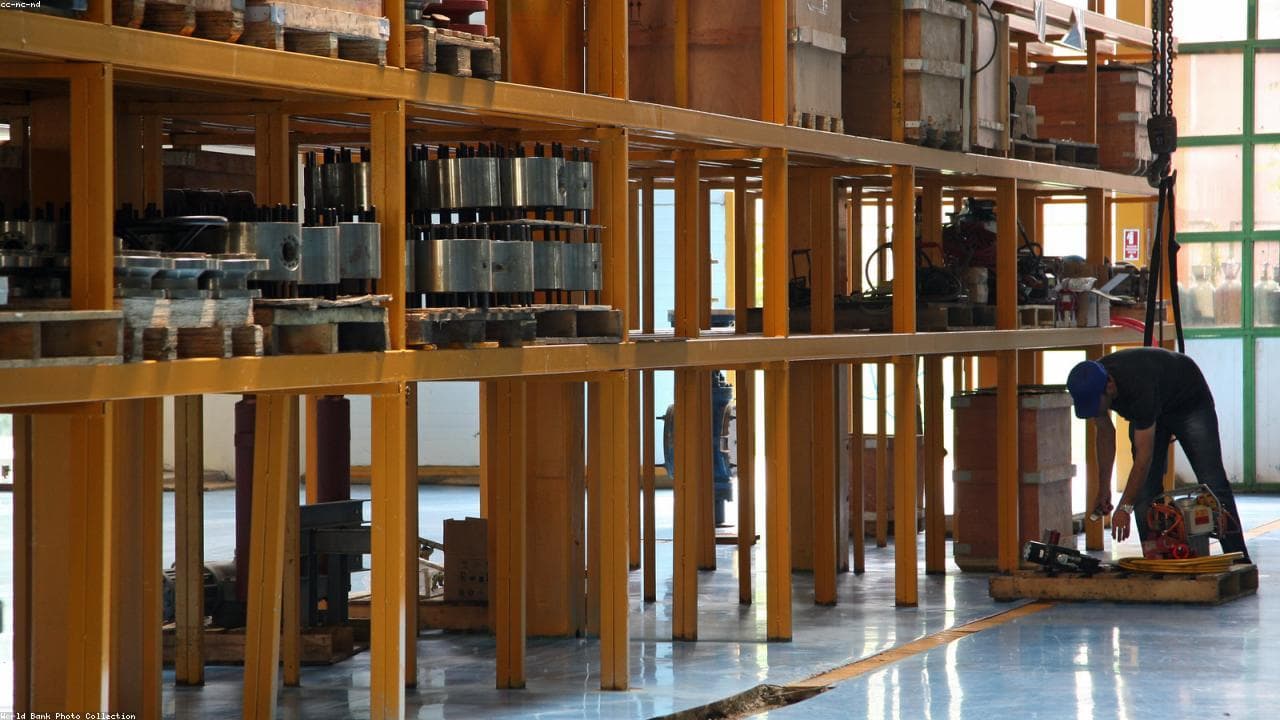
Confined Space Entry drills for cement in Pune.
Book a walkthrough or start a focused pilot on your site.