

Work at Height VR training for construction in Delhi NCR.
Delhi NCR, Delhi NCR — auto, electronics and manufacturing belt (Manesar, Faridabad and Noida clusters). Rehearse harness use, anchor selection and fall-arrest procedure on virtual scaffolds and structures with real consequences, none of the risk.
Work at Height VR training for construction in Delhi NCR
DrillXR Work at Height lets a trainee rehearse fall protection on virtual scaffolds and structures where the consequences are real but the risk is not. The simulation reproduces the hazards that drive height fatalities: falls from height, anchor points chosen or rated incorrectly, scaffold and ladder failure, and dropped objects that endanger anyone below. Inside the headset the worker inspects their PPE and harness, selects and rates a suitable anchor, connects and maintains one-hundred-percent tie-off as they move, works only within the safe envelope their lanyard allows, and finally descends and inspects their equipment. Because the learner physically reaches, clips and repositions, they build the discipline of staying attached rather than simply being told to.
Falls from height remain one of the leading causes of death on Indian work sites, and the legal framework reflects that. The Factories Act 1948 sets duties for safe work at height inside factory premises, BIS IS 3521 governs fall-arrest equipment, and the Building and Other Construction Workers Act extends protection across construction sites where so much height work happens. The most dangerous moment is the transition, the instant a worker unclips to move and is momentarily unprotected, and that is precisely the behaviour a poster cannot train out. DrillXR makes the unclipped fall happen in the headset, repeatedly and safely, so the habit of continuous attachment is built before a worker is ever exposed on a real structure.
Work at Height training for Delhi NCR’s industrial base
Delhi NCR is North India's largest manufacturing engine, built around three powerful sub-clusters: Manesar in Haryana, with its automotive OEMs and tier-one supplier base; Faridabad, a long-established heavy-engineering, machinery and auto-component belt; and Noida, with its electronics, appliance and light-manufacturing concentration. Together they form a sprawling, multi-state industrial region where car and two-wheeler assembly, forging and machining, electronics production and large-scale warehousing operate side by side. The workforce is enormous, heavily contract and migrant, and rotates frequently — making consistent safety competence a region-wide challenge rather than a single-plant one.
The scale and churn of NCR's workforce make training consistency the core problem: a Manesar supplier or a Faridabad engineering unit is constantly inducting new, often contract, operators, and a slide-and-signature induction guarantees neither competence nor evidence of it. VR fixes both. A new operator can rehearse a forklift pedestrian near-miss, a press lockout or a line-side evacuation in the headset until the response is reflexive, and the plant captures a score for every attempt regardless of who the worker is or when they started. For OEM-audited suppliers around Manesar and for multi-site operators spread across Haryana, Delhi and Noida, that assessed, repeatable record lets them hold a vast and mobile workforce to one measurable safety standard — and prove it to whichever state regulator and customer comes calling.
Inside a work at height drill
A session places the trainee at the base of a scaffold with a task to perform at elevation. They begin by inspecting their harness and lanyard, checking webbing, stitching and connectors; a damaged item flagged correctly earns credit, missed it costs. They select an anchor and must reject an unrated convenient point in favour of a certified one. Ascending, the worker connects and is required to maintain one-hundred-percent tie-off, using a twin lanyard to stay attached through each transition; unclip to move faster and a fall is triggered and scored. At height they work within the safe envelope, neither over-reaching nor leaving slack that would worsen a fall. They also secure tools against dropping. The run closes with a controlled descent and a post-use equipment inspection.
Construction risk in focus
Construction fatalities are overwhelmingly concentrated in a handful of mechanisms. Falls from height — off scaffolds, edges, ladders and fragile roofs — are the single largest killer, usually traced to missing or misused fall-arrest equipment and wrong anchor selection. Lifting operations cause struck-by and crushing injuries when loads, exclusion zones and signalling are mismanaged. Excavation collapse buries workers in unsupported or wrongly battered trenches. Site-traffic incidents arise where plant, delivery vehicles and people share congested ground. These are split-second, physical failures that no written test can certify a worker against.
Go deeper on the Work at Height module, VR training for construction, or all training in Delhi NCR.
The hazards drilled
- falls from height
- incorrect anchor points
- scaffold/ladder failure
- dropped objects
Construction risks in Delhi NCR
- falls from height
- lifting operations
- excavation collapse
- site-traffic
The scored procedure
- 01Inspect PPE & harness
- 02Select and rate the anchor
- 03Connect and maintain 100% tie-off
- 04Work within the safe envelope
- 05Descend and inspect
Compliance mapping
Related drills for construction
Explore the Work at Height module, VR training for construction, or all training in Delhi NCR.
Work at Height VR training in Delhi NCR — FAQs
Why run work at height VR training for construction in Delhi NCR?
Delhi NCR is auto, electronics and manufacturing belt (Manesar, Faridabad and Noida clusters). Construction teams there face falls from height, lifting operations, excavation collapse. DrillXR lets crews rehearse work at height safely and repeatably, with scored, audit-ready evidence.
What does the Work at Height simulation cover?
Rehearse harness use, anchor selection and fall-arrest procedure on virtual scaffolds and structures with real consequences, none of the risk. It reproduces falls from height, incorrect anchor points, scaffold/ladder failure.
Which regulations apply?
Factories Act 1948 (work at height); BIS IS 3521 (fall-arrest); BOCW Act (construction); BOCW Act 1996; Factories Act (off-site works); BIS IS 3764.
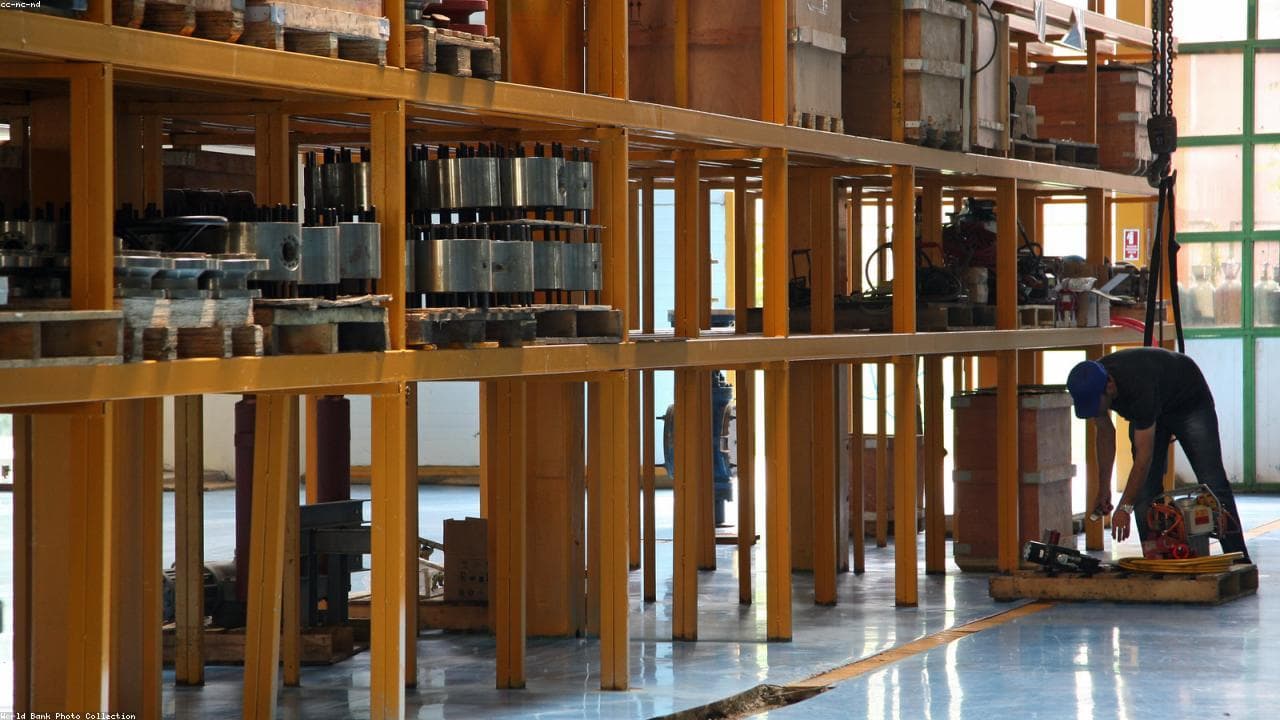
Work at Height drills for construction in Delhi NCR.
Book a walkthrough or start a focused pilot on your site.