
Process Safety Management VR training for chemicals in Jamshedpur.
Jamshedpur, Jharkhand — steel and heavy-industry city (the steel and heavy-engineering belt). Drill the operating-discipline core of PSM — safe operating limits, management of change, permits and abnormal-condition response — in a virtual process unit.
Process Safety Management VR training for chemicals in Jamshedpur
DrillXR Process Safety Management trains the operating discipline at the heart of PSM: keeping a process inside its safe limits, controlling change, and responding correctly when conditions go abnormal. The simulation reproduces the failures that cause major process incidents: operating outside the safe operating limits, an uncontrolled change to plant or process, a loss of containment that can escalate to a runaway condition, and the permit and procedure shortcuts that creep in under production pressure. Inside the headset the operator confirms the safe operating limits and conditions, verifies that procedures and permits are in place, monitors for abnormal or upset conditions, applies management of change before acting on any modification, and responds, isolates and escalates safely when an upset develops. Because process incidents grow from small deviations that were normalised, the headset trains the worker to treat limits, change control and abnormal conditions as decisions rather than formalities.
Process-safety events are low in frequency but catastrophic in consequence, and India's framework holds major-hazard operators to a high bar. The Factories Act 1948 places specific duties on major-accident-hazard units, including a statutory on-site emergency plan, the Manufacture, Storage and Import of Hazardous Chemicals (MSIHC) Rules 1989 govern the storage and handling of hazardous chemicals and the management of major-accident hazards, and OISD standards shape process-safety practice across the petroleum and gas sector. The classic incident is not a single dramatic error but an accumulation: a limit quietly exceeded, a change made without assessment, an alarm normalised until it is ignored. DrillXR lets operators rehearse confirming limits, applying management of change, and reacting to an upset in the headset, so process-safety discipline holds when the real unit drifts toward an edge.
Process Safety Management training for Jamshedpur’s industrial base
Jamshedpur is India's original steel city, a planned industrial town in Jharkhand built around integrated steelmaking and the heavy-engineering belt that grew up alongside it. Its economy is dominated by large-scale primary steel production, alloy and tube making, and a deep base of heavy fabrication, automotive and capital-goods engineering that supplies and surrounds the steel works. This is the heaviest end of Indian manufacturing: blast furnaces, molten-metal handling, rolling mills, overhead cranes and the kind of high-energy, high-temperature processes where the consequences of a single error are severe and immediate.
In a steel plant the hazards are not abstractions — molten metal, crane loads overhead, hot rolling lines and gas around furnaces leave almost no room for an untrained reaction. Yet you cannot practise a hot-metal emergency or a confined-vessel entry on the live asset, and classroom briefings do not build the instinct a mill or crane environment demands. VR is built for exactly this gap. DrillXR lets a worker rehearse machine isolation and lock-and-verify on a rolling line, confined-space entry into a vessel, and fire and evacuation around hot processes — repeatedly, with a score on every attempt. For Jamshedpur's integrated works and the heavy-fabrication units around them, that assessed, reproducible record holds a large, shift-based workforce to a single high safety standard and provides clear evidence for Factories Act compliance.
Inside a process safety management drill
The session places the operator at a virtual process unit running within normal parameters. They begin by confirming the safe operating limits and current conditions, establishing what normal looks like and where the boundaries lie. They verify that the procedures and permits for the planned activity are in place, and proceeding on a shortcut without the required permit is logged. As the scenario develops, an abnormal condition emerges, a rising pressure, a temperature excursion, or a level deviation, and the operator must monitor and recognise it as an upset rather than normalising it. When a change to the process is called for, they must apply management of change, assessing the modification before acting rather than adjusting on the fly. As the upset progresses, the operator responds by isolating the affected section and escalating per the emergency plan; delaying the response or pushing past a limit lets the simulation demonstrate the loss of containment that follows.
Chemicals risk in focus
Chemical-sector failure modes are process-safety driven and high-consequence. Toxic release — loss of containment of a hazardous substance — threatens workers on site and populations beyond the fence line, and demands instant correct PPE, containment and reporting. Runaway reactions, where exothermic processes exceed control, can rupture vessels and trigger fire or explosion. Confined-space entry into reactors, vessels and sumps combines toxic-atmosphere, residual-chemical and entrapment hazards. Fire and explosion from flammable inventories complete the profile. Each of these escalates in seconds and turns entirely on whether trained crews execute the right procedure under acute stress.
Go deeper on the Process Safety Management module, VR training for chemicals, or all training in Jamshedpur.
The hazards drilled
- operating outside safe limits
- uncontrolled change to plant or process
- loss of containment & runaway conditions
- permit and procedure shortcuts under pressure
Chemicals risks in Jamshedpur
- toxic release
- runaway reactions
- confined space
- fire/explosion
The scored procedure
- 01Confirm safe operating limits and conditions
- 02Verify procedures and permits in place
- 03Monitor for abnormal or upset conditions
- 04Apply management of change before acting
- 05Respond, isolate and escalate safely
Compliance mapping
Related drills for chemicals
Explore the Process Safety Management module, VR training for chemicals, or all training in Jamshedpur.
Process Safety Management VR training in Jamshedpur — FAQs
Why run process safety management VR training for chemicals in Jamshedpur?
Jamshedpur is steel and heavy-industry city (the steel and heavy-engineering belt). Chemicals teams there face toxic release, runaway reactions, confined space. DrillXR lets crews rehearse process safety management safely and repeatably, with scored, audit-ready evidence.
What does the Process Safety Management simulation cover?
Drill the operating-discipline core of PSM — safe operating limits, management of change, permits and abnormal-condition response — in a virtual process unit. It reproduces operating outside safe limits, uncontrolled change to plant or process, loss of containment & runaway conditions.
Which regulations apply?
Factories Act 1948 (MAH units & on-site emergency plan); Manufacture, Storage & Import of Hazardous Chemicals (MSIHC) Rules 1989; OISD standards (process-safety practice); MSIHC Rules; Factories Act 1948 (MAH units); PESO.
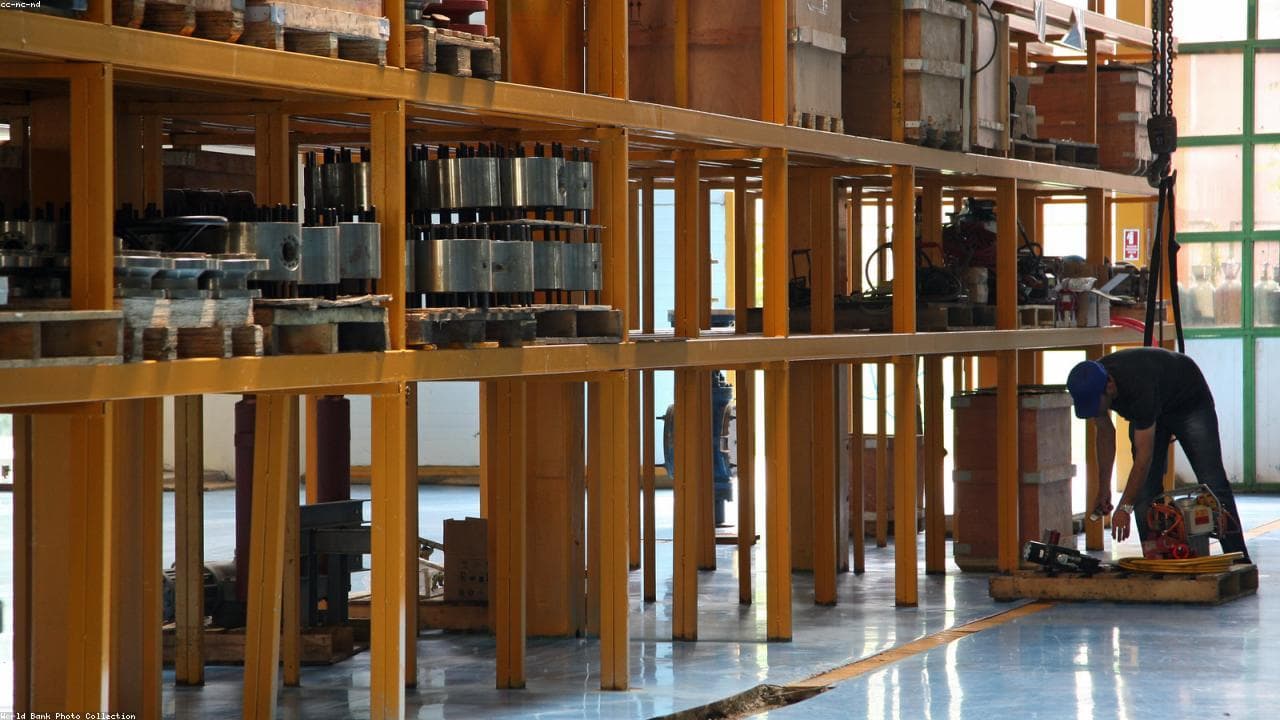
Process Safety Management drills for chemicals in Jamshedpur.
Book a walkthrough or start a focused pilot on your site.