
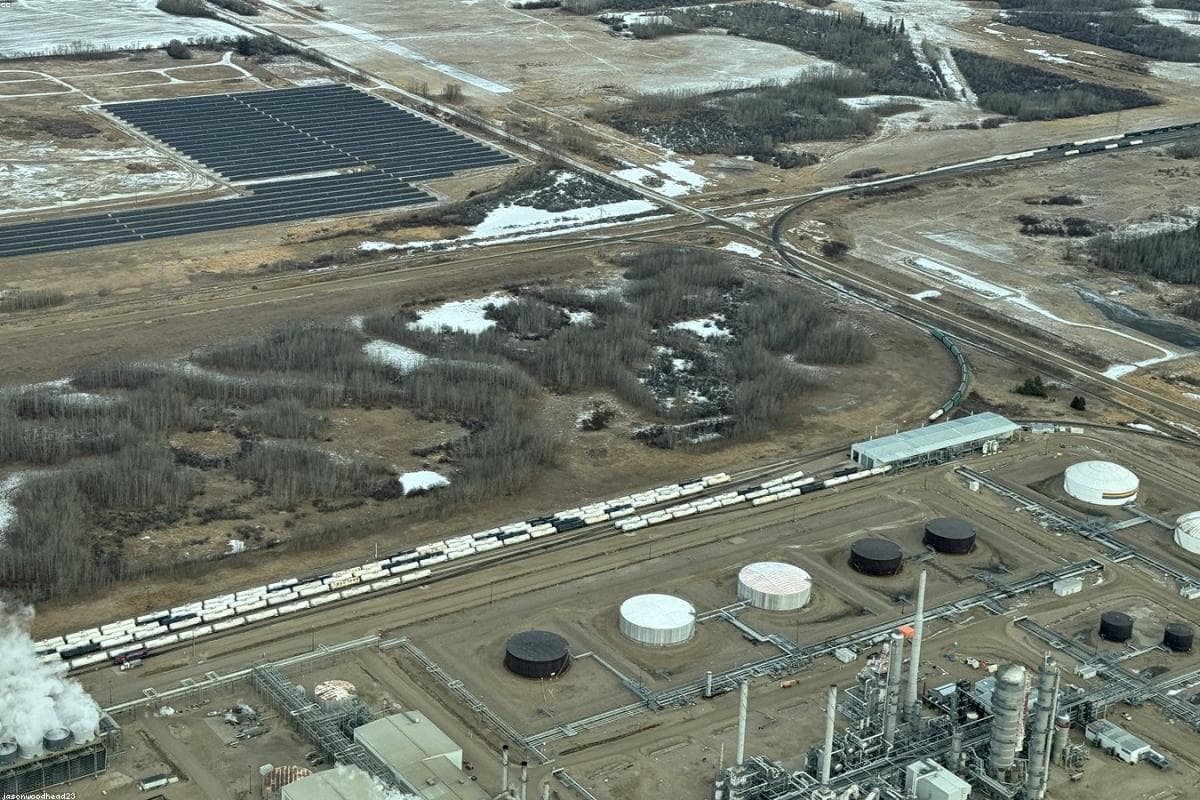
Process Safety Management VR training.
Drill the operating-discipline core of PSM — safe operating limits, management of change, permits and abnormal-condition response — in a virtual process unit.
Process Safety Management VR training
DrillXR Process Safety Management trains the operating discipline at the heart of PSM: keeping a process inside its safe limits, controlling change, and responding correctly when conditions go abnormal. The simulation reproduces the failures that cause major process incidents: operating outside the safe operating limits, an uncontrolled change to plant or process, a loss of containment that can escalate to a runaway condition, and the permit and procedure shortcuts that creep in under production pressure. Inside the headset the operator confirms the safe operating limits and conditions, verifies that procedures and permits are in place, monitors for abnormal or upset conditions, applies management of change before acting on any modification, and responds, isolates and escalates safely when an upset develops. Because process incidents grow from small deviations that were normalised, the headset trains the worker to treat limits, change control and abnormal conditions as decisions rather than formalities.
Process-safety events are low in frequency but catastrophic in consequence, and India's framework holds major-hazard operators to a high bar. The Factories Act 1948 places specific duties on major-accident-hazard units, including a statutory on-site emergency plan, the Manufacture, Storage and Import of Hazardous Chemicals (MSIHC) Rules 1989 govern the storage and handling of hazardous chemicals and the management of major-accident hazards, and OISD standards shape process-safety practice across the petroleum and gas sector. The classic incident is not a single dramatic error but an accumulation: a limit quietly exceeded, a change made without assessment, an alarm normalised until it is ignored. DrillXR lets operators rehearse confirming limits, applying management of change, and reacting to an upset in the headset, so process-safety discipline holds when the real unit drifts toward an edge.
Why train process safety management in VR
Process safety fails through normalised deviation, the slow acceptance of operating outside limits, and that erosion is exactly what classroom theory and an annual procedure review cannot arrest. VR makes the limits, the change and the upset concrete and consequential: the operator can push past a safe operating limit, make a change without assessment, or ignore an alarm, and watch the loss of containment or runaway condition develop in simulation, an outcome that can never be demonstrated on a live unit. Confirming limits, applying management of change, and choosing to isolate and escalate become decisions with visible results rather than boxes on a permit. Allowing a real process upset to teach the lesson is unthinkable; DrillXR reproduces the deviation, the escalation and the correct response faithfully, so the discipline of respecting limits and controlling change is rehearsed before a real unit ever tests it.
Inside a process safety management session
The session places the operator at a virtual process unit running within normal parameters. They begin by confirming the safe operating limits and current conditions, establishing what normal looks like and where the boundaries lie. They verify that the procedures and permits for the planned activity are in place, and proceeding on a shortcut without the required permit is logged. As the scenario develops, an abnormal condition emerges, a rising pressure, a temperature excursion, or a level deviation, and the operator must monitor and recognise it as an upset rather than normalising it. When a change to the process is called for, they must apply management of change, assessing the modification before acting rather than adjusting on the fly. As the upset progresses, the operator responds by isolating the affected section and escalating per the emergency plan; delaying the response or pushing past a limit lets the simulation demonstrate the loss of containment that follows.
Scoring & certification
Each attempt is scored across the procedure: safe operating limits and conditions confirmed, procedures and permits verified, abnormal conditions monitored and recognised, management of change applied before acting, and the upset responded to with safe isolation and escalation. The decisive failures are captured explicitly, operating outside a limit, an uncontrolled change, a normalised alarm, a permit shortcut, or a delayed escalation, so an assessor sees the precise breakdown rather than a bare result. Per-step weighting produces an overall competency outcome and a passing run issues a dated certificate against the operator's record. Results stream over xAPI and SCORM to the LMS and the DrillXR compliance dashboard, where a process-safety manager can confirm operators have demonstrated operating-discipline competence and can evidence that training as part of a major-accident-hazard unit's obligations.
Deployment on your site
Process Safety Management runs on Meta Quest, Pico and PC-VR and launches in kiosk mode, so a headset in the control-room training area boots straight into the module for the next operator with no menus to navigate. The scenario is configurable to the unit: the specific safe operating limits, the process and its upset modes, the permit and management-of-change procedures, the alarm and escalation structure and the site on-site emergency plan can be mirrored so training matches the real process operators run. A fleet of headsets is managed from one console with completion data feeding the central dashboard. For oil and gas, chemicals and pharma operators of major-hazard units, this delivers consistent process-safety discipline across shifts and sites and proves, per operator, that respecting limits and controlling change are being trained and assessed.
Explore all VR safety training, see how it adapts to your industry, or read whether VR is effective for safety training.
Hazards it reproduces
- operating outside safe limits
- uncontrolled change to plant or process
- loss of containment & runaway conditions
- permit and procedure shortcuts under pressure
The scored procedure
- 01Confirm safe operating limits and conditions
- 02Verify procedures and permits in place
- 03Monitor for abnormal or upset conditions
- 04Apply management of change before acting
- 05Respond, isolate and escalate safely
Compliance mapping
Process Safety Management FAQs
What does the Process Safety Management VR module cover?
Drill the operating-discipline core of PSM — safe operating limits, management of change, permits and abnormal-condition response — in a virtual process unit.
Which hazards does it simulate?
operating outside safe limits; uncontrolled change to plant or process; loss of containment & runaway conditions; permit and procedure shortcuts under pressure.
Is the process safety management training assessed?
Yes. Every step is scored and timed, with pass thresholds that trigger certificates and feed the compliance dashboard.
Which standards does it map to?
Factories Act 1948 (MAH units & on-site emergency plan); Manufacture, Storage & Import of Hazardous Chemicals (MSIHC) Rules 1989; OISD standards (process-safety practice).

See Process Safety Management scored live.
Book a walkthrough tuned to your equipment and site.