

Lockout / Tagout (LOTO) VR training for chemicals in Chennai.
Chennai, Tamil Nadu — automotive and heavy-engineering hub (Sriperumbudur–Oragadam auto cluster). Drill the full energy-isolation sequence, verification and authorised restart on virtual machinery and switchgear.
Lockout / Tagout (LOTO) VR training for chemicals in Chennai
DrillXR Lockout / Tagout drills the full energy-isolation sequence on virtual machinery and switchgear, where a missed step teaches a lesson instead of taking a hand. The simulation reproduces the hazards that LOTO exists to prevent: unexpected machine start-up, the release of stored or residual energy, isolation that was started but never completed, and an unauthorised restart while someone is still inside the danger zone. The trainee works the procedure end to end: notifying affected staff, shutting down and isolating every energy source, applying their personal locks and tags, verifying a true zero-energy state by attempting to start the equipment, and only then authorising a controlled restart once work is complete and people are clear.
Energy isolation is unforgiving because the failure mode is sudden and severe. The Factories Act 1948 sets duties around the safe operation and maintenance of machinery, BIS IS 15652 informs isolation practice, and every serious site backs these with its own LOTO standard operating procedure. The classic incident is not ignorance of the rules but a shortcut under production pressure, isolating the main supply while forgetting a pneumatic accumulator, or assuming a colleague verified zero energy. DrillXR lets maintenance and operations staff rehearse the discipline of isolate, lock, tag and verify until it is automatic, and lets them experience the consequence of skipping verification in a simulation rather than on a live machine.
Lockout / Tagout (LOTO) training for Chennai’s industrial base
Chennai is India's automotive capital, and the Sriperumbudur–Oragadam corridor on the city's western fringe is the beating heart of it. The cluster hosts global car and commercial-vehicle OEMs, two-wheeler plants, a dense tier-one and tier-two supplier ecosystem, and the stamping, welding, painting and assembly operations that feed them. Heavy-engineering and electronics manufacturing round out the base. With several large assembly plants and hundreds of feeder units operating on tightly synchronised just-in-time schedules, the corridor runs continuous high-tempo production where a safety stoppage at one supplier can cascade through the whole line.
The economics of Chennai's auto corridor make undertrained operators expensive and dangerous in equal measure: a machine-interaction injury or a press incident stops a line that an OEM is counting on for just-in-time delivery. Classroom safety briefings cannot reliably build the muscle memory a press operator or a robotic-cell technician needs, and they leave no objective evidence of competence. VR does both. In the headset, an operator can confirm safe-stop and lock-and-verify before reaching into a cell, rehearse a weld-line hazard, and practise a line-side evacuation until the response is reflexive — and every attempt produces a score. For Sriperumbudur and Oragadam suppliers under constant OEM audit, that scored, repeatable record is what turns a training claim into demonstrable proof, across permanent and contract workers alike.
Inside a lockout / tagout (loto) drill
The trainee is assigned a maintenance task on a virtual machine with multiple energy sources. They start by notifying affected staff that the equipment is going down, then move to shut down and isolate, working through the electrical supply, a pneumatic line and a stored-energy accumulator rather than stopping at the main switch. They apply their personal lock and tag to each isolation point, building the one-person-one-lock discipline. Crucially they then verify the zero-energy state by attempting to start the machine and confirming no motion or stored release; skip this and the simulation demonstrates the residual energy they failed to bleed. With work notionally complete and the area confirmed clear of people, they remove their locks in order and authorise a controlled restart.
Chemicals risk in focus
Chemical-sector failure modes are process-safety driven and high-consequence. Toxic release — loss of containment of a hazardous substance — threatens workers on site and populations beyond the fence line, and demands instant correct PPE, containment and reporting. Runaway reactions, where exothermic processes exceed control, can rupture vessels and trigger fire or explosion. Confined-space entry into reactors, vessels and sumps combines toxic-atmosphere, residual-chemical and entrapment hazards. Fire and explosion from flammable inventories complete the profile. Each of these escalates in seconds and turns entirely on whether trained crews execute the right procedure under acute stress.
Go deeper on the Lockout / Tagout (LOTO) module, VR training for chemicals, or all training in Chennai.
The hazards drilled
- unexpected machine start-up
- stored / residual energy release
- incomplete isolation
- unauthorised restart
Chemicals risks in Chennai
- toxic release
- runaway reactions
- confined space
- fire/explosion
The scored procedure
- 01Notify affected staff
- 02Shut down and isolate energy sources
- 03Apply locks and tags
- 04Verify zero-energy state
- 05Authorise controlled restart
Compliance mapping
Related drills for chemicals
Explore the Lockout / Tagout (LOTO) module, VR training for chemicals, or all training in Chennai.
Lockout / Tagout (LOTO) VR training in Chennai — FAQs
Why run lockout / tagout (loto) VR training for chemicals in Chennai?
Chennai is automotive and heavy-engineering hub (Sriperumbudur–Oragadam auto cluster). Chemicals teams there face toxic release, runaway reactions, confined space. DrillXR lets crews rehearse lockout / tagout (loto) safely and repeatably, with scored, audit-ready evidence.
What does the Lockout / Tagout (LOTO) simulation cover?
Drill the full energy-isolation sequence, verification and authorised restart on virtual machinery and switchgear. It reproduces unexpected machine start-up, stored / residual energy release, incomplete isolation.
Which regulations apply?
Factories Act 1948 (machinery safety); BIS IS 15652; site LOTO standard operating procedure; MSIHC Rules; Factories Act 1948 (MAH units); PESO.
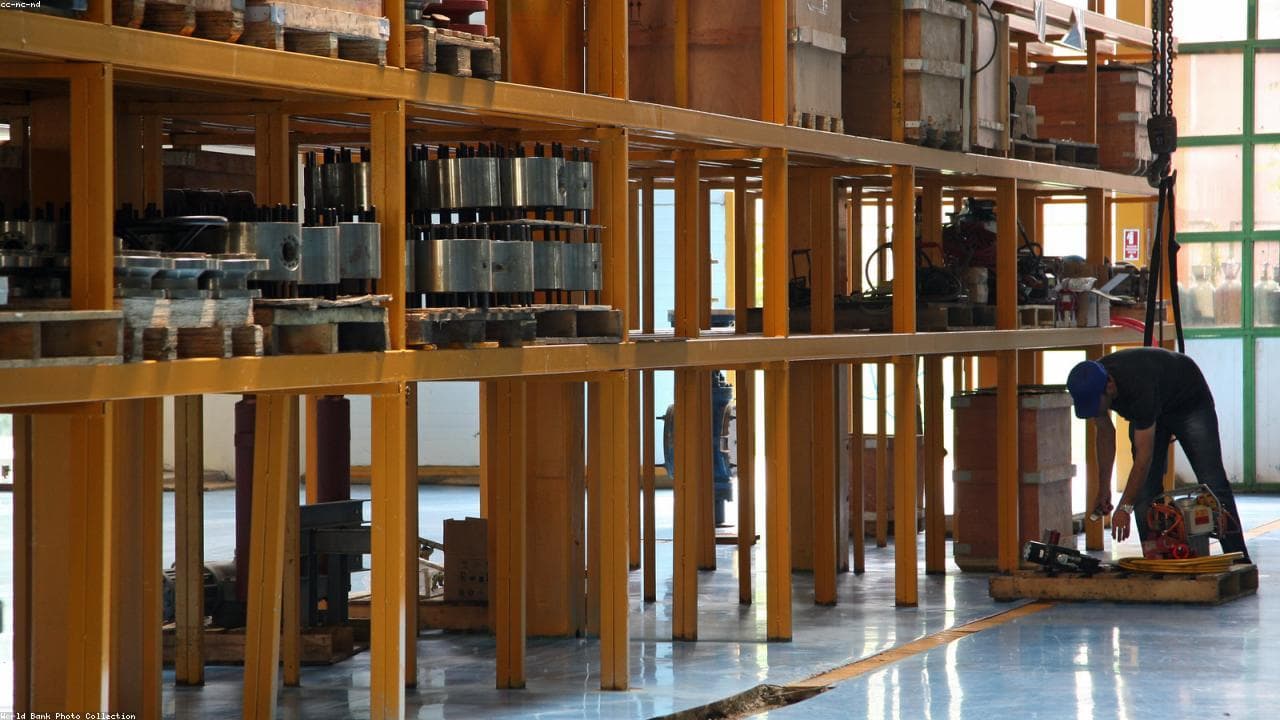
Lockout / Tagout (LOTO) drills for chemicals in Chennai.
Book a walkthrough or start a focused pilot on your site.