
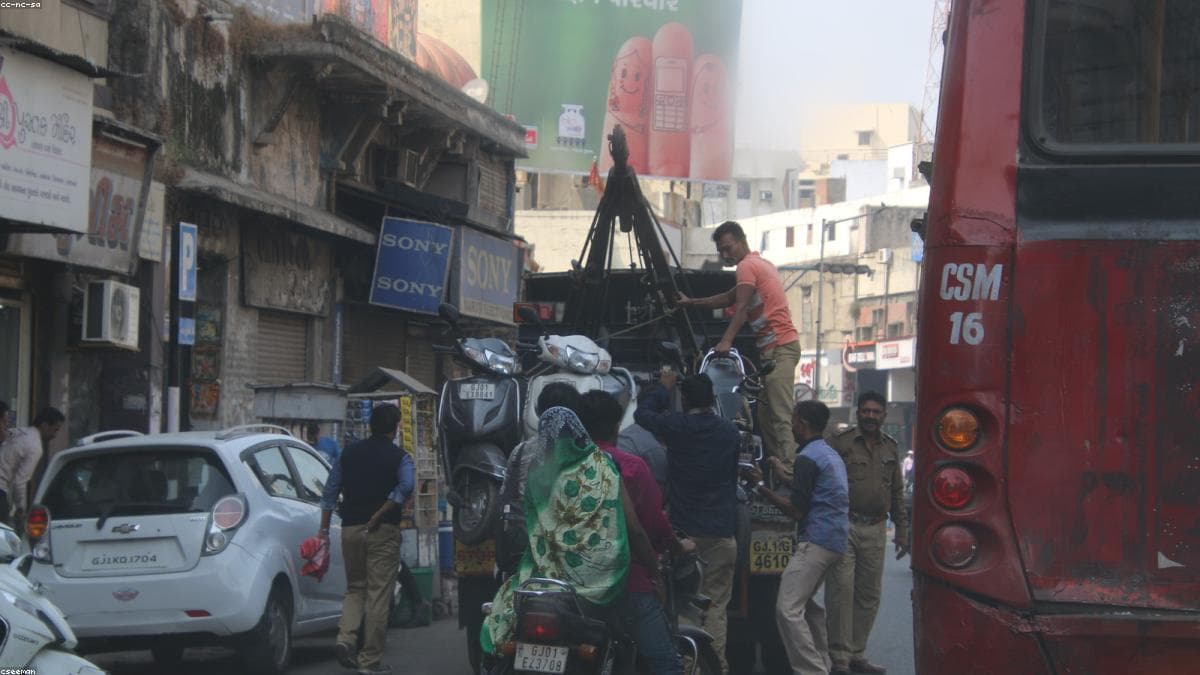
Industrial Radiography & Radiation Safety VR training for oil & gas in Ahmedabad.
Ahmedabad, Gujarat — chemicals, pharma and textiles hub (Vatva, Naroda and Sanand industrial estates). Drill source handling, cordon control and emergency response for gamma and X-ray radiography so exposure discipline is built before anyone enters a hot bay.
Industrial Radiography & Radiation Safety VR training for oil & gas in Ahmedabad
DrillXR Industrial Radiography and Radiation Safety puts a radiographer through the source handling, cordon control and emergency response of gamma and X-ray non-destructive testing, where an invisible hazard can deliver a serious dose in seconds. The simulation reproduces the failures that cause radiography overexposures: working in or near an unshielded beam, a gamma source that sticks or detaches in the exposed position rather than returning to its shielded container, a controlled area whose cordon is inadequate or breached by an untrained person, and loss of control or accountability of the radioactive source itself. Inside the headset the trainee verifies the work permit, the source and the survey-meter calibration, establishes and barriers the controlled area out to the dose-rate boundary, conducts the exposure from a safe position while monitoring dose, confirms the source has fully returned and surveys the area, and responds correctly to a stuck source or an alarm while always accounting for the source. The discipline is survey-first, never assume the source is safe.
Radiography is among the most tightly controlled activities in Indian industry because the source is lethal and invisible. The Atomic Energy (Radiation Protection) Rules 2004, made under the Atomic Energy Act 1962, govern the safe use of radiation sources, the Atomic Energy Regulatory Board sets the regulatory requirements and licensing for industrial radiography and the role of the Radiological Safety Officer, and every operator runs a radiation protection programme with an RPO-supervised standard operating procedure. The classic incident is not ignorance of the rules but a shortcut under schedule pressure: an unverified survey-meter, a source assumed returned that was actually stuck, or a cordon that someone walked through. A classroom cannot let a radiographer experience a stuck-source emergency; DrillXR lets the trainee work the survey, the cordon and the stuck-source response on a virtual site where the only cost of a mistake is a lower score.
Industrial Radiography & Radiation Safety training for Ahmedabad’s industrial base
Ahmedabad anchors Gujarat's diversified industrial economy, with chemicals, pharmaceuticals and textiles spread across the Vatva, Naroda and Sanand industrial estates. Vatva and Naroda are among India's oldest and densest chemical and dyestuff clusters, packed with small and mid-sized processing units, effluent-intensive operations and bulk storage. Sanand, to the city's west, has become a modern automotive and engineering hub anchored by large OEM plants and their supplier base. The result is a city where reactive-chemistry processing, textile and dye manufacturing and high-volume auto assembly all coexist, each carrying its own distinct hazard profile.
Ahmedabad's industrial mix concentrates exactly the hazards that punish undertrained workers hardest: a toxic release in a packed Vatva chemical unit, a confined-space entry into a process vessel, or a machine-handling incident on a Sanand assembly line. None of these can be rehearsed realistically on the real asset without putting people in harm's way, and classroom training leaves no objective trace of who can actually perform under pressure. VR delivers both the rehearsal and the evidence. A worker can practise substance identification, PPE selection, containment and decontamination for a spill, or atmospheric testing and permit-to-work for a vessel entry — repeatedly, with a score each time. For chemical units under MSIHC and Factories Act scrutiny, and Sanand auto suppliers under OEM audit, that assessed record is concrete, reproducible proof of competence.
Inside a industrial radiography & radiation safety drill
The session opens at a virtual radiography site with an exposure to make. The trainee first verifies the work permit, checks the source and confirms the survey meter is calibrated and responding, rather than assuming the equipment is good. They establish and barrier the controlled area out to the dose-rate boundary, accounting for all personnel before anything is exposed; a cordon set too tight or a person left inside it costs against the score. They conduct the exposure from a safe position and monitor dose throughout. The decisive sequence comes at the end: the trainee must confirm the source has fully returned to its shielded position and survey the area to prove it, rather than approaching on assumption. The scenario introduces a stuck source and an alarm, and the trainee must respond correctly, retreat, raise the emergency, and account for the source, rather than walking toward it. Approaching an unconfirmed source or breaching the cordon registers as the overexposure it would be.
Oil & Gas risk in focus
Oil and gas failure modes are process-driven and unforgiving. Process-safety events — loss of containment, runaway pressure or temperature, ignition of a release — are the headline catastrophic risk. H2S exposure can incapacitate or kill within seconds and demands instant, correct PPE and rescue behaviour. Hot-work ignition occurs when a permit fails to account for residual hydrocarbons or inadequate gas testing near welding and cutting. Confined-space entry into tanks, vessels and sumps combines toxic-atmosphere, engulfment and entrapment hazards with the recurring tragedy of untrained rescuers becoming the next casualties. Every one of these turns on procedure discipline under stress.
Go deeper on the Industrial Radiography & Radiation Safety module, VR training for oil & gas, or all training in Ahmedabad.
The hazards drilled
- unshielded exposure to ionising radiation
- a source stuck or detached in the exposure position
- an inadequate or breached cordon
- loss of control or accountability of the radioactive source
Oil & Gas risks in Ahmedabad
- process-safety events
- H2S exposure
- hot-work ignition
- confined-space entry
The scored procedure
- 01Verify the work permit, source and survey-meter calibration
- 02Establish and barrier the controlled area to the dose-rate boundary
- 03Conduct the exposure from a safe position and monitor dose
- 04Confirm the source has fully returned and survey the area
- 05Respond to a stuck source or alarm and account for the source
Compliance mapping
Related drills for oil & gas
Explore the Industrial Radiography & Radiation Safety module, VR training for oil & gas, or all training in Ahmedabad.
Industrial Radiography & Radiation Safety VR training in Ahmedabad — FAQs
Why run industrial radiography & radiation safety VR training for oil & gas in Ahmedabad?
Ahmedabad is chemicals, pharma and textiles hub (Vatva, Naroda and Sanand industrial estates). Oil & Gas teams there face process-safety events, H2S exposure, hot-work ignition. DrillXR lets crews rehearse industrial radiography & radiation safety safely and repeatably, with scored, audit-ready evidence.
What does the Industrial Radiography & Radiation Safety simulation cover?
Drill source handling, cordon control and emergency response for gamma and X-ray radiography so exposure discipline is built before anyone enters a hot bay. It reproduces unshielded exposure to ionising radiation, a source stuck or detached in the exposure position, an inadequate or breached cordon.
Which regulations apply?
Atomic Energy (Radiation Protection) Rules 2004 under the Atomic Energy Act 1962; AERB regulatory requirements and licensing for industrial radiography; site radiation protection programme and RPO-supervised standard operating procedure; OISD standards; PESO (explosives/pressure); Factories Act 1948.
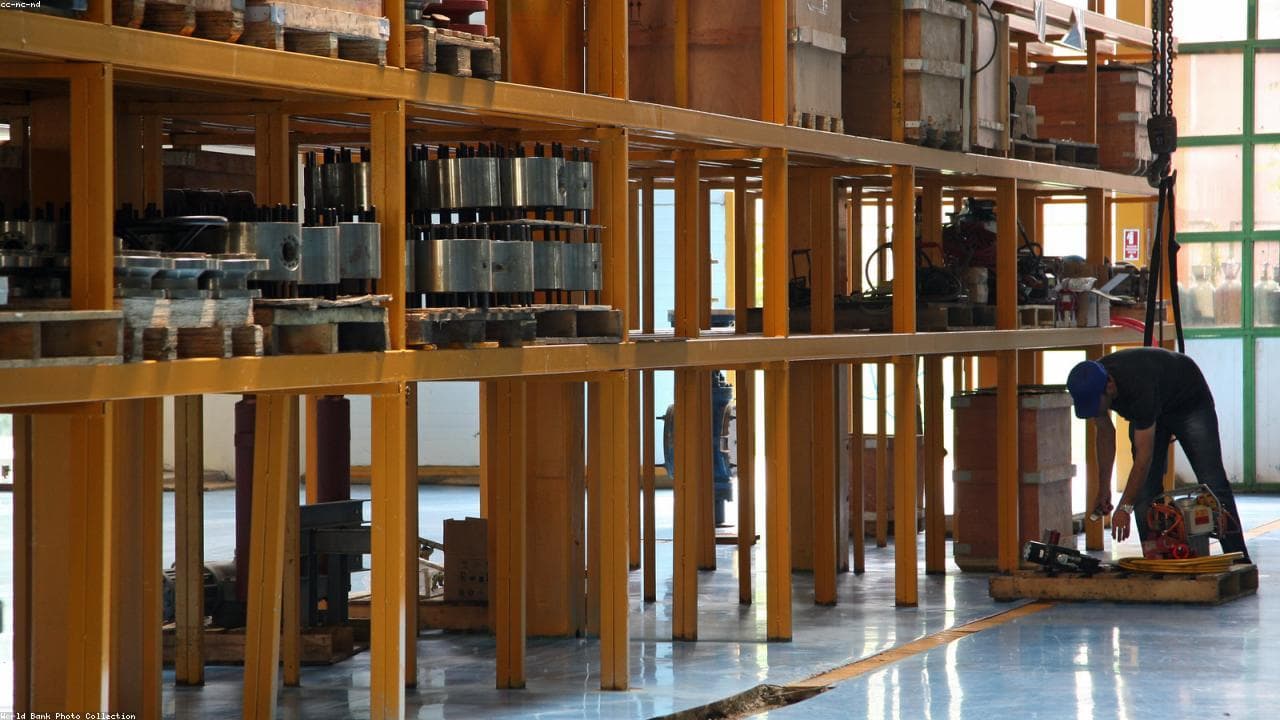
Industrial Radiography & Radiation Safety drills for oil & gas in Ahmedabad.
Book a walkthrough or start a focused pilot on your site.