
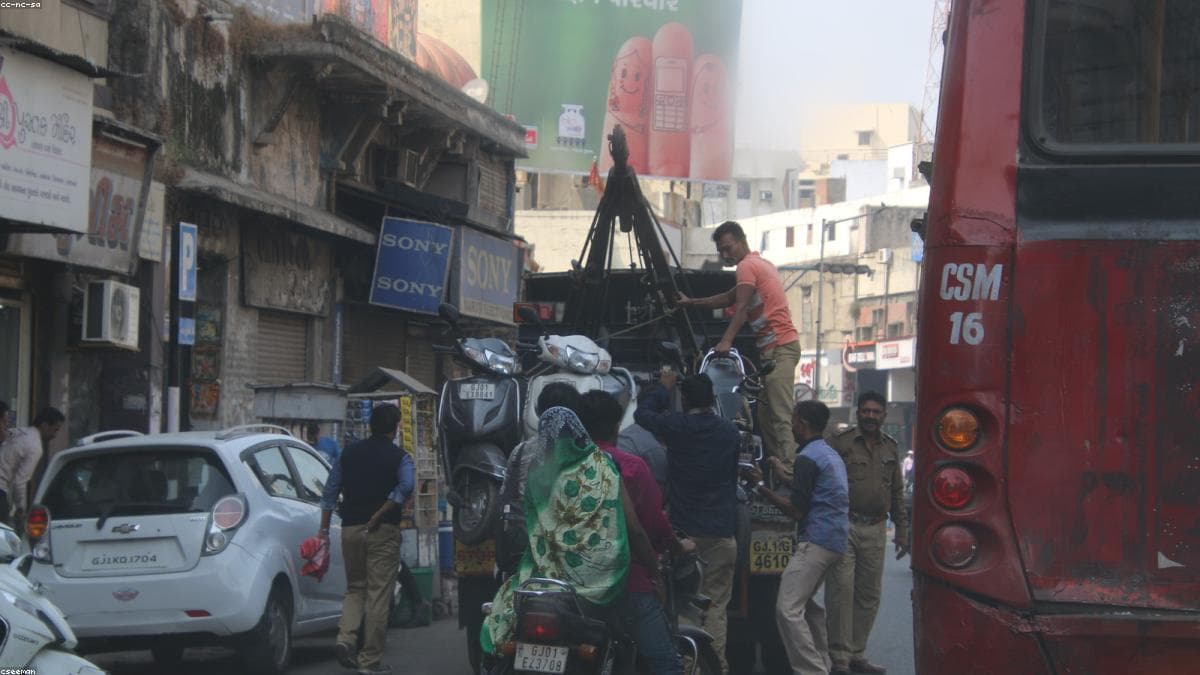
Fire & Evacuation VR training for oil & gas in Ahmedabad.
Ahmedabad, Gujarat — chemicals, pharma and textiles hub (Vatva, Naroda and Sanand industrial estates). Practise extinguisher selection, fire-spread behaviour and coordinated evacuation in a true-to-life plant fire, without lighting one.
Fire & Evacuation VR training for oil & gas in Ahmedabad
DrillXR Fire and Evacuation puts a trainee inside a true-to-life plant fire so they can act, not just watch. The simulation reproduces Class A, B and C ignition and spread, the smoke that strips away visibility, the egress routes that get blocked when a fire takes hold, and the panic and crowd flow that turn an orderly evacuation into a crush. Inside the headset the learner raises the alarm, sizes up the fire, selects the correct extinguisher for the fuel involved, applies the P.A.S.S. technique under time pressure, moves to the designated safe route and accounts for personnel at the assembly point. Every one of those decisions carries a consequence the trainee can see and feel.
The stakes are heavy and statutory. The Factories Act 1948 obliges occupiers to provide adequate means of escape and fire-fighting provision, the National Building Code of India Part 4 sets the fire and life-safety framework for the premises themselves, and BIS IS 2190 governs which extinguisher belongs against which class of fire. Classroom slides and a once-a-year wet drill rarely build the muscle memory that decides whether someone reaches for water on an electrical fire or freezes when the corridor fills with smoke. DrillXR lets a workforce rehearse the full chain of response, repeatedly and assessably, without ever lighting a fire on site.
Fire & Evacuation training for Ahmedabad’s industrial base
Ahmedabad anchors Gujarat's diversified industrial economy, with chemicals, pharmaceuticals and textiles spread across the Vatva, Naroda and Sanand industrial estates. Vatva and Naroda are among India's oldest and densest chemical and dyestuff clusters, packed with small and mid-sized processing units, effluent-intensive operations and bulk storage. Sanand, to the city's west, has become a modern automotive and engineering hub anchored by large OEM plants and their supplier base. The result is a city where reactive-chemistry processing, textile and dye manufacturing and high-volume auto assembly all coexist, each carrying its own distinct hazard profile.
Ahmedabad's industrial mix concentrates exactly the hazards that punish undertrained workers hardest: a toxic release in a packed Vatva chemical unit, a confined-space entry into a process vessel, or a machine-handling incident on a Sanand assembly line. None of these can be rehearsed realistically on the real asset without putting people in harm's way, and classroom training leaves no objective trace of who can actually perform under pressure. VR delivers both the rehearsal and the evidence. A worker can practise substance identification, PPE selection, containment and decontamination for a spill, or atmospheric testing and permit-to-work for a vessel entry — repeatedly, with a score each time. For chemical units under MSIHC and Factories Act scrutiny, and Sanand auto suppliers under OEM audit, that assessed record is concrete, reproducible proof of competence.
Inside a fire & evacuation drill
A session opens on the shop floor as a fault sparks a small Class B fuel fire near a process line. The trainee first raises the alarm at the nearest call point, establishing that life safety and notification come before any attempt to fight the fire. They then assess size and fuel type and select an extinguisher from the station; choose a water unit on the flammable liquid and the fire spreads. With the correct agent in hand they apply P.A.S.S., aiming at the base and sweeping until knockdown. As smoke banks down and one corridor fills, the headset presents a route choice and the learner evacuates by the safe egress to the assembly point, where they complete a head count. Hesitation, a wrong agent or a missed head count all register against the score.
Oil & Gas risk in focus
Oil and gas failure modes are process-driven and unforgiving. Process-safety events — loss of containment, runaway pressure or temperature, ignition of a release — are the headline catastrophic risk. H2S exposure can incapacitate or kill within seconds and demands instant, correct PPE and rescue behaviour. Hot-work ignition occurs when a permit fails to account for residual hydrocarbons or inadequate gas testing near welding and cutting. Confined-space entry into tanks, vessels and sumps combines toxic-atmosphere, engulfment and entrapment hazards with the recurring tragedy of untrained rescuers becoming the next casualties. Every one of these turns on procedure discipline under stress.
Go deeper on the Fire & Evacuation module, VR training for oil & gas, or all training in Ahmedabad.
The hazards drilled
- Class A/B/C fire ignition & spread
- smoke spread and visibility loss
- blocked egress routes
- panic and crowd flow
Oil & Gas risks in Ahmedabad
- process-safety events
- H2S exposure
- hot-work ignition
- confined-space entry
The scored procedure
- 01Raise the alarm
- 02Select the correct extinguisher
- 03Apply P.A.S.S. technique
- 04Evacuate via the safe route
- 05Account for personnel at the assembly point
Compliance mapping
Related drills for oil & gas
Explore the Fire & Evacuation module, VR training for oil & gas, or all training in Ahmedabad.
Fire & Evacuation VR training in Ahmedabad — FAQs
Why run fire & evacuation VR training for oil & gas in Ahmedabad?
Ahmedabad is chemicals, pharma and textiles hub (Vatva, Naroda and Sanand industrial estates). Oil & Gas teams there face process-safety events, H2S exposure, hot-work ignition. DrillXR lets crews rehearse fire & evacuation safely and repeatably, with scored, audit-ready evidence.
What does the Fire & Evacuation simulation cover?
Practise extinguisher selection, fire-spread behaviour and coordinated evacuation in a true-to-life plant fire, without lighting one. It reproduces Class A/B/C fire ignition & spread, smoke spread and visibility loss, blocked egress routes.
Which regulations apply?
Factories Act 1948 (fire safety & means of escape); National Building Code of India (Part 4 Fire & Life Safety); BIS IS 2190 (fire extinguisher selection); OISD standards; PESO (explosives/pressure); Factories Act 1948.
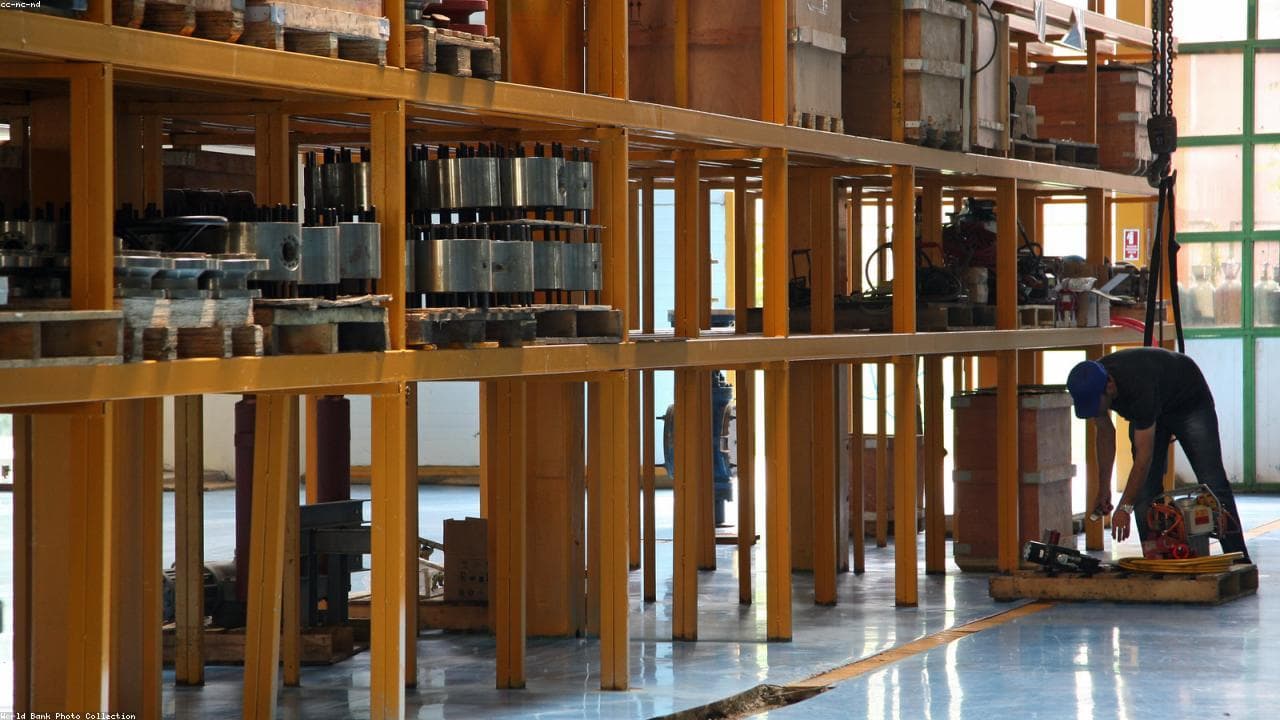
Fire & Evacuation drills for oil & gas in Ahmedabad.
Book a walkthrough or start a focused pilot on your site.