
Hazardous Materials Handling VR training for chemicals in Pune.
Pune, Maharashtra — auto, engineering and manufacturing belt (Chakan–Talegaon and Ranjangaon industrial clusters). Train safe receipt, storage, transfer and segregation of hazardous materials in a virtual store before anyone moves a real drum.
Hazardous Materials Handling VR training for chemicals in Pune
DrillXR Hazardous Materials Handling puts a trainee inside a virtual store and process area where every drum, sack and carboy carries a real consequence if it is handled wrongly. The simulation reproduces the hazards that turn routine handling into an incident: incompatible materials stored together and reacting, toxic or corrosive exposure during a transfer, leaks and ruptures from a damaged container, and the wrong PPE selected for the substance in hand. Inside the headset the worker identifies the material from its safety data sheet and label, selects PPE matched to that specific hazard, checks segregation and storage compatibility before placing anything, transfers with spill containment ready, and documents, secures and reports the task. Because the correct PPE and the correct storage depend entirely on what the substance is, the headset trains the identify-first discipline rather than a one-size checklist.
Hazardous-material work punishes assumption, and India's framework is correspondingly strict. The Manufacture, Storage and Import of Hazardous Chemicals (MSIHC) Rules 1989 govern how dangerous substances are stored, handled and managed, the Factories Act 1948 carries the underlying duty of care for anyone handling dangerous substances on the premises, and the site material-handling and on-site emergency plan defines how a release is contained and reported. The dangerous habit is not ignorance but familiarity: stacking an oxidiser next to a flammable because the rack had space, grabbing whatever gloves were nearest, or moving a leaking drum before reading what is in it. DrillXR lets a worker make and correct those mistakes in the headset, so the read-the-SDS, check-compatibility, contain-before-you-move habit is built before a real container is ever in their hands.
Hazardous Materials Handling training for Pune’s industrial base
Pune is one of western India's most concentrated manufacturing economies, anchored by the Chakan–Talegaon belt and the Ranjangaon industrial cluster on the Pune–Ahmednagar axis. The corridor packs automotive OEMs, two-wheeler giants, tier-one component suppliers, precision engineering shops and a deep bench of forging, casting and machining units into a relatively tight geography. Shift-based production runs around the clock, and a large share of the workforce is contract and migrant labour that rotates frequently between plants. That combination — high-throughput lines, heavy material handling and a constantly refreshing operator pool — makes consistent, repeatable safety competence one of the hardest operational problems a Pune plant manager has to solve.
Pune's manufacturing density means a single unsafe forklift turn, a defeated machine guard or a slow line-side evacuation can stop production across a tier-one supplier and ripple straight up to the OEM. Traditional induction — a slide deck, a signed register, a walk of the shop — does not reliably transfer competence to a workforce that turns over quickly and often does not share a first language with the trainer. VR changes the economics of that problem. A new operator can rehearse a tip-over, a pedestrian near-miss or a press lockout in the headset until the correct response is automatic, and the plant gets a numerical score for every attempt rather than a signature on a sheet. For Chakan and Ranjangaon suppliers under continuous OEM audit, that assessable, repeatable record is the difference between claiming training happened and proving it did.
Inside a hazardous materials handling drill
The session opens in a virtual hazardous-materials store with a receipt-and-transfer task. The trainee's first duty is to identify the material from its label and safety data sheet, learning its hazards and the protection it demands rather than handling it blind. Guided by the SDS, they select and don PPE appropriate to that substance; choose protection that does not match the hazard and the simulation registers an exposure. Before placing the container they check segregation and storage compatibility, and shelving an oxidiser beside a flammable or an acid beside a base is flagged. They then carry out the transfer with spill-containment equipment staged and a drain closed, so a leak is caught rather than spreading. The run finishes as the worker secures the containers, completes the documentation and reports the task and any defect found.
Chemicals risk in focus
Chemical-sector failure modes are process-safety driven and high-consequence. Toxic release — loss of containment of a hazardous substance — threatens workers on site and populations beyond the fence line, and demands instant correct PPE, containment and reporting. Runaway reactions, where exothermic processes exceed control, can rupture vessels and trigger fire or explosion. Confined-space entry into reactors, vessels and sumps combines toxic-atmosphere, residual-chemical and entrapment hazards. Fire and explosion from flammable inventories complete the profile. Each of these escalates in seconds and turns entirely on whether trained crews execute the right procedure under acute stress.
Go deeper on the Hazardous Materials Handling module, VR training for chemicals, or all training in Pune.
The hazards drilled
- incompatible-material storage & reaction
- toxic or corrosive exposure during transfer
- drum/container leaks and rupture
- wrong PPE for the substance handled
Chemicals risks in Pune
- toxic release
- runaway reactions
- confined space
- fire/explosion
The scored procedure
- 01Identify the material from the SDS and label
- 02Select PPE matched to the hazard
- 03Check segregation and storage compatibility
- 04Transfer with spill containment ready
- 05Document, secure and report
Compliance mapping
Related drills for chemicals
Explore the Hazardous Materials Handling module, VR training for chemicals, or all training in Pune.
Hazardous Materials Handling VR training in Pune — FAQs
Why run hazardous materials handling VR training for chemicals in Pune?
Pune is auto, engineering and manufacturing belt (Chakan–Talegaon and Ranjangaon industrial clusters). Chemicals teams there face toxic release, runaway reactions, confined space. DrillXR lets crews rehearse hazardous materials handling safely and repeatably, with scored, audit-ready evidence.
What does the Hazardous Materials Handling simulation cover?
Train safe receipt, storage, transfer and segregation of hazardous materials in a virtual store before anyone moves a real drum. It reproduces incompatible-material storage & reaction, toxic or corrosive exposure during transfer, drum/container leaks and rupture.
Which regulations apply?
Manufacture, Storage & Import of Hazardous Chemicals (MSIHC) Rules 1989; Factories Act 1948 (handling of dangerous substances); site material-handling & on-site emergency plan; MSIHC Rules; Factories Act 1948 (MAH units); PESO.
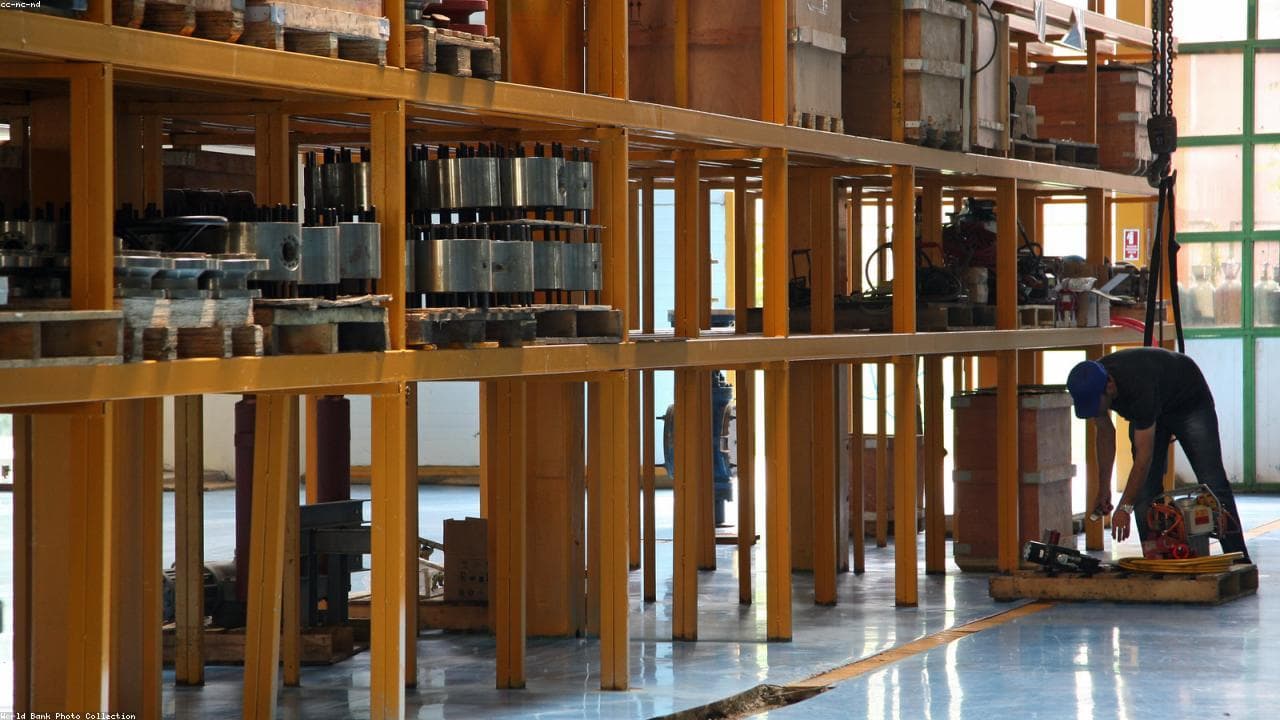
Hazardous Materials Handling drills for chemicals in Pune.
Book a walkthrough or start a focused pilot on your site.