

Fall Protection Equipment Inspection VR training for construction in Delhi NCR.
Delhi NCR, Delhi NCR — auto, electronics and manufacturing belt (Manesar, Faridabad and Noida clusters). Train workers to inspect harnesses, lanyards and connectors and condemn defective gear, so a worn stitch or a deformed hook is caught on the ground, not under load.
Fall Protection Equipment Inspection VR training for construction in Delhi NCR
DrillXR Fall Protection Equipment Inspection trains the check that decides whether a harness saves a life or fails under load: a thorough, methodical pre-use inspection that condemns defective gear before it ever leaves the ground. The simulation reproduces the hazards that a missed inspection invites: equipment failure under fall-arrest load, undetected cut, abrasion or chemical damage to webbing, deformed or corroded connectors and energy absorbers, and the use of out-of-date or unrated equipment that should never have been issued. Inside the headset the worker checks identification, rating and service date, inspects webbing and stitching for cuts and abrasion, inspects buckles, D-rings and connectors for damage, inspects the energy absorber and any deployment indicator, and then makes the decision, pass the item, or condemn and quarantine it, and records the result. Because fall-arrest gear is only as good as its last inspection, the headset trains a disciplined, item-by-item check rather than a glance.
Fall protection equipment is life-safety equipment, and an unnoticed defect is the kind of latent failure that only reveals itself at the worst possible moment, under the shock load of a fall. The Factories Act 1948 carries duties for safe work at height on factory premises, the Building and Other Construction Workers Act 1996 extends the same obligation across construction, and a site SOP and equipment inspection register govern how gear is checked, logged and removed from service. The common failure is the rushed, habitual check: a worker who clips on every day stops really looking, misses a cut webbing edge or a deployed energy absorber, and trusts gear that should have been condemned. DrillXR lets a worker handle a range of defective and serviceable items in the headset and practise the pass-or-condemn decision, so the inspection is genuinely thorough before a real harness is ever loaded.
Fall Protection Equipment Inspection training for Delhi NCR’s industrial base
Delhi NCR is North India's largest manufacturing engine, built around three powerful sub-clusters: Manesar in Haryana, with its automotive OEMs and tier-one supplier base; Faridabad, a long-established heavy-engineering, machinery and auto-component belt; and Noida, with its electronics, appliance and light-manufacturing concentration. Together they form a sprawling, multi-state industrial region where car and two-wheeler assembly, forging and machining, electronics production and large-scale warehousing operate side by side. The workforce is enormous, heavily contract and migrant, and rotates frequently — making consistent safety competence a region-wide challenge rather than a single-plant one.
The scale and churn of NCR's workforce make training consistency the core problem: a Manesar supplier or a Faridabad engineering unit is constantly inducting new, often contract, operators, and a slide-and-signature induction guarantees neither competence nor evidence of it. VR fixes both. A new operator can rehearse a forklift pedestrian near-miss, a press lockout or a line-side evacuation in the headset until the response is reflexive, and the plant captures a score for every attempt regardless of who the worker is or when they started. For OEM-audited suppliers around Manesar and for multi-site operators spread across Haryana, Delhi and Noida, that assessed, repeatable record lets them hold a vast and mobile workforce to one measurable safety standard — and prove it to whichever state regulator and customer comes calling.
Inside a fall protection equipment inspection drill
The session presents the trainee with a harness, lanyard and connectors to inspect before use. They begin by checking the identification, rating and service date, condemning an item that is out of date or unrated for the application. They inspect the webbing and stitching, turning and flexing it to find seeded cuts, abrasion and chemical damage that a quick look would miss; pass a cut harness and the run logs the failure it should have caught. They inspect the buckles, D-rings and connectors for deformation, corrosion and a properly closing gate, rejecting a damaged hook. They inspect the energy absorber and its deployment indicator, condemning one that has already deployed. With each item assessed, the trainee makes the decision, passing serviceable gear and condemning and quarantining the defective items rather than returning them to stock, and records each result, completing the inspect-decide-record loop.
Construction risk in focus
Construction fatalities are overwhelmingly concentrated in a handful of mechanisms. Falls from height — off scaffolds, edges, ladders and fragile roofs — are the single largest killer, usually traced to missing or misused fall-arrest equipment and wrong anchor selection. Lifting operations cause struck-by and crushing injuries when loads, exclusion zones and signalling are mismanaged. Excavation collapse buries workers in unsupported or wrongly battered trenches. Site-traffic incidents arise where plant, delivery vehicles and people share congested ground. These are split-second, physical failures that no written test can certify a worker against.
Go deeper on the Fall Protection Equipment Inspection module, VR training for construction, or all training in Delhi NCR.
The hazards drilled
- equipment failure under fall-arrest load
- missing cut, abrasion or chemical damage to webbing
- deformed or corroded connectors and energy absorbers
- use of out-of-date or unrated equipment
Construction risks in Delhi NCR
- falls from height
- lifting operations
- excavation collapse
- site-traffic
The scored procedure
- 01Check identification, rating and service date
- 02Inspect webbing and stitching for cuts and abrasion
- 03Inspect buckles, D-rings and connectors for damage
- 04Inspect the energy absorber and any deployment indicator
- 05Pass, condemn and quarantine, and record the result
Compliance mapping
Related drills for construction
Explore the Fall Protection Equipment Inspection module, VR training for construction, or all training in Delhi NCR.
Fall Protection Equipment Inspection VR training in Delhi NCR — FAQs
Why run fall protection equipment inspection VR training for construction in Delhi NCR?
Delhi NCR is auto, electronics and manufacturing belt (Manesar, Faridabad and Noida clusters). Construction teams there face falls from height, lifting operations, excavation collapse. DrillXR lets crews rehearse fall protection equipment inspection safely and repeatably, with scored, audit-ready evidence.
What does the Fall Protection Equipment Inspection simulation cover?
Train workers to inspect harnesses, lanyards and connectors and condemn defective gear, so a worn stitch or a deformed hook is caught on the ground, not under load. It reproduces equipment failure under fall-arrest load, missing cut, abrasion or chemical damage to webbing, deformed or corroded connectors and energy absorbers.
Which regulations apply?
Factories Act 1948 (safe work at height); BOCW Act 1996 (construction site duties); site SOP / equipment inspection register; BOCW Act 1996; Factories Act (off-site works); BIS IS 3764.
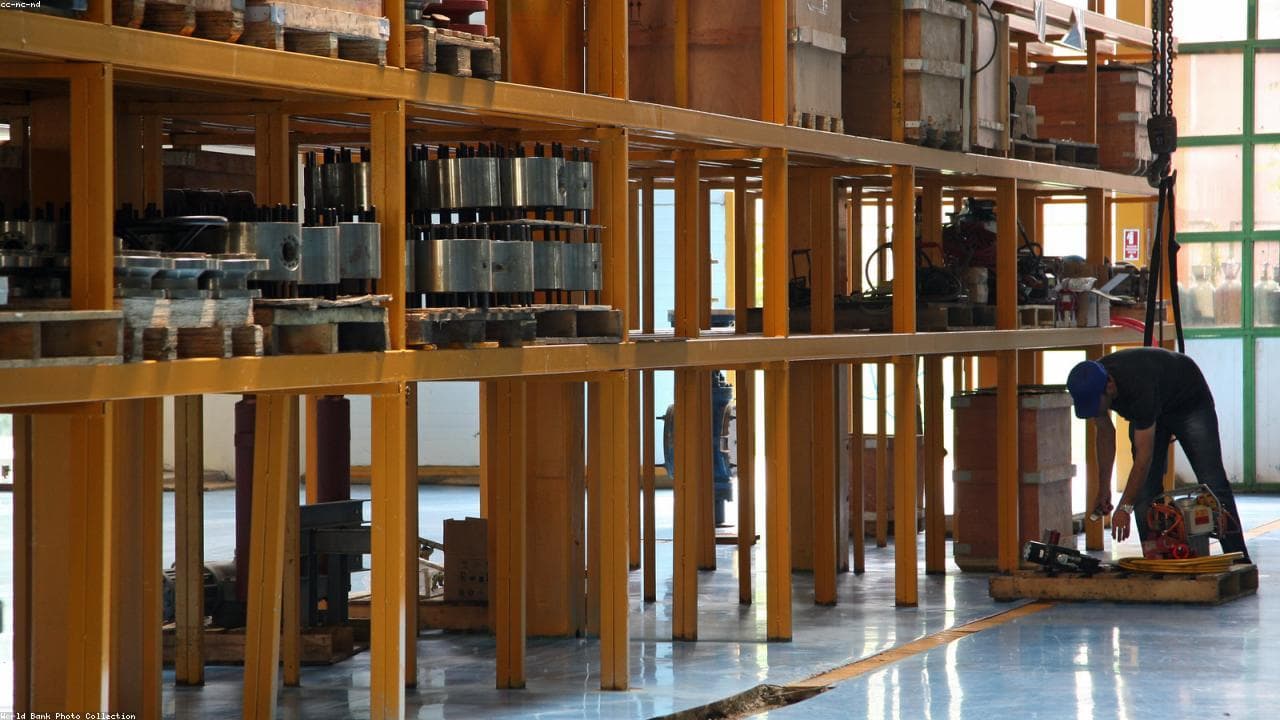
Fall Protection Equipment Inspection drills for construction in Delhi NCR.
Book a walkthrough or start a focused pilot on your site.