
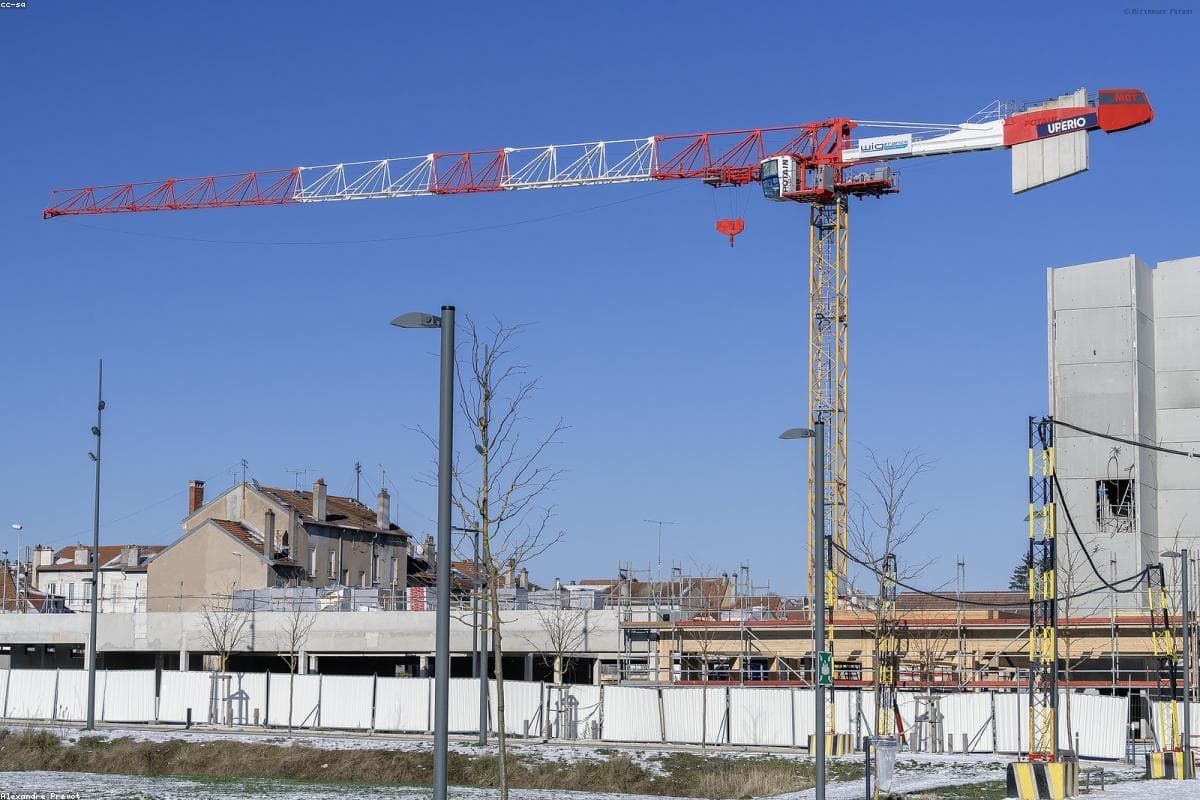
Overhead / EOT Crane Operation VR training.
Train EOT crane operators on pre-use checks, load control and safe travel in a virtual bay before they ever take the pendant on a live crane.
Overhead / EOT Crane Operation VR training
DrillXR Overhead and EOT Crane Operation trains crane operators in a virtual bay before they take the pendant on a live electric overhead travelling crane, where a swinging or dropped load endangers everyone working below. The simulation reproduces the hazards that drive overhead-crane incidents: a load drop or two-blocking when the hook is run into the block, load swing and collisions with structures or stock, a struck-by when someone passes under a suspended load, and overload or limit-switch failure when the crane is pushed past capacity. Inside the headset the operator completes the pre-use crane inspection, confirms the load weight against capacity, hoists and controls the load smoothly, travels and traverses within clear paths, and lands, unhooks and parks the crane. Because smooth control and a clear path are what keep a load off people, the headset trains that discipline hands-on.
Overhead cranes operate above working areas, which makes every error a hazard to the people beneath. India's framework reflects that: the Factories Act 1948 carries explicit duties for lifting machines and lifting tackle, including thorough periodic examination, under Section 29, a site lifting plan governs how loads are moved, and a crane safe-operating procedure defines safe limits and signals. The common failure is not a lack of skill but a load swung carelessly into stock, a hoist run into two-blocking, a path travelled over people, or an overload chanced because the crane "looked" capable. A classroom cannot let an operator feel a load swing out of control; DrillXR lets them make and correct those mistakes in a virtual bay where the only cost is a lower score and a clearer understanding of the limits.
Why train overhead / eot crane operation in VR
Crane operation is about smooth, anticipated control, which a slide deck and a video cannot build because they never make the operator command a load. An operator has to feel how a load swings when they start and stop the hoist or the long travel, judge the path to keep clear of structures and people, and read the moment an overload or a run toward two-blocking develops, and none of that transfers from theory. VR reproduces the pendant, the load on the hook, the swing of the long travel and the limit the crane reaches, so the operator practises inspect, confirm, hoist, travel and land until control is automatic. A dropped load, a collision and an overload can be experienced and corrected without anyone hurt and without taking a working crane out of service. That combination, real handling consequences at zero physical risk, is what makes immersive practice measurably better than a ride-along.
Inside a overhead / eot crane operation session
The session begins at a parked overhead crane where the trainee runs the pre-use inspection, checking the hoist, brakes, hook, limit switches, pendant and wire rope; skipping an item is logged. They confirm the weight of the load against the crane's rated capacity, and the scored choice is to refuse an overload rather than chance it. Taking the pendant, the operator hoists the load smoothly, avoiding the sudden start that sets it swinging, and watches the hook so it never runs into two-blocking. They travel and traverse the load along a clear path, keeping it away from structures and stock and never carrying it over people; pass the load over a worker and the simulation registers a struck-by risk. An attempted overload demonstrates the limit-switch and capacity consequence. The run closes as the operator lands the load, unhooks and parks the crane in its designated position.
Scoring & certification
Every run is scored across the procedure: pre-use inspection completed, load weight confirmed against capacity, load hoisted and controlled smoothly, travelled and traversed within clear paths, and landed, unhooked and parked. Behavioural events, a load swung carelessly, a near two-blocking, a load carried over people, an overload chanced, or an uncontrolled stop, are captured individually so an assessor sees the specific failure rather than a bare pass or fail. Per-step weighting produces an overall competency outcome, and a passing run issues a dated certificate against the operator's record. Results flow over xAPI and SCORM to the LMS and the DrillXR compliance dashboard, where a supervisor can confirm an operator is cleared before authorising them on a real crane and can schedule refreshers by bay, shift or site.
Deployment on your site
Overhead and EOT Crane Operation runs on Meta Quest, Pico and PC-VR and launches in kiosk mode, so a headset at the bay or training area boots straight into the module for the next operator with no setup. The virtual bay is configurable to the real operation: the crane type and rated capacity, the typical loads, the bay and structure layout, the travel and traverse paths and the site lifting plan and crane safe-operating procedure can be matched to the customer's cranes. A fleet of headsets is managed from one console with completion data feeding the central dashboard. For steel, manufacturing and ports operators, this delivers consistent overhead-crane assessment across bays and shifts, screening operators before they are ever handed the pendant on a live crane.
Explore all VR safety training, see how it adapts to your industry, or read whether VR is effective for safety training.
Hazards it reproduces
- load drop & two-blocking
- load swing and collisions
- struck-by under a suspended load
- overload and limit-switch failure
The scored procedure
- 01Complete the pre-use crane inspection
- 02Confirm the load weight against capacity
- 03Hoist and control the load smoothly
- 04Travel and traverse within clear paths
- 05Land, unhook and park the crane
Compliance mapping
Overhead / EOT Crane Operation FAQs
What does the Overhead / EOT Crane Operation VR module cover?
Train EOT crane operators on pre-use checks, load control and safe travel in a virtual bay before they ever take the pendant on a live crane.
Which hazards does it simulate?
load drop & two-blocking; load swing and collisions; struck-by under a suspended load; overload and limit-switch failure.
Is the overhead / eot crane operation training assessed?
Yes. Every step is scored and timed, with pass thresholds that trigger certificates and feed the compliance dashboard.
Which standards does it map to?
Factories Act 1948 (lifting machines & tackle, Section 29); site lifting plan; crane safe-operating procedure.
See Overhead / EOT Crane Operation scored live.
Book a walkthrough tuned to your equipment and site.