
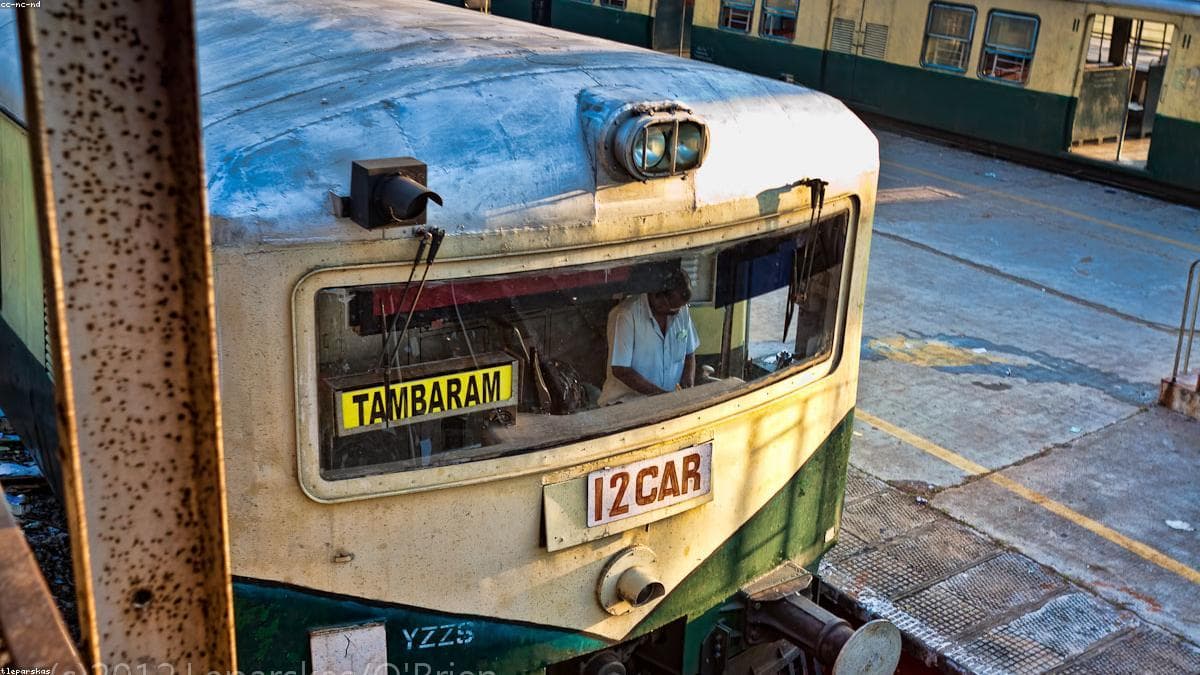
Overhead / EOT Crane Operation VR training for ports & terminals in Chennai.
Chennai, Tamil Nadu — automotive and heavy-engineering hub (Sriperumbudur–Oragadam auto cluster). Train EOT crane operators on pre-use checks, load control and safe travel in a virtual bay before they ever take the pendant on a live crane.
Overhead / EOT Crane Operation VR training for ports & terminals in Chennai
DrillXR Overhead and EOT Crane Operation trains crane operators in a virtual bay before they take the pendant on a live electric overhead travelling crane, where a swinging or dropped load endangers everyone working below. The simulation reproduces the hazards that drive overhead-crane incidents: a load drop or two-blocking when the hook is run into the block, load swing and collisions with structures or stock, a struck-by when someone passes under a suspended load, and overload or limit-switch failure when the crane is pushed past capacity. Inside the headset the operator completes the pre-use crane inspection, confirms the load weight against capacity, hoists and controls the load smoothly, travels and traverses within clear paths, and lands, unhooks and parks the crane. Because smooth control and a clear path are what keep a load off people, the headset trains that discipline hands-on.
Overhead cranes operate above working areas, which makes every error a hazard to the people beneath. India's framework reflects that: the Factories Act 1948 carries explicit duties for lifting machines and lifting tackle, including thorough periodic examination, under Section 29, a site lifting plan governs how loads are moved, and a crane safe-operating procedure defines safe limits and signals. The common failure is not a lack of skill but a load swung carelessly into stock, a hoist run into two-blocking, a path travelled over people, or an overload chanced because the crane "looked" capable. A classroom cannot let an operator feel a load swing out of control; DrillXR lets them make and correct those mistakes in a virtual bay where the only cost is a lower score and a clearer understanding of the limits.
Overhead / EOT Crane Operation training for Chennai’s industrial base
Chennai is India's automotive capital, and the Sriperumbudur–Oragadam corridor on the city's western fringe is the beating heart of it. The cluster hosts global car and commercial-vehicle OEMs, two-wheeler plants, a dense tier-one and tier-two supplier ecosystem, and the stamping, welding, painting and assembly operations that feed them. Heavy-engineering and electronics manufacturing round out the base. With several large assembly plants and hundreds of feeder units operating on tightly synchronised just-in-time schedules, the corridor runs continuous high-tempo production where a safety stoppage at one supplier can cascade through the whole line.
The economics of Chennai's auto corridor make undertrained operators expensive and dangerous in equal measure: a machine-interaction injury or a press incident stops a line that an OEM is counting on for just-in-time delivery. Classroom safety briefings cannot reliably build the muscle memory a press operator or a robotic-cell technician needs, and they leave no objective evidence of competence. VR does both. In the headset, an operator can confirm safe-stop and lock-and-verify before reaching into a cell, rehearse a weld-line hazard, and practise a line-side evacuation until the response is reflexive — and every attempt produces a score. For Sriperumbudur and Oragadam suppliers under constant OEM audit, that scored, repeatable record is what turns a training claim into demonstrable proof, across permanent and contract workers alike.
Inside a overhead / eot crane operation drill
The session begins at a parked overhead crane where the trainee runs the pre-use inspection, checking the hoist, brakes, hook, limit switches, pendant and wire rope; skipping an item is logged. They confirm the weight of the load against the crane's rated capacity, and the scored choice is to refuse an overload rather than chance it. Taking the pendant, the operator hoists the load smoothly, avoiding the sudden start that sets it swinging, and watches the hook so it never runs into two-blocking. They travel and traverse the load along a clear path, keeping it away from structures and stock and never carrying it over people; pass the load over a worker and the simulation registers a struck-by risk. An attempted overload demonstrates the limit-switch and capacity consequence. The run closes as the operator lands the load, unhooks and parks the crane in its designated position.
Ports & Terminals risk in focus
Port failure modes are dominated by movement and enclosure. Lifting operations — quay and yard cranes handling containers and bulk over crews — cause struck-by and crushing injuries when exclusion zones, rigging or signalling fail. Vehicle and pedestrian traffic in busy terminal yards, where trailers, stackers and people intersect, is a persistent fatality source. Falls occur during work at height on cranes, container stacks and vessel access. And confined-space entry into ship holds and bulk-cargo spaces carries oxygen-deficiency and toxic-atmosphere hazards, including from the cargo itself. Each is a coordination-and-procedure failure in a space too crowded to leave to chance.
Go deeper on the Overhead / EOT Crane Operation module, VR training for ports & terminals, or all training in Chennai.
The hazards drilled
- load drop & two-blocking
- load swing and collisions
- struck-by under a suspended load
- overload and limit-switch failure
Ports & Terminals risks in Chennai
- lifting operations
- vehicle/pedestrian traffic
- falls
- confined space (holds)
The scored procedure
- 01Complete the pre-use crane inspection
- 02Confirm the load weight against capacity
- 03Hoist and control the load smoothly
- 04Travel and traverse within clear paths
- 05Land, unhook and park the crane
Compliance mapping
Related drills for ports & terminals
Explore the Overhead / EOT Crane Operation module, VR training for ports & terminals, or all training in Chennai.
Overhead / EOT Crane Operation VR training in Chennai — FAQs
Why run overhead / eot crane operation VR training for ports & terminals in Chennai?
Chennai is automotive and heavy-engineering hub (Sriperumbudur–Oragadam auto cluster). Ports & Terminals teams there face lifting operations, vehicle/pedestrian traffic, falls. DrillXR lets crews rehearse overhead / eot crane operation safely and repeatably, with scored, audit-ready evidence.
What does the Overhead / EOT Crane Operation simulation cover?
Train EOT crane operators on pre-use checks, load control and safe travel in a virtual bay before they ever take the pendant on a live crane. It reproduces load drop & two-blocking, load swing and collisions, struck-by under a suspended load.
Which regulations apply?
Factories Act 1948 (lifting machines & tackle, Section 29); site lifting plan; crane safe-operating procedure; Dock Workers (Safety) Regulations; Factories Act; BIS lifting standards.
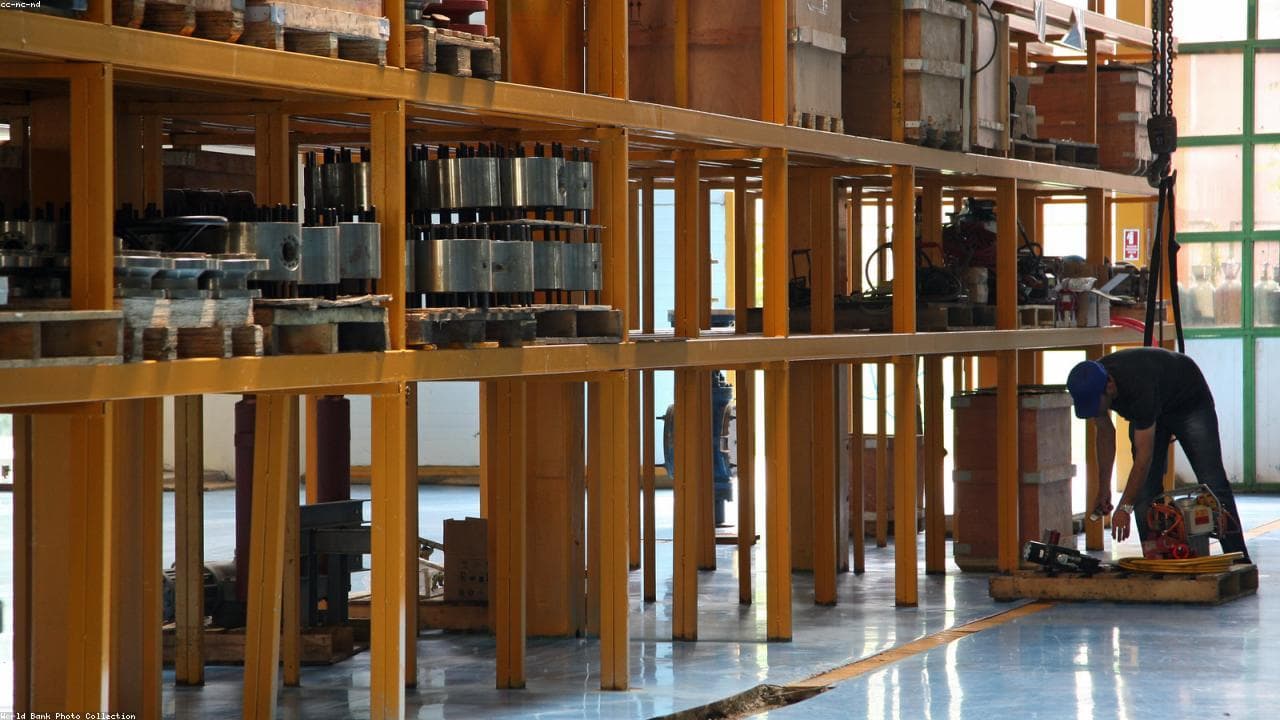
Overhead / EOT Crane Operation drills for ports & terminals in Chennai.
Book a walkthrough or start a focused pilot on your site.