
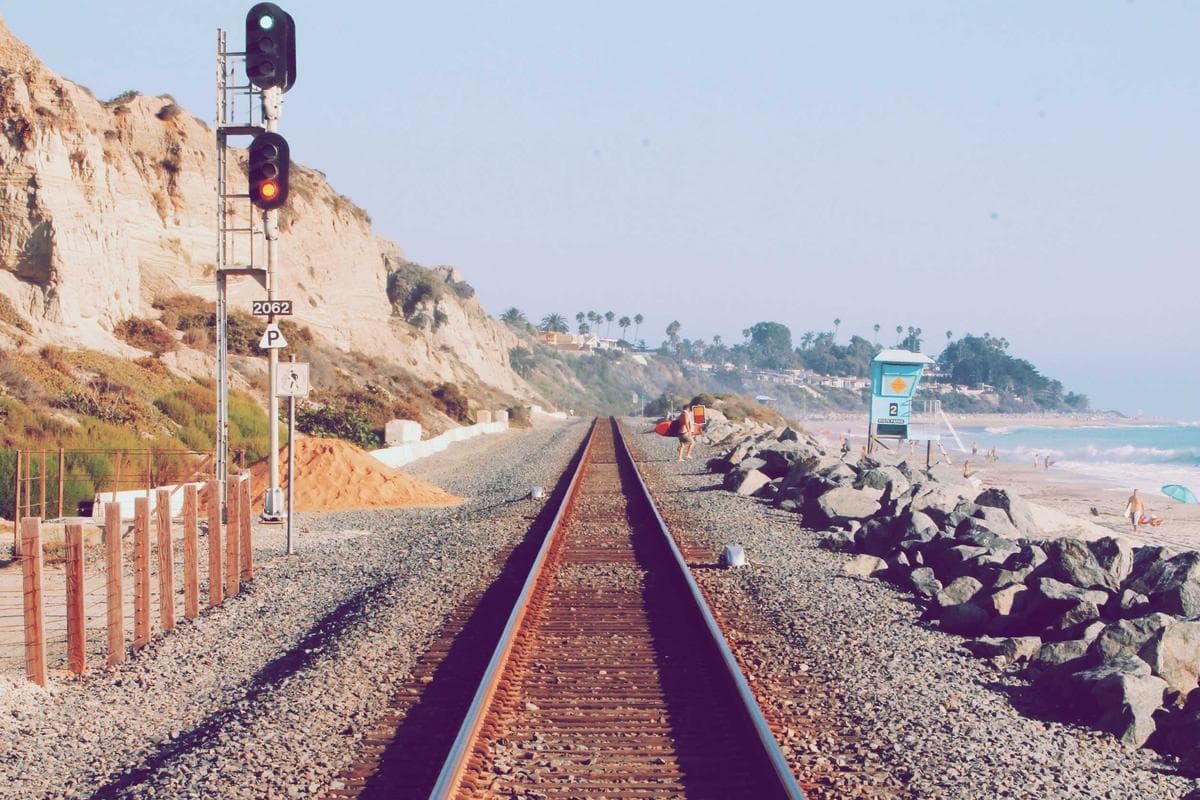
Ammonia Refrigeration Safety VR training.
Train detection, isolation, PPE and emergency response for an ammonia refrigeration release in a virtual plant room you can never safely stage for real.
Ammonia Refrigeration Safety VR training
DrillXR Ammonia Refrigeration Safety puts a trainee inside a virtual plant room and cold store where an ammonia release is the scenario that can never be safely staged for real. The simulation reproduces the hazards specific to ammonia refrigeration: a release and the toxic inhalation that follows, leaks at valves, fittings and the compressor where the system is most stressed, ignition of an ammonia concentration in the flammable range, and the failed isolation and uncoordinated response that lets a small leak become a plant-wide emergency. Inside the headset the worker detects the leak and reads wind direction, dons ammonia-rated PPE and self-contained breathing apparatus, isolates the affected section and pumps, evacuates and accounts for personnel while ventilating the space, and reports, decontaminates and stands down. Because ammonia is both toxic and pungent yet quickly overwhelming, the headset trains the detect-protect-isolate-evacuate sequence that decides whether a release is contained or fatal.
Ammonia refrigeration is widespread in cold storage, food and process plants, and its hazards are governed seriously in India. The PESO / Gas Cylinders Rules 2016 cover ammonia held under pressure, the Factories Act 1948 places duties on major-accident-hazard units including a statutory on-site emergency plan that a refrigeration release must be drilled against, and the Static and Mobile Pressure Vessels (SMPV) Rules govern the larger pressure-vessel and bulk-storage side of an ammonia system. The dangerous reality is that an ammonia release escalates fast and a responder acting on instinct, rushing toward a colleague without SCBA, can become the next casualty. DrillXR lets plant-room and emergency teams rehearse detection, protection, isolation and a coordinated evacuation in the headset, so the discipline holds under the pressure of a real release rather than collapsing into improvisation.
Why train ammonia refrigeration safety in VR
An ammonia release is exactly the hazard that cannot be staged: it is toxic, it escalates fast, and a poorly protected responder becomes a casualty, so traditional training stays theoretical and theory is what fails when a plant room fills with vapour. VR makes the release a visible, modelled hazard: the trainee sees the leak, reads the wind, and feels the pull to rush in, then learns through the simulation why donning ammonia-rated PPE and SCBA before approaching, and isolating from a safe position, is the only correct response. Detection, isolation and a coordinated evacuation become physical actions under time pressure rather than abstract steps. No staged drill can put a learner near a genuinely lethal ammonia atmosphere; DrillXR can, safely, which is why it changes the instinct that gets responders hurt in real refrigeration emergencies.
Inside a ammonia refrigeration safety session
The session begins in a virtual refrigeration plant room as an ammonia leak develops at a fitting or the compressor. The trainee's first duty is to detect the leak and read the wind direction, recognising the release and which way the vapour is travelling rather than approaching blind. They don ammonia-rated PPE and self-contained breathing apparatus before going near the source; approaching without SCBA is penalised, and the simulation demonstrates the inhalation consequence. They isolate the affected section and shut down the relevant pumps from a safe position, stopping the release at its source rather than chasing the vapour. They then evacuate the area, account for all personnel at the muster point, and ventilate the space; anyone left unaccounted for is surfaced. The run closes as the worker reports the incident per the on-site emergency plan, oversees decontamination and stands the response down once the atmosphere is confirmed safe.
Scoring & certification
Each attempt is scored across the procedure: leak detected and wind direction read, ammonia-rated PPE and SCBA donned, the affected section and pumps isolated, the area evacuated and personnel accounted for, and the incident reported with decontamination and stand-down. The critical failures are captured explicitly, approaching the leak without SCBA, isolating from an unsafe position, leaving personnel unaccounted for, or standing down before the atmosphere is confirmed safe, because these are the exact errors that injure responders in real ammonia incidents. Per-step weighting produces an overall competency outcome and a passing run issues a dated certificate against the worker's record. Results stream over xAPI and SCORM to the LMS and the DrillXR compliance dashboard, where an HSE manager can confirm plant-room and emergency staff are competent for an ammonia release and can evidence that drill as part of a major-accident-hazard unit's on-site emergency plan.
Deployment on your site
Ammonia Refrigeration Safety runs on Meta Quest, Pico and PC-VR and launches in kiosk mode, so a headset in the plant-room or HSE training area boots straight into the module for the next worker. The scenario is configurable to the site: the refrigeration system layout, the likely leak points at valves, fittings and the compressor, the isolation and pump-shutdown points, the ammonia-rated PPE and SCBA available, the muster points and the site on-site emergency plan can be mirrored so training matches the real plant. A fleet of headsets is managed from one console with completion data feeding the central dashboard. For chemicals, pharma and warehousing operators running ammonia refrigeration, this delivers consistent release-response competence across sites and proves, per worker, that detection, protection and coordinated isolation are being trained and assessed.
Explore all VR safety training, see how it adapts to your industry, or read whether VR is effective for safety training.
Hazards it reproduces
- ammonia release & toxic inhalation
- leaks at valves, fittings and the compressor
- ignition of flammable ammonia concentrations
- failed isolation and uncoordinated response
The scored procedure
- 01Detect the leak and read wind direction
- 02Don ammonia-rated PPE and SCBA
- 03Isolate the affected section and pumps
- 04Evacuate, account and ventilate
- 05Report, decontaminate and stand down
Compliance mapping
Ammonia Refrigeration Safety FAQs
What does the Ammonia Refrigeration Safety VR module cover?
Train detection, isolation, PPE and emergency response for an ammonia refrigeration release in a virtual plant room you can never safely stage for real.
Which hazards does it simulate?
ammonia release & toxic inhalation; leaks at valves, fittings and the compressor; ignition of flammable ammonia concentrations; failed isolation and uncoordinated response.
Is the ammonia refrigeration safety training assessed?
Yes. Every step is scored and timed, with pass thresholds that trigger certificates and feed the compliance dashboard.
Which standards does it map to?
PESO / Gas Cylinders Rules 2016 (ammonia under pressure); Factories Act 1948 (MAH units & on-site emergency plan); Static & Mobile Pressure Vessels (SMPV) Rules.
See Ammonia Refrigeration Safety scored live.
Book a walkthrough tuned to your equipment and site.