

Working Near Water & Drowning Prevention VR training for power & utilities in Bengaluru.
Bengaluru, Karnataka — aerospace, machinery and manufacturing hub (Peenya and Bommasandra industrial areas). Rehearse edge discipline, buoyancy aid use and water rescue so workers on quaysides, banks and over-water structures survive a fall into water.
Working Near Water & Drowning Prevention VR training for power & utilities in Bengaluru
DrillXR Working Near Water and Drowning Prevention puts a trainee on the quayside, jetty and bank edges where a single slip can become a drowning. The simulation reproduces the hazards that kill at the water's edge: falls into water from unprotected edges, the cold-water shock that incapacitates a strong swimmer within minutes, the current or tide that sweeps a person away from any rescue point, and the drowning that so often follows when a would-be rescuer jumps in. Inside the headset the worker assesses the water hazard and the edge condition, dons and checks the correct buoyancy aid or lifejacket, sets up edge protection and rescue equipment, works within a safe zone back from the edge, and executes a reach-or-throw rescue without ever entering the water themselves.
Drowning at work is sudden and frequently doubles its casualties when colleagues react on instinct. The Dock Workers (Safety, Health and Welfare) Act 1986 sets duties for safe work at ports and on quaysides, and the Factories Act 1948 obliges occupiers to provide safe means of access and to control dangerous operations near water. A site water-edge working and rescue procedure then governs buoyancy aids, edge protection and the rescue method. The deadliest moment is the rescue: a worker sees a colleague in the water and enters to save them, and now there are two casualties. DrillXR rehearses the reach-and-throw discipline and the habit of staying out of the water, so the response that saves lives is trained before a real fall ever tests it.
Working Near Water & Drowning Prevention training for Bengaluru’s industrial base
Beyond its software reputation, Bengaluru carries a substantial hard-manufacturing economy concentrated in the Peenya and Bommasandra industrial areas. Peenya, one of Asia's largest industrial estates, is a dense grid of machinery, machine-tool, electrical-equipment and precision-engineering units. Bommasandra to the south blends general manufacturing with pharma and electronics. Layered over this is Bengaluru's aerospace and defence manufacturing base — public-sector heavyweights and a growing private supplier ecosystem producing high-precision, high-consequence components. The city's industrial workforce is large, skilled and shift-based, spread across thousands of small and mid-sized units.
Bengaluru's machinery-heavy base makes machine-interaction the defining hazard: an unguarded nip point, a defeated interlock, or a machine that restarts during maintenance because isolation was incomplete. These failures are sudden and severe, and they are not reliably prevented by a slide deck. VR builds the right reflexes. In the headset an operator identifies guards and interlocks, confirms safe-stop, and practises lock-and-verify before access until the sequence is automatic — and the system scores every attempt. For Peenya's thousands of engineering units and Bommasandra's manufacturers, and especially for aerospace and defence suppliers whose customers demand documented competence, that assessed, repeatable record is far more credible than an attendance register. It also lets a multi-unit operator hold every site and every shift to the same measurable safety standard.
Inside a working near water & drowning prevention drill
A session places the trainee on a quayside with a task to perform near the water. They begin by assessing the water hazard and the edge — its height, condition and any tide or current — rather than walking straight to the edge. They don a buoyancy aid or lifejacket and check it is serviceable and correctly fastened; an unchecked or wrongly worn aid is logged. They set up edge protection and confirm rescue equipment, a throw line and reaching pole, is to hand. Working within the safe zone, the trainee keeps back from the unprotected edge while completing the task. The scenario then presents a person in the water: the trainee must keep their footing and execute a reach-or-throw rescue from land. Enter the water to rescue and the simulation demonstrates the second-casualty outcome and scores it as a failure.
Power & Utilities risk in focus
Power-sector incidents centre on energy that cannot be seen. Electrical-isolation failures — working on equipment that was not fully de-energised, locked and verified — cause electrocution and are the sector's signature fatality. Work at height on transmission towers, boiler structures and distribution poles produces falls when fall-arrest discipline lapses. Confined-space entry into boilers, ducts and ash-handling plant carries oxygen-deficiency and toxic-atmosphere risk. Arc flash during switching or fault conditions delivers severe burns in milliseconds. Each is a procedure-under-discipline failure where the correct sequence, performed every time, is the only reliable safeguard.
Go deeper on the Working Near Water & Drowning Prevention module, VR training for power & utilities, or all training in Bengaluru.
The hazards drilled
- falls into water from quays, jetties and bank edges
- cold-water shock and rapid incapacitation
- being swept by current or tide
- drowning during an uncoordinated rescue attempt
Power & Utilities risks in Bengaluru
- electrical isolation
- work at height
- confined space (boilers)
- arc flash
The scored procedure
- 01Assess the water hazard and edge condition
- 02Don and check the correct buoyancy aid or lifejacket
- 03Set up edge protection and rescue equipment
- 04Work within the safe zone away from the edge
- 05Execute a reach-or-throw rescue without entering the water
Compliance mapping
Related drills for power & utilities
Explore the Working Near Water & Drowning Prevention module, VR training for power & utilities, or all training in Bengaluru.
Working Near Water & Drowning Prevention VR training in Bengaluru — FAQs
Why run working near water & drowning prevention VR training for power & utilities in Bengaluru?
Bengaluru is aerospace, machinery and manufacturing hub (Peenya and Bommasandra industrial areas). Power & Utilities teams there face electrical isolation, work at height, confined space (boilers). DrillXR lets crews rehearse working near water & drowning prevention safely and repeatably, with scored, audit-ready evidence.
What does the Working Near Water & Drowning Prevention simulation cover?
Rehearse edge discipline, buoyancy aid use and water rescue so workers on quaysides, banks and over-water structures survive a fall into water. It reproduces falls into water from quays, jetties and bank edges, cold-water shock and rapid incapacitation, being swept by current or tide.
Which regulations apply?
Dock Workers (Safety, Health & Welfare) Act 1986; Factories Act 1948 (safe means of access & dangerous operations); site water-edge working & rescue standard operating procedure; CEA Safety Regulations; Electricity Act 2003; Factories Act 1948.
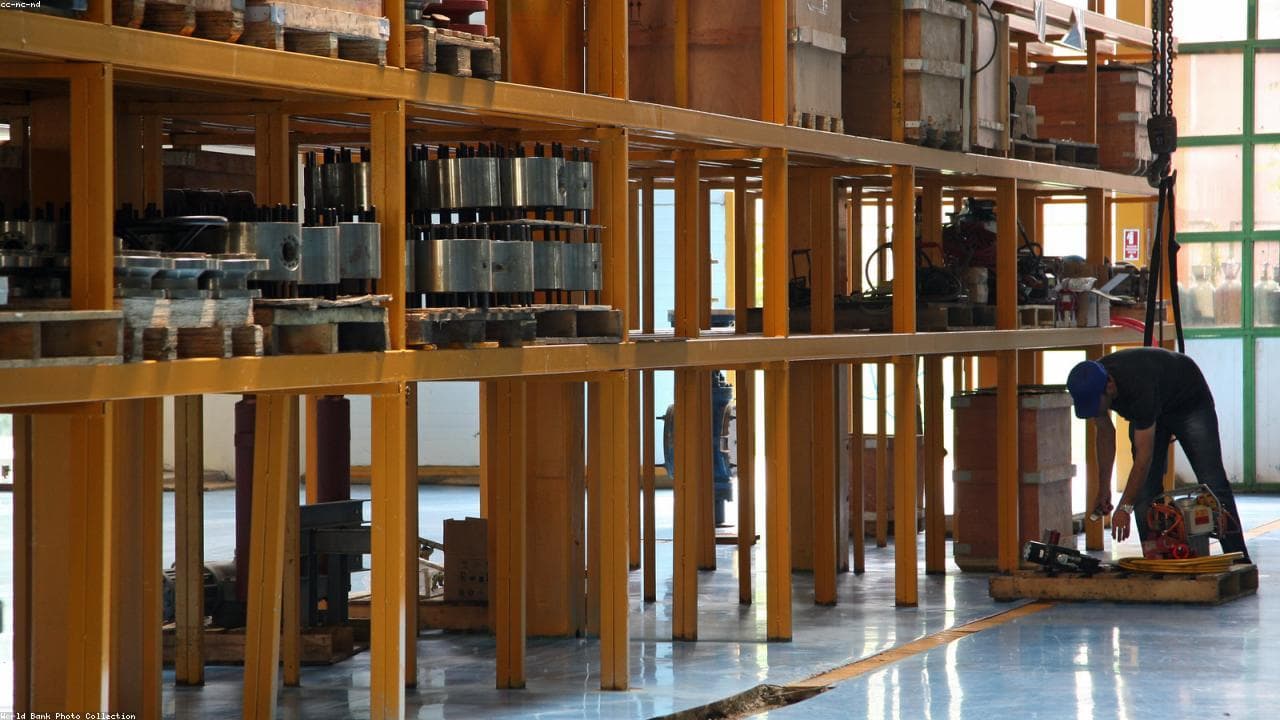
Working Near Water & Drowning Prevention drills for power & utilities in Bengaluru.
Book a walkthrough or start a focused pilot on your site.