
Work at Height VR training for oil & gas in Mumbai.
Mumbai, Maharashtra — chemicals, pharma and ports hub (MIDC, JNPT and the MMR industrial corridor). Rehearse harness use, anchor selection and fall-arrest procedure on virtual scaffolds and structures with real consequences, none of the risk.
Work at Height VR training for oil & gas in Mumbai
DrillXR Work at Height lets a trainee rehearse fall protection on virtual scaffolds and structures where the consequences are real but the risk is not. The simulation reproduces the hazards that drive height fatalities: falls from height, anchor points chosen or rated incorrectly, scaffold and ladder failure, and dropped objects that endanger anyone below. Inside the headset the worker inspects their PPE and harness, selects and rates a suitable anchor, connects and maintains one-hundred-percent tie-off as they move, works only within the safe envelope their lanyard allows, and finally descends and inspects their equipment. Because the learner physically reaches, clips and repositions, they build the discipline of staying attached rather than simply being told to.
Falls from height remain one of the leading causes of death on Indian work sites, and the legal framework reflects that. The Factories Act 1948 sets duties for safe work at height inside factory premises, BIS IS 3521 governs fall-arrest equipment, and the Building and Other Construction Workers Act extends protection across construction sites where so much height work happens. The most dangerous moment is the transition, the instant a worker unclips to move and is momentarily unprotected, and that is precisely the behaviour a poster cannot train out. DrillXR makes the unclipped fall happen in the headset, repeatedly and safely, so the habit of continuous attachment is built before a worker is ever exposed on a real structure.
Work at Height training for Mumbai’s industrial base
Mumbai and the wider Mumbai Metropolitan Region form one of India's most complex industrial geographies, where chemicals, pharmaceuticals, ports and logistics collide inside a single dense corridor. The MIDC estates across the MMR, the Jawaharlal Nehru Port (JNPT) at Nhava Sheva and the long industrial belt running through Navi Mumbai, Thane and Taloja put hazardous-chemical processing, bulk storage, container handling and warehousing in close proximity to one of the most crowded urban populations on earth. Many of these are Major Accident Hazard (MAH) units, where a process-safety failure is not a local event but a regional one, and where regulators and surrounding communities watch closely.
In Mumbai's chemical and port economy the worst incidents — a toxic release, a confined-space fatality during tank entry, an uncontrolled spill, a botched emergency response — are precisely the ones that cannot be rehearsed on the real asset without endangering people. That is the gap VR closes. DrillXR lets a worker practise atmospheric testing and permit-to-work before a vessel entry, don the correct PPE for a specific spilled substance, and run a timed, role-based emergency drill where coordination itself is scored, not just individual steps. For MAH units across the MMR whose on-site emergency plans must be demonstrably tested, immersive drills produce a defensible, repeatable competence record that a classroom session and a signed attendance sheet simply cannot. In a region this densely populated, the margin for an undertrained response is unforgiving.
Inside a work at height drill
A session places the trainee at the base of a scaffold with a task to perform at elevation. They begin by inspecting their harness and lanyard, checking webbing, stitching and connectors; a damaged item flagged correctly earns credit, missed it costs. They select an anchor and must reject an unrated convenient point in favour of a certified one. Ascending, the worker connects and is required to maintain one-hundred-percent tie-off, using a twin lanyard to stay attached through each transition; unclip to move faster and a fall is triggered and scored. At height they work within the safe envelope, neither over-reaching nor leaving slack that would worsen a fall. They also secure tools against dropping. The run closes with a controlled descent and a post-use equipment inspection.
Oil & Gas risk in focus
Oil and gas failure modes are process-driven and unforgiving. Process-safety events — loss of containment, runaway pressure or temperature, ignition of a release — are the headline catastrophic risk. H2S exposure can incapacitate or kill within seconds and demands instant, correct PPE and rescue behaviour. Hot-work ignition occurs when a permit fails to account for residual hydrocarbons or inadequate gas testing near welding and cutting. Confined-space entry into tanks, vessels and sumps combines toxic-atmosphere, engulfment and entrapment hazards with the recurring tragedy of untrained rescuers becoming the next casualties. Every one of these turns on procedure discipline under stress.
Go deeper on the Work at Height module, VR training for oil & gas, or all training in Mumbai.
The hazards drilled
- falls from height
- incorrect anchor points
- scaffold/ladder failure
- dropped objects
Oil & Gas risks in Mumbai
- process-safety events
- H2S exposure
- hot-work ignition
- confined-space entry
The scored procedure
- 01Inspect PPE & harness
- 02Select and rate the anchor
- 03Connect and maintain 100% tie-off
- 04Work within the safe envelope
- 05Descend and inspect
Compliance mapping
Related drills for oil & gas
Explore the Work at Height module, VR training for oil & gas, or all training in Mumbai.
Work at Height VR training in Mumbai — FAQs
Why run work at height VR training for oil & gas in Mumbai?
Mumbai is chemicals, pharma and ports hub (MIDC, JNPT and the MMR industrial corridor). Oil & Gas teams there face process-safety events, H2S exposure, hot-work ignition. DrillXR lets crews rehearse work at height safely and repeatably, with scored, audit-ready evidence.
What does the Work at Height simulation cover?
Rehearse harness use, anchor selection and fall-arrest procedure on virtual scaffolds and structures with real consequences, none of the risk. It reproduces falls from height, incorrect anchor points, scaffold/ladder failure.
Which regulations apply?
Factories Act 1948 (work at height); BIS IS 3521 (fall-arrest); BOCW Act (construction); OISD standards; PESO (explosives/pressure); Factories Act 1948.
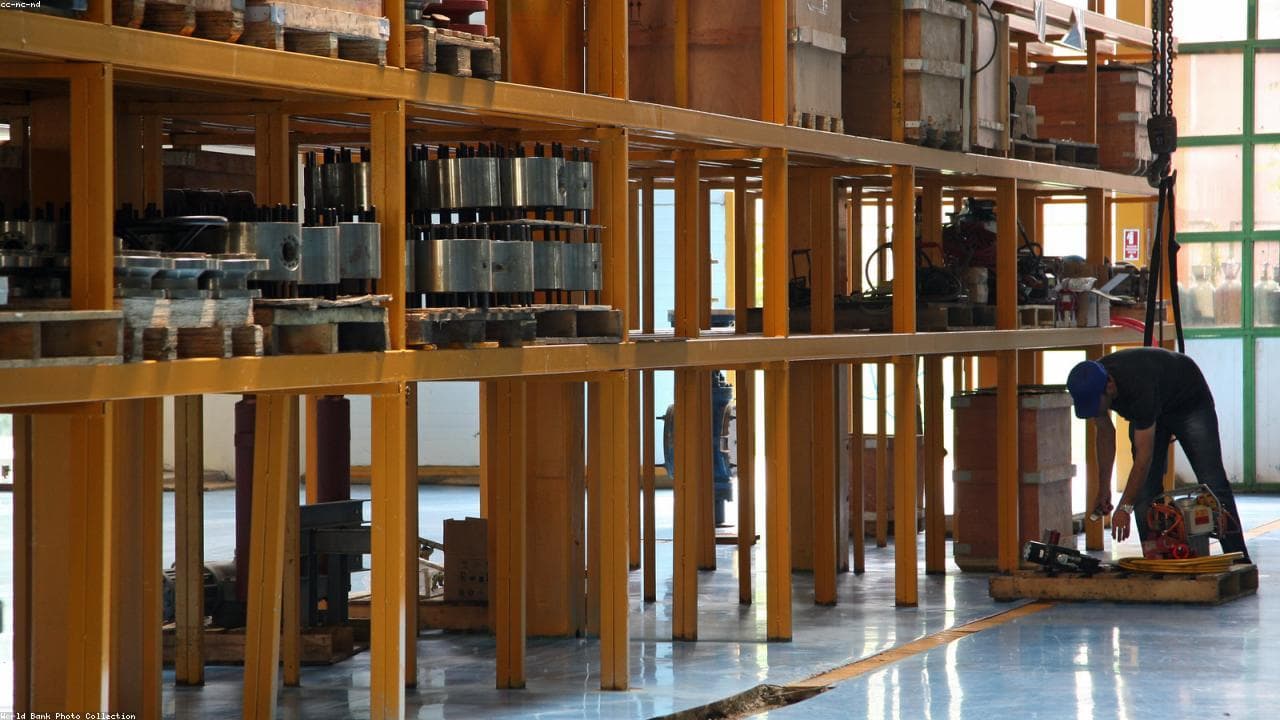
Work at Height drills for oil & gas in Mumbai.
Book a walkthrough or start a focused pilot on your site.