
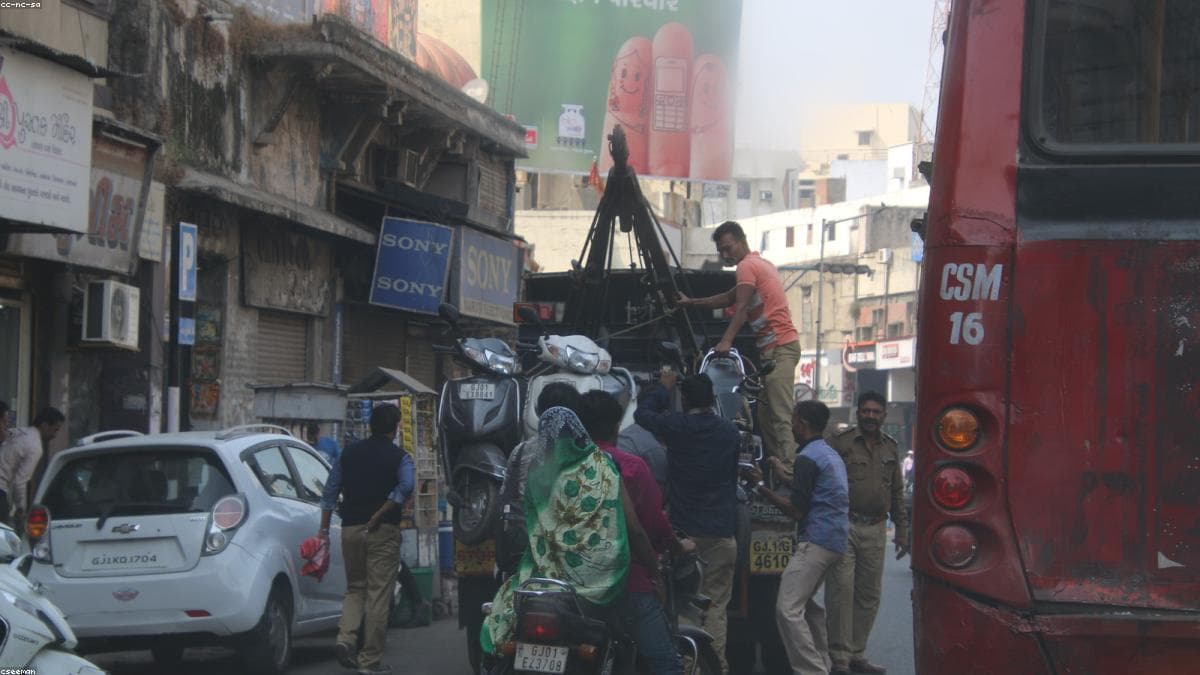
Silica & Respirable Dust VR training for mining in Ahmedabad.
Ahmedabad, Gujarat — chemicals, pharma and textiles hub (Vatva, Naroda and Sanand industrial estates). Drill dust-control measures, respirator use and the discipline that keeps respirable crystalline silica out of workers' lungs on dusty sites.
Silica & Respirable Dust VR training for mining in Ahmedabad
DrillXR Silica and Respirable Dust trains workers against a hazard that is invisible at the point of harm and devastating over time: the fine respirable crystalline silica released by cutting, grinding and drilling stone, concrete and ore. The simulation reproduces the failures that lead to silicosis: inhalation of respirable crystalline silica, dry cutting and the uncontrolled dust clouds it throws, the wrong or an unfitted respirator, and the cumulative exposure that scars the lungs irreversibly. Inside the headset the worker identifies silica-generating tasks and zones, applies dust controls at source, selects and fits the correct respirator, works within the control plan, and decontaminates and disposes of dust safely. Because the dangerous dust is too fine to see, the headset is built to make the hazard visible and the control-at-source discipline instinctive.
Silica exposure is a leading cause of occupational lung disease, and it is almost entirely preventable with the right controls. The Factories Act 1948 carries duties around the control of dust and fume and around occupational health, the Mines Act 1952 and DGMS guidance address airborne dust in mining, and a site dust-monitoring and occupational health and safety plan defines exposure limits, controls and surveillance. The common failure is dry cutting because it is faster, skipping water suppression or local extraction, and relying on a dust mask that was never fit-tested. A classroom cannot show why an invisible dust cloud matters. DrillXR lets a workforce see the respirable fraction, rehearse suppression and extraction, and fit the right respirator, so the controls become habit before the lungs pay.
Silica & Respirable Dust training for Ahmedabad’s industrial base
Ahmedabad anchors Gujarat's diversified industrial economy, with chemicals, pharmaceuticals and textiles spread across the Vatva, Naroda and Sanand industrial estates. Vatva and Naroda are among India's oldest and densest chemical and dyestuff clusters, packed with small and mid-sized processing units, effluent-intensive operations and bulk storage. Sanand, to the city's west, has become a modern automotive and engineering hub anchored by large OEM plants and their supplier base. The result is a city where reactive-chemistry processing, textile and dye manufacturing and high-volume auto assembly all coexist, each carrying its own distinct hazard profile.
Ahmedabad's industrial mix concentrates exactly the hazards that punish undertrained workers hardest: a toxic release in a packed Vatva chemical unit, a confined-space entry into a process vessel, or a machine-handling incident on a Sanand assembly line. None of these can be rehearsed realistically on the real asset without putting people in harm's way, and classroom training leaves no objective trace of who can actually perform under pressure. VR delivers both the rehearsal and the evidence. A worker can practise substance identification, PPE selection, containment and decontamination for a spill, or atmospheric testing and permit-to-work for a vessel entry — repeatedly, with a score each time. For chemical units under MSIHC and Factories Act scrutiny, and Sanand auto suppliers under OEM audit, that assessed record is concrete, reproducible proof of competence.
Inside a silica & respirable dust drill
The session opens with a cutting or grinding task on a silica-bearing material. The trainee first identifies the task as silica-generating and recognises the zone where exposure is likely, rather than treating it as ordinary dust. They apply dust controls at source, choosing water suppression or local exhaust extraction over a dry cut; proceed to dry-cut and the simulation fills the air with the respirable fraction and registers exposure. They select and fit the correct respirator for the residual dust, sealing it properly rather than relying on a loose nuisance mask. They then work within the control plan, keeping suppression running and staying out of the plume. The run closes with decontamination, cleaning down without dry sweeping that re-suspends dust, and safe disposal of the collected material.
Mining risk in focus
Mining's failure modes are dominated by atmosphere and movement. Confined-space and gas hazards — oxygen deficiency, methane or other toxic accumulations in headings, bunkers and sumps — kill quickly and often claim would-be rescuers too. Heavy-vehicle interaction on surface operations, where dumpers and shovels share ground with light vehicles and people in poor visibility, is a persistent cause of fatalities. Rockfall and ground failure remain ever-present underground, and when an incident does escalate, a disorganised or delayed emergency egress is what turns a survivable event into a multiple-fatality disaster. Each of these is a coordination and procedure problem that a written exam cannot validate.
Go deeper on the Silica & Respirable Dust module, VR training for mining, or all training in Ahmedabad.
The hazards drilled
- respirable crystalline silica inhalation
- dry cutting and uncontrolled dust clouds
- wrong or unfitted respirator
- cumulative exposure leading to silicosis
Mining risks in Ahmedabad
- confined space & gas hazards
- heavy-vehicle interaction
- rockfall
- emergency egress
The scored procedure
- 01Identify silica-generating tasks and zones
- 02Apply dust controls at source
- 03Select and fit the correct respirator
- 04Work within the control plan
- 05Decontaminate and dispose of dust safely
Compliance mapping
Related drills for mining
Explore the Silica & Respirable Dust module, VR training for mining, or all training in Ahmedabad.
Silica & Respirable Dust VR training in Ahmedabad — FAQs
Why run silica & respirable dust VR training for mining in Ahmedabad?
Ahmedabad is chemicals, pharma and textiles hub (Vatva, Naroda and Sanand industrial estates). Mining teams there face confined space & gas hazards, heavy-vehicle interaction, rockfall. DrillXR lets crews rehearse silica & respirable dust safely and repeatably, with scored, audit-ready evidence.
What does the Silica & Respirable Dust simulation cover?
Drill dust-control measures, respirator use and the discipline that keeps respirable crystalline silica out of workers' lungs on dusty sites. It reproduces respirable crystalline silica inhalation, dry cutting and uncontrolled dust clouds, wrong or unfitted respirator.
Which regulations apply?
Factories Act 1948 (dust/fume control and occupational health); Mines Act 1952 / DGMS guidance on airborne dust; site dust-monitoring and OH&S plan; Mines Act 1952; DGMS circulars; Mines Rules / Vocational Training Rules.
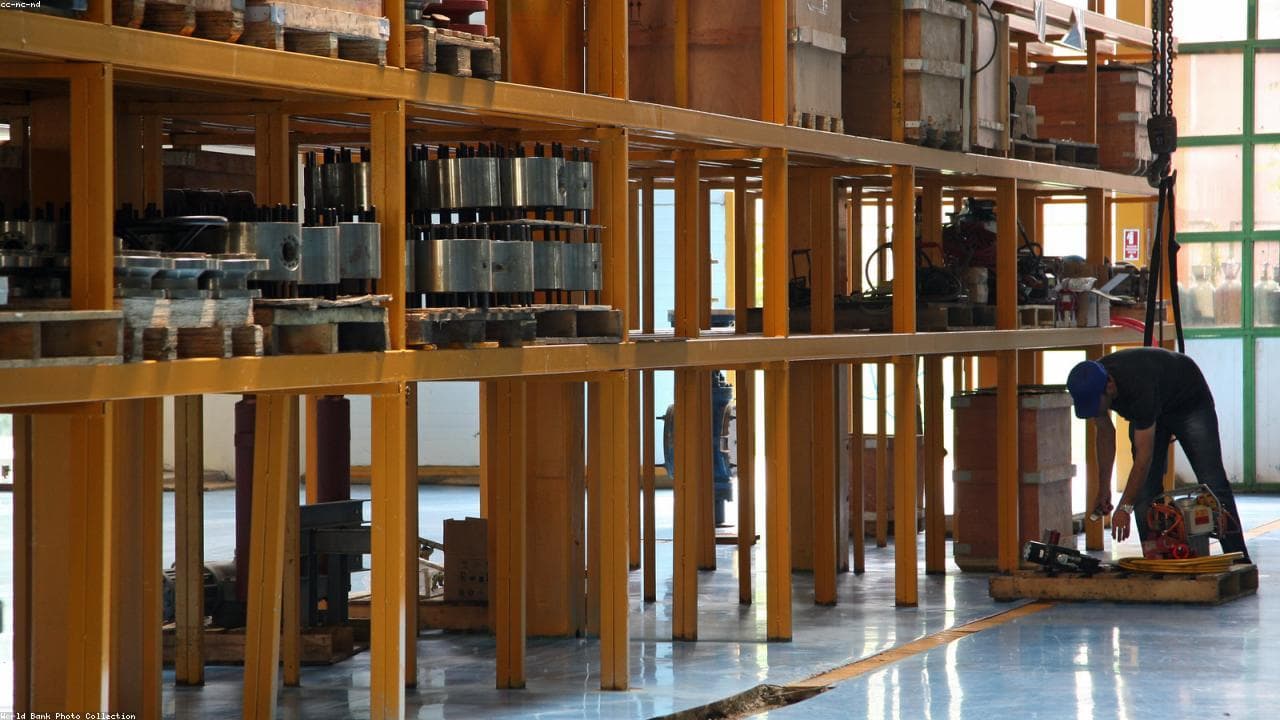
Silica & Respirable Dust drills for mining in Ahmedabad.
Book a walkthrough or start a focused pilot on your site.