
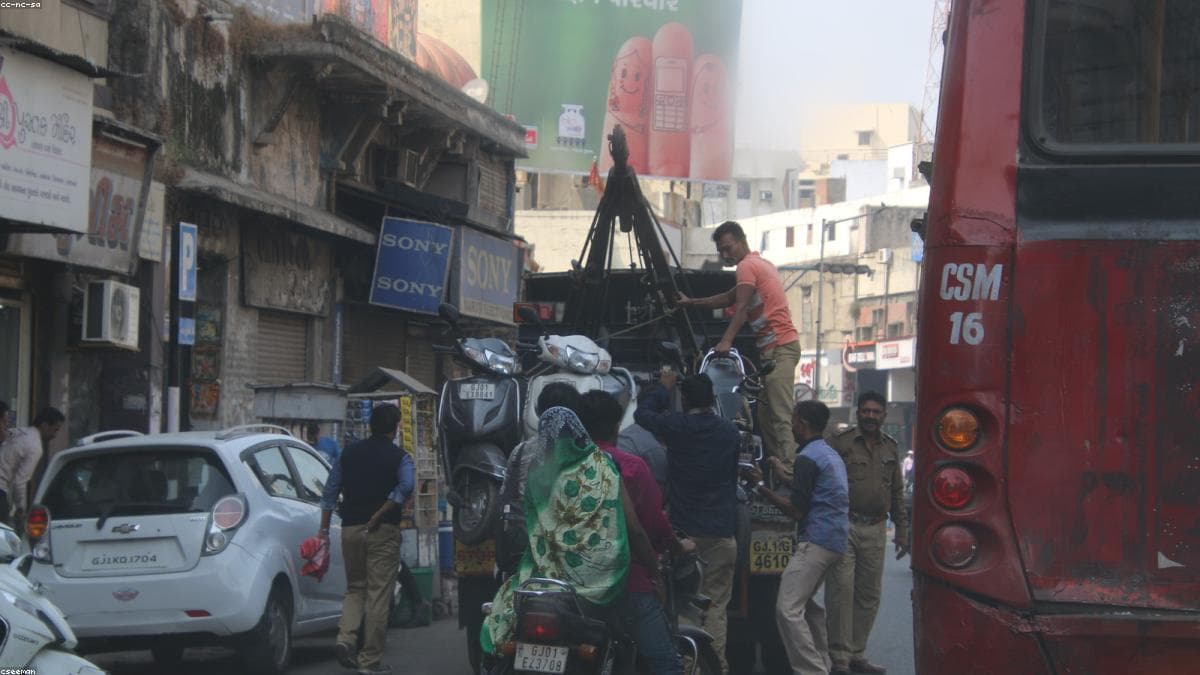
Confined Space Entry VR training for mining in Ahmedabad.
Ahmedabad, Gujarat — chemicals, pharma and textiles hub (Vatva, Naroda and Sanand industrial estates). Practise atmospheric testing, permit-to-work and rescue/standby roles for tanks, vessels and pits, the scenarios you can't safely stage.
Confined Space Entry VR training for mining in Ahmedabad
DrillXR Confined Space Entry trains the scenarios a site genuinely cannot stage safely, putting the trainee into tanks, vessels and pits where atmosphere, not visible machinery, is the killer. The simulation reproduces oxygen deficiency and toxic atmospheres, engulfment by flowing material, entrapment in a tight or sloping space, and the failed rescue that so often turns one casualty into several. The learner works the controlling procedure: issuing the entry permit, testing the atmosphere before and during entry, setting up ventilation and a standby attendant, entering with continuous monitoring, and executing a non-entry rescue if conditions deteriorate. Because the danger is invisible, the discipline of test-first and never-enter-to-rescue is exactly what the headset is built to instil.
Confined-space incidents are notorious for their casualty multiplier: a would-be rescuer rushes in without testing and is overcome by the same atmosphere. India's framework reflects the seriousness, with the Factories Act 1948 governing entry duties, OISD-GDN-182 setting confined-space practice for the oil and gas sector, and a permit-to-work system controlling who enters and under what conditions. You cannot ethically recreate an oxygen-deficient vessel to train someone, and tabletop exercises never convey why an attendant must never abandon their post. DrillXR makes the invisible visible, showing the trainee what an untested atmosphere does and rehearsing the permit, the ventilation, the monitoring and the non-entry rescue until the standby-and-test discipline holds under pressure.
Confined Space Entry training for Ahmedabad’s industrial base
Ahmedabad anchors Gujarat's diversified industrial economy, with chemicals, pharmaceuticals and textiles spread across the Vatva, Naroda and Sanand industrial estates. Vatva and Naroda are among India's oldest and densest chemical and dyestuff clusters, packed with small and mid-sized processing units, effluent-intensive operations and bulk storage. Sanand, to the city's west, has become a modern automotive and engineering hub anchored by large OEM plants and their supplier base. The result is a city where reactive-chemistry processing, textile and dye manufacturing and high-volume auto assembly all coexist, each carrying its own distinct hazard profile.
Ahmedabad's industrial mix concentrates exactly the hazards that punish undertrained workers hardest: a toxic release in a packed Vatva chemical unit, a confined-space entry into a process vessel, or a machine-handling incident on a Sanand assembly line. None of these can be rehearsed realistically on the real asset without putting people in harm's way, and classroom training leaves no objective trace of who can actually perform under pressure. VR delivers both the rehearsal and the evidence. A worker can practise substance identification, PPE selection, containment and decontamination for a spill, or atmospheric testing and permit-to-work for a vessel entry — repeatedly, with a score each time. For chemical units under MSIHC and Factories Act scrutiny, and Sanand auto suppliers under OEM audit, that assessed record is concrete, reproducible proof of competence.
Inside a confined space entry drill
The session begins outside a virtual storage vessel where the trainee must first issue and complete the entry permit, confirming the controls are in place before anyone goes near the opening. They test the atmosphere with a gas monitor, checking oxygen, flammables and toxics, and must refuse entry on a failing reading rather than proceeding. They set up forced ventilation and post a standby attendant at the entry point with the means to summon rescue. Entering with a monitor that reads continuously, the trainee performs the task while watching for a deteriorating atmosphere. When the reading drops, the scenario tests their response: an attempted entry rescue is penalised, while a correctly executed non-entry rescue, retrieving the casualty with the retrieval line from outside, is the scored success.
Mining risk in focus
Mining's failure modes are dominated by atmosphere and movement. Confined-space and gas hazards — oxygen deficiency, methane or other toxic accumulations in headings, bunkers and sumps — kill quickly and often claim would-be rescuers too. Heavy-vehicle interaction on surface operations, where dumpers and shovels share ground with light vehicles and people in poor visibility, is a persistent cause of fatalities. Rockfall and ground failure remain ever-present underground, and when an incident does escalate, a disorganised or delayed emergency egress is what turns a survivable event into a multiple-fatality disaster. Each of these is a coordination and procedure problem that a written exam cannot validate.
Go deeper on the Confined Space Entry module, VR training for mining, or all training in Ahmedabad.
The hazards drilled
- oxygen deficiency / toxic atmosphere
- engulfment
- entrapment
- failed rescue
Mining risks in Ahmedabad
- confined space & gas hazards
- heavy-vehicle interaction
- rockfall
- emergency egress
The scored procedure
- 01Issue the entry permit
- 02Test the atmosphere
- 03Set up ventilation & standby
- 04Enter with monitoring
- 05Execute non-entry rescue
Compliance mapping
Related drills for mining
Explore the Confined Space Entry module, VR training for mining, or all training in Ahmedabad.
Confined Space Entry VR training in Ahmedabad — FAQs
Why run confined space entry VR training for mining in Ahmedabad?
Ahmedabad is chemicals, pharma and textiles hub (Vatva, Naroda and Sanand industrial estates). Mining teams there face confined space & gas hazards, heavy-vehicle interaction, rockfall. DrillXR lets crews rehearse confined space entry safely and repeatably, with scored, audit-ready evidence.
What does the Confined Space Entry simulation cover?
Practise atmospheric testing, permit-to-work and rescue/standby roles for tanks, vessels and pits, the scenarios you can't safely stage. It reproduces oxygen deficiency / toxic atmosphere, engulfment, entrapment.
Which regulations apply?
Factories Act 1948; OISD-GDN-182 (confined space); permit-to-work system; Mines Act 1952; DGMS circulars; Mines Rules / Vocational Training Rules.
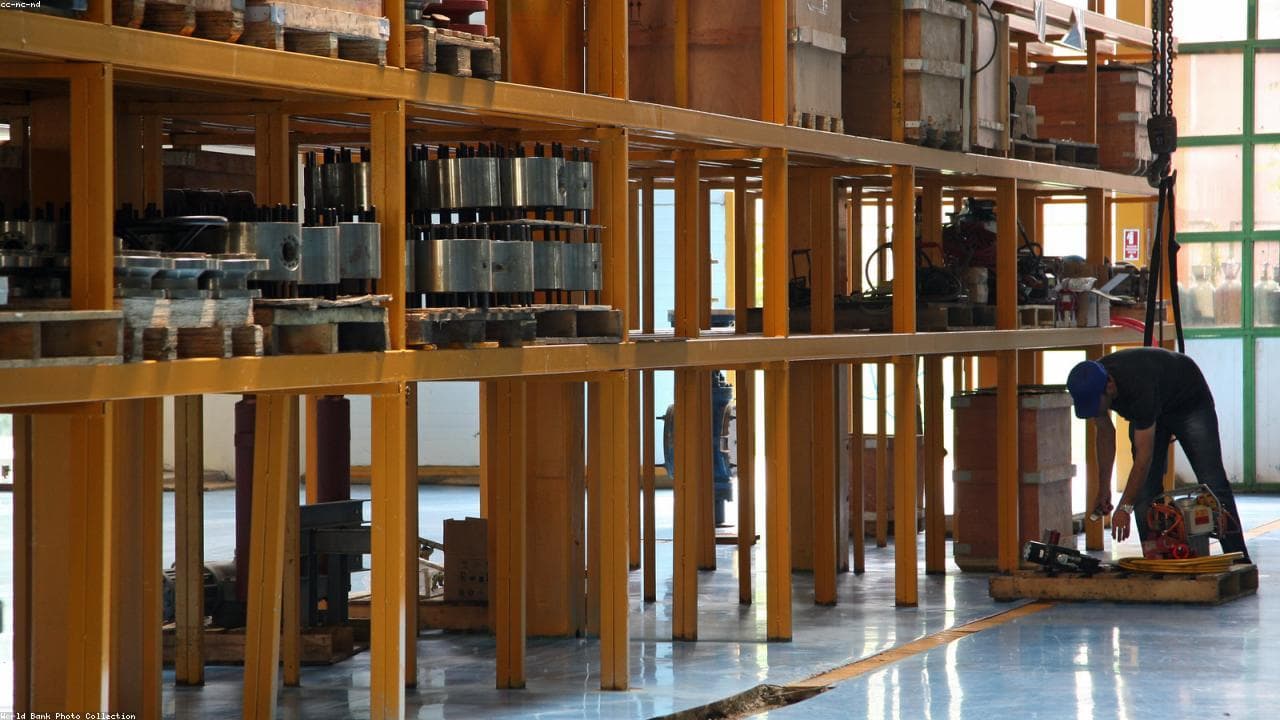
Confined Space Entry drills for mining in Ahmedabad.
Book a walkthrough or start a focused pilot on your site.