

Rope Access VR training for construction in Jamshedpur.
Jamshedpur, Jharkhand — steel and heavy-industry city (the steel and heavy-engineering belt). Drill twin-rope rigging, controlled descent and the discipline of a backup device on virtual structures, where a mis-rigged rope teaches a lesson instead of dropping a technician.
Rope Access VR training for construction in Jamshedpur
DrillXR Rope Access drills the discipline that keeps a technician alive on a rope: two independent systems, always, and a backup that engages when the working line fails. The simulation reproduces the hazards that cause rope-access fatalities: a fall from a single point of failure or a mis-rigged rope, an anchor chosen or rigged incorrectly, rope damage from a sharp edge or abrasion that severs a line under load, and suspension trauma when a technician hangs too long after a stalled descent. Inside the headset the trainee inspects their harness, ropes and devices and selects rated anchors, rigs an independent working line and backup line, transfers onto the system and confirms the backup engages, descends or ascends under control while protecting edges, and re-anchors at rebelays before a controlled exit. Because rope access lives and dies on redundancy, the headset trains the never-on-one-rope habit until it is reflex.
Rope access is a high-consequence trade, and the legal and good-practice framework in India treats it accordingly. The Factories Act 1948 carries duties for safe work at height on factory premises, OISD guidelines shape height work on petroleum installations where rope access is used on stacks, vessels and structures, and a site work-at-height permit or SOP governs every deployment. The defining failure is a lapse in redundancy, rigging onto one rope to save time, dressing an anchor poorly, or letting a working line run over an unprotected edge, and these are habits, not knowledge gaps. DrillXR lets a technician rig, transfer and descend repeatedly, and lets a mis-rig or an unprotected edge bite in simulation, so the two-rope, backup-engaged discipline is proven before anyone is exposed over a real drop.
Rope Access training for Jamshedpur’s industrial base
Jamshedpur is India's original steel city, a planned industrial town in Jharkhand built around integrated steelmaking and the heavy-engineering belt that grew up alongside it. Its economy is dominated by large-scale primary steel production, alloy and tube making, and a deep base of heavy fabrication, automotive and capital-goods engineering that supplies and surrounds the steel works. This is the heaviest end of Indian manufacturing: blast furnaces, molten-metal handling, rolling mills, overhead cranes and the kind of high-energy, high-temperature processes where the consequences of a single error are severe and immediate.
In a steel plant the hazards are not abstractions — molten metal, crane loads overhead, hot rolling lines and gas around furnaces leave almost no room for an untrained reaction. Yet you cannot practise a hot-metal emergency or a confined-vessel entry on the live asset, and classroom briefings do not build the instinct a mill or crane environment demands. VR is built for exactly this gap. DrillXR lets a worker rehearse machine isolation and lock-and-verify on a rolling line, confined-space entry into a vessel, and fire and evacuation around hot processes — repeatedly, with a score on every attempt. For Jamshedpur's integrated works and the heavy-fabrication units around them, that assessed, reproducible record holds a large, shift-based workforce to a single high safety standard and provides clear evidence for Factories Act compliance.
Inside a rope access drill
A session places the trainee at the head of a structure with a descent to complete. They begin by inspecting the harness, ropes and devices, condemning a frayed rope or a worn descender that the score credits them for catching. They select and dress rated anchors, rejecting an unrated convenient point, then rig an independent working line and a separate backup line rather than relying on one. They transfer onto the system and must confirm the backup device engages before committing their weight; transfer onto a single line and a fall is triggered and scored. Descending under control, they protect the rope where it crosses an edge, an unprotected edge abrading the line in simulation. At a rebelay they re-anchor correctly to maintain protection through the transition. The run closes with a controlled exit and a post-use inspection of the equipment.
Construction risk in focus
Construction fatalities are overwhelmingly concentrated in a handful of mechanisms. Falls from height — off scaffolds, edges, ladders and fragile roofs — are the single largest killer, usually traced to missing or misused fall-arrest equipment and wrong anchor selection. Lifting operations cause struck-by and crushing injuries when loads, exclusion zones and signalling are mismanaged. Excavation collapse buries workers in unsupported or wrongly battered trenches. Site-traffic incidents arise where plant, delivery vehicles and people share congested ground. These are split-second, physical failures that no written test can certify a worker against.
Go deeper on the Rope Access module, VR training for construction, or all training in Jamshedpur.
The hazards drilled
- fall from a single point of failure or mis-rigged rope
- incorrect anchor selection and rigging
- rope damage from sharp edges and abrasion
- suspension trauma during a stalled descent
Construction risks in Jamshedpur
- falls from height
- lifting operations
- excavation collapse
- site-traffic
The scored procedure
- 01Inspect harness, ropes and devices and select rated anchors
- 02Rig the working line and an independent backup line
- 03Transfer onto the system and confirm the backup engages
- 04Descend or ascend under control, protecting edges
- 05Re-anchor at rebelays and complete a controlled exit
Compliance mapping
Related drills for construction
Explore the Rope Access module, VR training for construction, or all training in Jamshedpur.
Rope Access VR training in Jamshedpur — FAQs
Why run rope access VR training for construction in Jamshedpur?
Jamshedpur is steel and heavy-industry city (the steel and heavy-engineering belt). Construction teams there face falls from height, lifting operations, excavation collapse. DrillXR lets crews rehearse rope access safely and repeatably, with scored, audit-ready evidence.
What does the Rope Access simulation cover?
Drill twin-rope rigging, controlled descent and the discipline of a backup device on virtual structures, where a mis-rigged rope teaches a lesson instead of dropping a technician. It reproduces fall from a single point of failure or mis-rigged rope, incorrect anchor selection and rigging, rope damage from sharp edges and abrasion.
Which regulations apply?
Factories Act 1948 (safe work at height); OISD guidelines (height work in petroleum installations); site SOP / work-at-height permit; BOCW Act 1996; Factories Act (off-site works); BIS IS 3764.
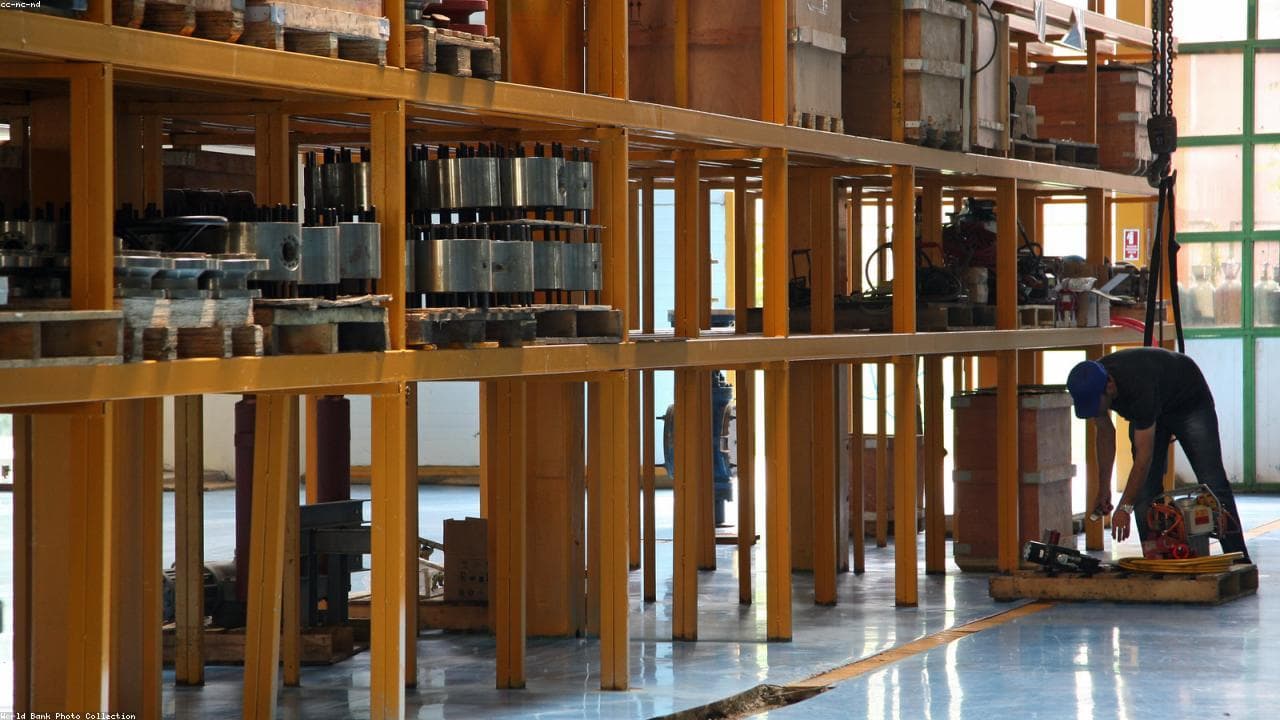
Rope Access drills for construction in Jamshedpur.
Book a walkthrough or start a focused pilot on your site.