

Respiratory Protection & SCBA VR training for chemicals in Visakhapatnam.
Visakhapatnam, Andhra Pradesh — steel, port and petrochemicals hub (the Visakhapatnam port and petro cluster). Rehearse respirator selection, fit-checking and self-contained breathing apparatus use for atmospheres you cannot safely expose a trainee to.
Respiratory Protection & SCBA VR training for chemicals in Visakhapatnam
DrillXR Respiratory Protection and SCBA trains the equipment that stands between a worker and an atmosphere that can disable them in a breath. The simulation reproduces the hazards that make respiratory protection unforgiving: the wrong respirator chosen for the contaminant, inward leakage from a poor face seal, oxygen-deficient or immediately-dangerous atmospheres, and running low on air without a planned escape. Inside the headset the worker assesses the atmosphere and selects the right respirator, inspects the respirator and self-contained breathing apparatus set, dons it and performs a seal and fit check, monitors air supply and atmosphere while working, and escapes on the low-air alarm before doffing safely. Because the right respirator and a good seal depend entirely on the hazard, the headset trains the assess-select-seal discipline that classroom theory leaves abstract.
Respiratory hazards punish guesswork, and India's framework reflects the seriousness. The Factories Act 1948 carries duties around occupational health and the control of dust and fume, the Manufacture, Storage and Import of Hazardous Chemicals Rules govern toxic substances and their handling, and a site respiratory-protection programme defines selection, fit-testing and SCBA use. The classic failure is not ignorance but a filter respirator worn into an oxygen-deficient space where only supplied air will do, or a beard breaking the seal of a tight-fitting mask. You cannot ethically expose a trainee to an IDLH atmosphere to teach them; DrillXR models the atmosphere as a visible, deteriorating hazard and lets a worker rehearse selection, sealing, monitoring and escape until the discipline holds.
Respiratory Protection & SCBA training for Visakhapatnam’s industrial base
Visakhapatnam is the industrial and maritime anchor of Andhra Pradesh, where a major deep-water port, integrated steel production and a cluster of petrochemical and process industries converge on the coast. The Visakhapatnam port — one of India's largest by cargo — drives bulk handling, container operations and terminal logistics, while the integrated steel plant and the surrounding petrochemical, refining and chemical units make the city a heavy-process hub. This combination of port operations and continuous-process industry gives Vizag a distinctive dual hazard profile: dockside lifting, traffic and confined holds on one side, and process-safety, confined vessels and hot work on the other.
Vizag's blend of port and heavy-process industry concentrates hazards that are both varied and severe: a lifting failure or hold entry at the port, a confined-vessel entry or hot-metal incident at the steel plant, a process-safety or fire event in the petro cluster. These cannot be safely staged on the real asset, and a workforce split across docks, mills and process units needs more than a generic classroom briefing. VR delivers targeted, assessed rehearsal. A dock worker can practise safe lifting and confined-hold entry, a steel operator machine isolation, and a process technician spill response and emergency coordination — each scored on every attempt. For MAH petro units and port operators answering to several regulators at once, that immersive, reproducible competence record is the strongest, most defensible evidence available.
Inside a respiratory protection & scba drill
The session begins at the boundary of a task where the atmosphere is uncertain. The trainee first assesses the conditions, identifying the contaminant or the possibility of oxygen deficiency, and selects the right respirator, refusing a filtering device where supplied air or SCBA is required. They inspect the respirator and the SCBA set, checking the cylinder pressure, the regulator and the harness. They don the set and perform a seal and fit check, confirming there is no inward leakage; a broken seal flagged correctly earns credit. Working inside the atmosphere, they monitor both the air supply and the conditions continuously. When the low-air alarm sounds, the scenario tests the escape: leaving in good time scores, while pressing on past the alarm is penalised. The run closes with a controlled doffing in clean air.
Chemicals risk in focus
Chemical-sector failure modes are process-safety driven and high-consequence. Toxic release — loss of containment of a hazardous substance — threatens workers on site and populations beyond the fence line, and demands instant correct PPE, containment and reporting. Runaway reactions, where exothermic processes exceed control, can rupture vessels and trigger fire or explosion. Confined-space entry into reactors, vessels and sumps combines toxic-atmosphere, residual-chemical and entrapment hazards. Fire and explosion from flammable inventories complete the profile. Each of these escalates in seconds and turns entirely on whether trained crews execute the right procedure under acute stress.
Go deeper on the Respiratory Protection & SCBA module, VR training for chemicals, or all training in Visakhapatnam.
The hazards drilled
- wrong respirator for the contaminant
- poor seal and inward leakage
- oxygen-deficient or IDLH atmosphere
- running low on air without escape
Chemicals risks in Visakhapatnam
- toxic release
- runaway reactions
- confined space
- fire/explosion
The scored procedure
- 01Assess the atmosphere and select the respirator
- 02Inspect the respirator and SCBA set
- 03Don and perform a seal and fit check
- 04Monitor air supply and atmosphere in use
- 05Escape on low-air alarm and doff safely
Compliance mapping
Related drills for chemicals
Explore the Respiratory Protection & SCBA module, VR training for chemicals, or all training in Visakhapatnam.
Respiratory Protection & SCBA VR training in Visakhapatnam — FAQs
Why run respiratory protection & scba VR training for chemicals in Visakhapatnam?
Visakhapatnam is steel, port and petrochemicals hub (the Visakhapatnam port and petro cluster). Chemicals teams there face toxic release, runaway reactions, confined space. DrillXR lets crews rehearse respiratory protection & scba safely and repeatably, with scored, audit-ready evidence.
What does the Respiratory Protection & SCBA simulation cover?
Rehearse respirator selection, fit-checking and self-contained breathing apparatus use for atmospheres you cannot safely expose a trainee to. It reproduces wrong respirator for the contaminant, poor seal and inward leakage, oxygen-deficient or IDLH atmosphere.
Which regulations apply?
Factories Act 1948 (occupational health and dust/fume control); Manufacture, Storage & Import of Hazardous Chemicals Rules; site respiratory-protection programme and OH&S plan; MSIHC Rules; Factories Act 1948 (MAH units); PESO.
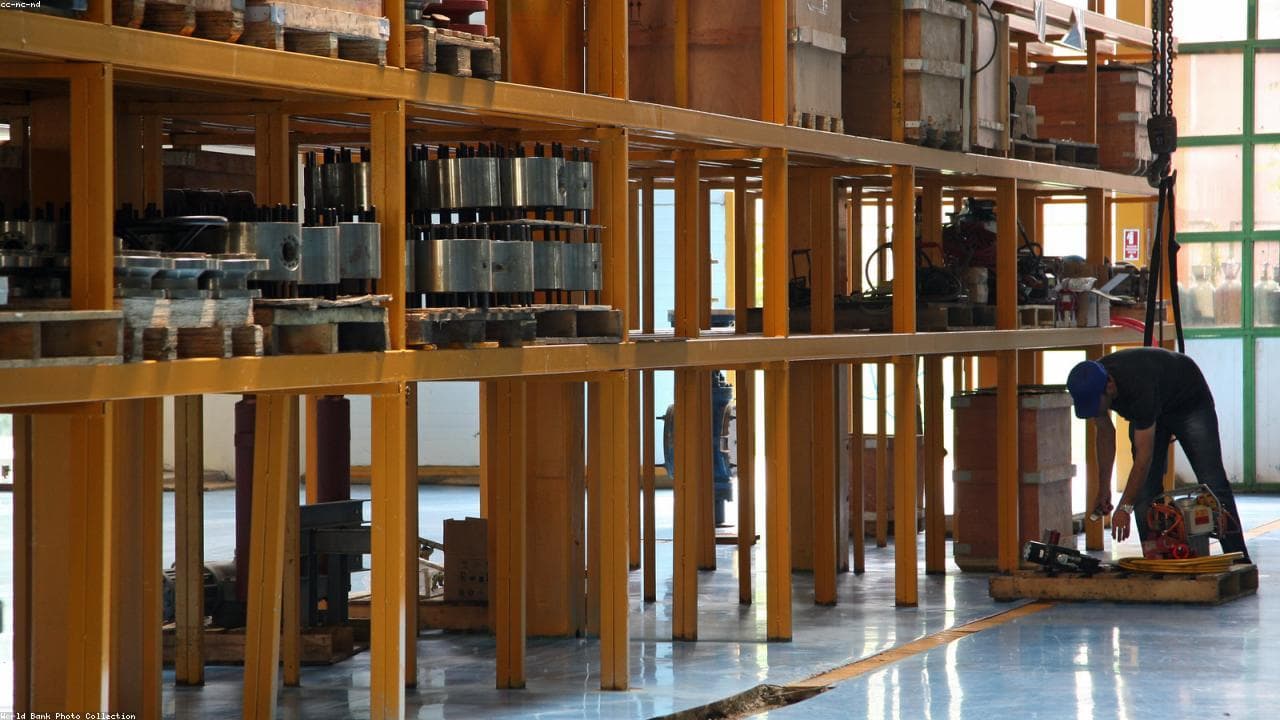
Respiratory Protection & SCBA drills for chemicals in Visakhapatnam.
Book a walkthrough or start a focused pilot on your site.