

Process Safety Management VR training for oil & gas in Delhi NCR.
Delhi NCR, Delhi NCR — auto, electronics and manufacturing belt (Manesar, Faridabad and Noida clusters). Drill the operating-discipline core of PSM — safe operating limits, management of change, permits and abnormal-condition response — in a virtual process unit.
Process Safety Management VR training for oil & gas in Delhi NCR
DrillXR Process Safety Management trains the operating discipline at the heart of PSM: keeping a process inside its safe limits, controlling change, and responding correctly when conditions go abnormal. The simulation reproduces the failures that cause major process incidents: operating outside the safe operating limits, an uncontrolled change to plant or process, a loss of containment that can escalate to a runaway condition, and the permit and procedure shortcuts that creep in under production pressure. Inside the headset the operator confirms the safe operating limits and conditions, verifies that procedures and permits are in place, monitors for abnormal or upset conditions, applies management of change before acting on any modification, and responds, isolates and escalates safely when an upset develops. Because process incidents grow from small deviations that were normalised, the headset trains the worker to treat limits, change control and abnormal conditions as decisions rather than formalities.
Process-safety events are low in frequency but catastrophic in consequence, and India's framework holds major-hazard operators to a high bar. The Factories Act 1948 places specific duties on major-accident-hazard units, including a statutory on-site emergency plan, the Manufacture, Storage and Import of Hazardous Chemicals (MSIHC) Rules 1989 govern the storage and handling of hazardous chemicals and the management of major-accident hazards, and OISD standards shape process-safety practice across the petroleum and gas sector. The classic incident is not a single dramatic error but an accumulation: a limit quietly exceeded, a change made without assessment, an alarm normalised until it is ignored. DrillXR lets operators rehearse confirming limits, applying management of change, and reacting to an upset in the headset, so process-safety discipline holds when the real unit drifts toward an edge.
Process Safety Management training for Delhi NCR’s industrial base
Delhi NCR is North India's largest manufacturing engine, built around three powerful sub-clusters: Manesar in Haryana, with its automotive OEMs and tier-one supplier base; Faridabad, a long-established heavy-engineering, machinery and auto-component belt; and Noida, with its electronics, appliance and light-manufacturing concentration. Together they form a sprawling, multi-state industrial region where car and two-wheeler assembly, forging and machining, electronics production and large-scale warehousing operate side by side. The workforce is enormous, heavily contract and migrant, and rotates frequently — making consistent safety competence a region-wide challenge rather than a single-plant one.
The scale and churn of NCR's workforce make training consistency the core problem: a Manesar supplier or a Faridabad engineering unit is constantly inducting new, often contract, operators, and a slide-and-signature induction guarantees neither competence nor evidence of it. VR fixes both. A new operator can rehearse a forklift pedestrian near-miss, a press lockout or a line-side evacuation in the headset until the response is reflexive, and the plant captures a score for every attempt regardless of who the worker is or when they started. For OEM-audited suppliers around Manesar and for multi-site operators spread across Haryana, Delhi and Noida, that assessed, repeatable record lets them hold a vast and mobile workforce to one measurable safety standard — and prove it to whichever state regulator and customer comes calling.
Inside a process safety management drill
The session places the operator at a virtual process unit running within normal parameters. They begin by confirming the safe operating limits and current conditions, establishing what normal looks like and where the boundaries lie. They verify that the procedures and permits for the planned activity are in place, and proceeding on a shortcut without the required permit is logged. As the scenario develops, an abnormal condition emerges, a rising pressure, a temperature excursion, or a level deviation, and the operator must monitor and recognise it as an upset rather than normalising it. When a change to the process is called for, they must apply management of change, assessing the modification before acting rather than adjusting on the fly. As the upset progresses, the operator responds by isolating the affected section and escalating per the emergency plan; delaying the response or pushing past a limit lets the simulation demonstrate the loss of containment that follows.
Oil & Gas risk in focus
Oil and gas failure modes are process-driven and unforgiving. Process-safety events — loss of containment, runaway pressure or temperature, ignition of a release — are the headline catastrophic risk. H2S exposure can incapacitate or kill within seconds and demands instant, correct PPE and rescue behaviour. Hot-work ignition occurs when a permit fails to account for residual hydrocarbons or inadequate gas testing near welding and cutting. Confined-space entry into tanks, vessels and sumps combines toxic-atmosphere, engulfment and entrapment hazards with the recurring tragedy of untrained rescuers becoming the next casualties. Every one of these turns on procedure discipline under stress.
Go deeper on the Process Safety Management module, VR training for oil & gas, or all training in Delhi NCR.
The hazards drilled
- operating outside safe limits
- uncontrolled change to plant or process
- loss of containment & runaway conditions
- permit and procedure shortcuts under pressure
Oil & Gas risks in Delhi NCR
- process-safety events
- H2S exposure
- hot-work ignition
- confined-space entry
The scored procedure
- 01Confirm safe operating limits and conditions
- 02Verify procedures and permits in place
- 03Monitor for abnormal or upset conditions
- 04Apply management of change before acting
- 05Respond, isolate and escalate safely
Compliance mapping
Related drills for oil & gas
Explore the Process Safety Management module, VR training for oil & gas, or all training in Delhi NCR.
Process Safety Management VR training in Delhi NCR — FAQs
Why run process safety management VR training for oil & gas in Delhi NCR?
Delhi NCR is auto, electronics and manufacturing belt (Manesar, Faridabad and Noida clusters). Oil & Gas teams there face process-safety events, H2S exposure, hot-work ignition. DrillXR lets crews rehearse process safety management safely and repeatably, with scored, audit-ready evidence.
What does the Process Safety Management simulation cover?
Drill the operating-discipline core of PSM — safe operating limits, management of change, permits and abnormal-condition response — in a virtual process unit. It reproduces operating outside safe limits, uncontrolled change to plant or process, loss of containment & runaway conditions.
Which regulations apply?
Factories Act 1948 (MAH units & on-site emergency plan); Manufacture, Storage & Import of Hazardous Chemicals (MSIHC) Rules 1989; OISD standards (process-safety practice); OISD standards; PESO (explosives/pressure); Factories Act 1948.
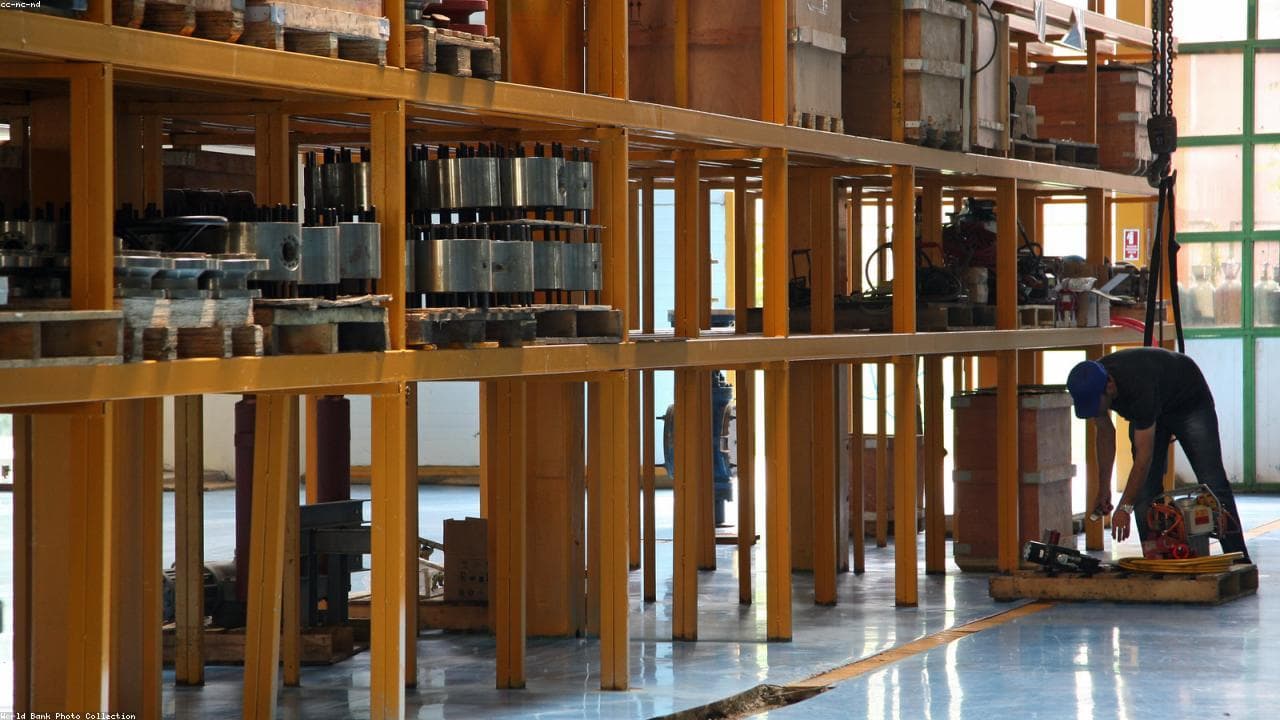
Process Safety Management drills for oil & gas in Delhi NCR.
Book a walkthrough or start a focused pilot on your site.