

Pressure Systems & Vessels VR training for chemicals in Delhi NCR.
Delhi NCR, Delhi NCR — auto, electronics and manufacturing belt (Manesar, Faridabad and Noida clusters). Train safe operation, draining and depressurisation of pressure vessels and systems on a virtual rig before anyone breaks containment on a live one.
Pressure Systems & Vessels VR training for chemicals in Delhi NCR
DrillXR Pressure Systems and Vessels trains operators and maintenance staff to work on pressurised equipment without releasing the stored energy that makes a vessel dangerous. The simulation reproduces the hazards that cause pressure-system incidents: the sudden release of stored energy when a vessel is opened while still under pressure, an overpressure event when a relief device fails or is isolated, trapped pressure left in a section that looked isolated, and the release of stored gas or liquefied gas that flashes off when containment is broken. Inside the headset the trainee verifies the system and the status of its relief devices, isolates and locks the section to be worked, depressurises and drains it to a safe point, confirms a true zero-pressure state before breaking containment, and reinstates, leak-checks and returns the system to service. Because the killer is invisible stored pressure, the headset trains the prove-zero-before-you-open discipline.
Pressure equipment is governed closely in India because a failure is sudden and severe. The Static and Mobile Pressure Vessels (Unfired) Rules 2016, administered by the Petroleum and Explosives Safety Organisation, govern the design, examination and safe operation of pressure vessels storing compressed and liquefied gases, the Factories Act 1948 carries the underlying duty of care for pressure plant on the premises, and serious operators run a written scheme of examination for their pressure systems. The classic incident is not ignorance but a shortcut: cracking a flange on a line assumed to be vented, or isolating a relief valve to stop it lifting. A classroom cannot let a worker feel a flange let go under trapped pressure; DrillXR lets them make and correct that mistake in a virtual rig where the only cost is a lower score.
Pressure Systems & Vessels training for Delhi NCR’s industrial base
Delhi NCR is North India's largest manufacturing engine, built around three powerful sub-clusters: Manesar in Haryana, with its automotive OEMs and tier-one supplier base; Faridabad, a long-established heavy-engineering, machinery and auto-component belt; and Noida, with its electronics, appliance and light-manufacturing concentration. Together they form a sprawling, multi-state industrial region where car and two-wheeler assembly, forging and machining, electronics production and large-scale warehousing operate side by side. The workforce is enormous, heavily contract and migrant, and rotates frequently — making consistent safety competence a region-wide challenge rather than a single-plant one.
The scale and churn of NCR's workforce make training consistency the core problem: a Manesar supplier or a Faridabad engineering unit is constantly inducting new, often contract, operators, and a slide-and-signature induction guarantees neither competence nor evidence of it. VR fixes both. A new operator can rehearse a forklift pedestrian near-miss, a press lockout or a line-side evacuation in the headset until the response is reflexive, and the plant captures a score for every attempt regardless of who the worker is or when they started. For OEM-audited suppliers around Manesar and for multi-site operators spread across Haryana, Delhi and Noida, that assessed, repeatable record lets them hold a vast and mobile workforce to one measurable safety standard — and prove it to whichever state regulator and customer comes calling.
Inside a pressure systems & vessels drill
The session begins at a virtual pressure vessel and its associated pipework with a maintenance task that requires breaking into the system. The trainee first verifies the system and checks the status of its relief devices, confirming a relief valve has not been isolated or gagged. They isolate the section to be worked and apply their personal lock to each isolation point, rather than stopping at a single valve. They depressurise the section and drain it to a safe point, venting to a controlled location. Crucially they then confirm a true zero-pressure state, checking the gauge and the vent before touching a joint; skip this and the simulation demonstrates a stored-energy release as the flange is cracked. With the task done they reinstate the joints, carry out a leak check and return the system to service in a controlled way. An assumed-vented line or an isolated relief device each register against the score.
Chemicals risk in focus
Chemical-sector failure modes are process-safety driven and high-consequence. Toxic release — loss of containment of a hazardous substance — threatens workers on site and populations beyond the fence line, and demands instant correct PPE, containment and reporting. Runaway reactions, where exothermic processes exceed control, can rupture vessels and trigger fire or explosion. Confined-space entry into reactors, vessels and sumps combines toxic-atmosphere, residual-chemical and entrapment hazards. Fire and explosion from flammable inventories complete the profile. Each of these escalates in seconds and turns entirely on whether trained crews execute the right procedure under acute stress.
Go deeper on the Pressure Systems & Vessels module, VR training for chemicals, or all training in Delhi NCR.
The hazards drilled
- stored-energy release on opening under pressure
- overpressure & relief-valve failure
- trapped pressure in isolated sections
- stored gas / liquefied-gas release
Chemicals risks in Delhi NCR
- toxic release
- runaway reactions
- confined space
- fire/explosion
The scored procedure
- 01Verify the system & relief-device status
- 02Isolate and lock the section to be worked
- 03Depressurise and drain to a safe point
- 04Confirm zero pressure before breaking containment
- 05Reinstate, leak-check and return to service
Compliance mapping
Related drills for chemicals
Explore the Pressure Systems & Vessels module, VR training for chemicals, or all training in Delhi NCR.
Pressure Systems & Vessels VR training in Delhi NCR — FAQs
Why run pressure systems & vessels VR training for chemicals in Delhi NCR?
Delhi NCR is auto, electronics and manufacturing belt (Manesar, Faridabad and Noida clusters). Chemicals teams there face toxic release, runaway reactions, confined space. DrillXR lets crews rehearse pressure systems & vessels safely and repeatably, with scored, audit-ready evidence.
What does the Pressure Systems & Vessels simulation cover?
Train safe operation, draining and depressurisation of pressure vessels and systems on a virtual rig before anyone breaks containment on a live one. It reproduces stored-energy release on opening under pressure, overpressure & relief-valve failure, trapped pressure in isolated sections.
Which regulations apply?
Static & Mobile Pressure Vessels (Unfired) Rules 2016 (PESO); Factories Act 1948 (pressure plant safety); site pressure-system written scheme of examination; MSIHC Rules; Factories Act 1948 (MAH units); PESO.
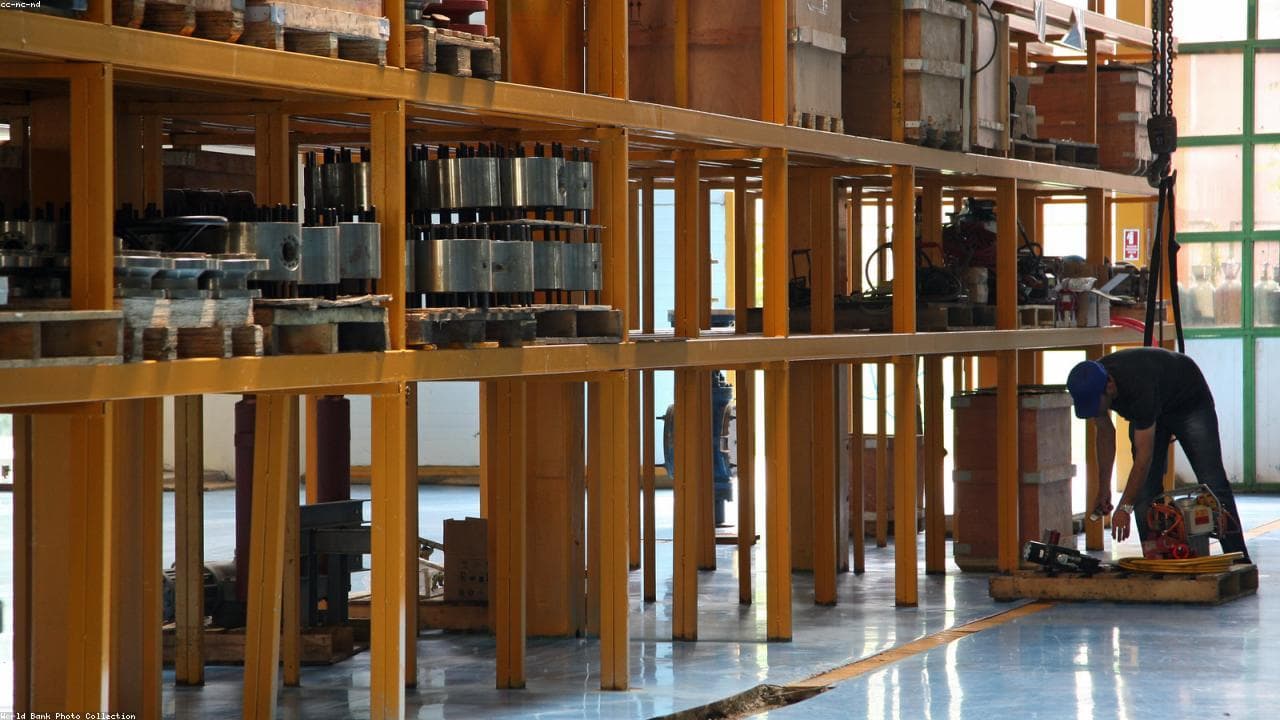
Pressure Systems & Vessels drills for chemicals in Delhi NCR.
Book a walkthrough or start a focused pilot on your site.