

Permit-to-Work System VR training for construction in Jamshedpur.
Jamshedpur, Jharkhand — steel and heavy-industry city (the steel and heavy-engineering belt). Drill the permit-to-work lifecycle, raise, authorise, control, hand back and close, across roles on a virtual site so the paper discipline holds under real pressure.
Permit-to-Work System VR training for construction in Jamshedpur
DrillXR Permit-to-Work System is a multiplayer, role-based exercise that drills the permit lifecycle the way it actually works on a hazardous site, across the people who raise, authorise, control and close it. Several trainees share one virtual site and play the real roles, applicant, authoriser, isolating authority and performing worker, as a high-risk job is set up under permit. The simulation reproduces the failures that cause permit-related incidents: work started without a valid permit in hand, conflicting or overlapping permits on the same equipment, isolations or precautions specified but never actually applied, and a permit that is never closed or handed back so the equipment is returned to service with people still working. The team works the procedure together, raising and defining the scope of work, assessing hazards and specifying controls, authorising and issuing the permit, monitoring the work and conditions, and handing back, closing and cross-checking permits at the end.
Permit-to-work is the administrative control that holds the highest-risk jobs together, and it fails at the handoffs between people rather than in any single head. The Factories Act 1948 places occupier duties to provide safe systems of work, of which the permit system is the formal expression, OISD permit-to-work guidance sets the practice expected across the oil and gas sector, and a site permit-to-work SOP and HIRA define the roles, the precautions and the cross-checks. The classic incident is a job started on a verbally approved but unissued permit, or two crews working the same line under permits that nobody cross-checked. DrillXR puts a real team into a shared permit scenario where those handoff failures surface, the unissued permit, the conflicting isolation, the unclosed hand-back, and lets them correct the discipline without staging the hazardous job for real.
Permit-to-Work System training for Jamshedpur’s industrial base
Jamshedpur is India's original steel city, a planned industrial town in Jharkhand built around integrated steelmaking and the heavy-engineering belt that grew up alongside it. Its economy is dominated by large-scale primary steel production, alloy and tube making, and a deep base of heavy fabrication, automotive and capital-goods engineering that supplies and surrounds the steel works. This is the heaviest end of Indian manufacturing: blast furnaces, molten-metal handling, rolling mills, overhead cranes and the kind of high-energy, high-temperature processes where the consequences of a single error are severe and immediate.
In a steel plant the hazards are not abstractions — molten metal, crane loads overhead, hot rolling lines and gas around furnaces leave almost no room for an untrained reaction. Yet you cannot practise a hot-metal emergency or a confined-vessel entry on the live asset, and classroom briefings do not build the instinct a mill or crane environment demands. VR is built for exactly this gap. DrillXR lets a worker rehearse machine isolation and lock-and-verify on a rolling line, confined-space entry into a vessel, and fire and evacuation around hot processes — repeatedly, with a score on every attempt. For Jamshedpur's integrated works and the heavy-fabrication units around them, that assessed, reproducible record holds a large, shift-based workforce to a single high safety standard and provides clear evidence for Factories Act compliance.
Inside a permit-to-work system drill
Several trainees enter a shared virtual site to set up a high-risk job under permit, each taking a role in the chain. The applicant raises the permit and defines the scope of work, and a vague or overreaching scope is challenged. Together the team assesses the hazards and specifies the controls, drawing on the HIRA, and a missing precaution is flagged. The authoriser reviews and issues the permit only when the controls are confirmed in place; a job started on an unissued permit is penalised, as is an isolation specified but never actually applied. With the permit live, the team monitors the work and the conditions, and the scenario can introduce a second crew requesting a conflicting permit on the same equipment, which the participants must detect and resolve rather than allow. The drill closes with a structured hand-back: the work is confirmed complete, the permit is closed, and all related permits are cross-checked before the equipment is returned to service.
Construction risk in focus
Construction fatalities are overwhelmingly concentrated in a handful of mechanisms. Falls from height — off scaffolds, edges, ladders and fragile roofs — are the single largest killer, usually traced to missing or misused fall-arrest equipment and wrong anchor selection. Lifting operations cause struck-by and crushing injuries when loads, exclusion zones and signalling are mismanaged. Excavation collapse buries workers in unsupported or wrongly battered trenches. Site-traffic incidents arise where plant, delivery vehicles and people share congested ground. These are split-second, physical failures that no written test can certify a worker against.
Go deeper on the Permit-to-Work System module, VR training for construction, or all training in Jamshedpur.
The hazards drilled
- work started without a valid permit
- conflicting or overlapping permits
- missing isolations or precautions
- permit not closed or handed back
Construction risks in Jamshedpur
- falls from height
- lifting operations
- excavation collapse
- site-traffic
The scored procedure
- 01Raise and define the scope of work
- 02Assess hazards and specify controls
- 03Authorise and issue the permit
- 04Monitor the work and conditions
- 05Hand back, close and cross-check permits
Compliance mapping
Related drills for construction
Explore the Permit-to-Work System module, VR training for construction, or all training in Jamshedpur.
Permit-to-Work System VR training in Jamshedpur — FAQs
Why run permit-to-work system VR training for construction in Jamshedpur?
Jamshedpur is steel and heavy-industry city (the steel and heavy-engineering belt). Construction teams there face falls from height, lifting operations, excavation collapse. DrillXR lets crews rehearse permit-to-work system safely and repeatably, with scored, audit-ready evidence.
What does the Permit-to-Work System simulation cover?
Drill the permit-to-work lifecycle, raise, authorise, control, hand back and close, across roles on a virtual site so the paper discipline holds under real pressure. It reproduces work started without a valid permit, conflicting or overlapping permits, missing isolations or precautions.
Which regulations apply?
Factories Act 1948 (safe systems of work); OISD permit-to-work guidance; site permit-to-work SOP & HIRA; BOCW Act 1996; Factories Act (off-site works); BIS IS 3764.
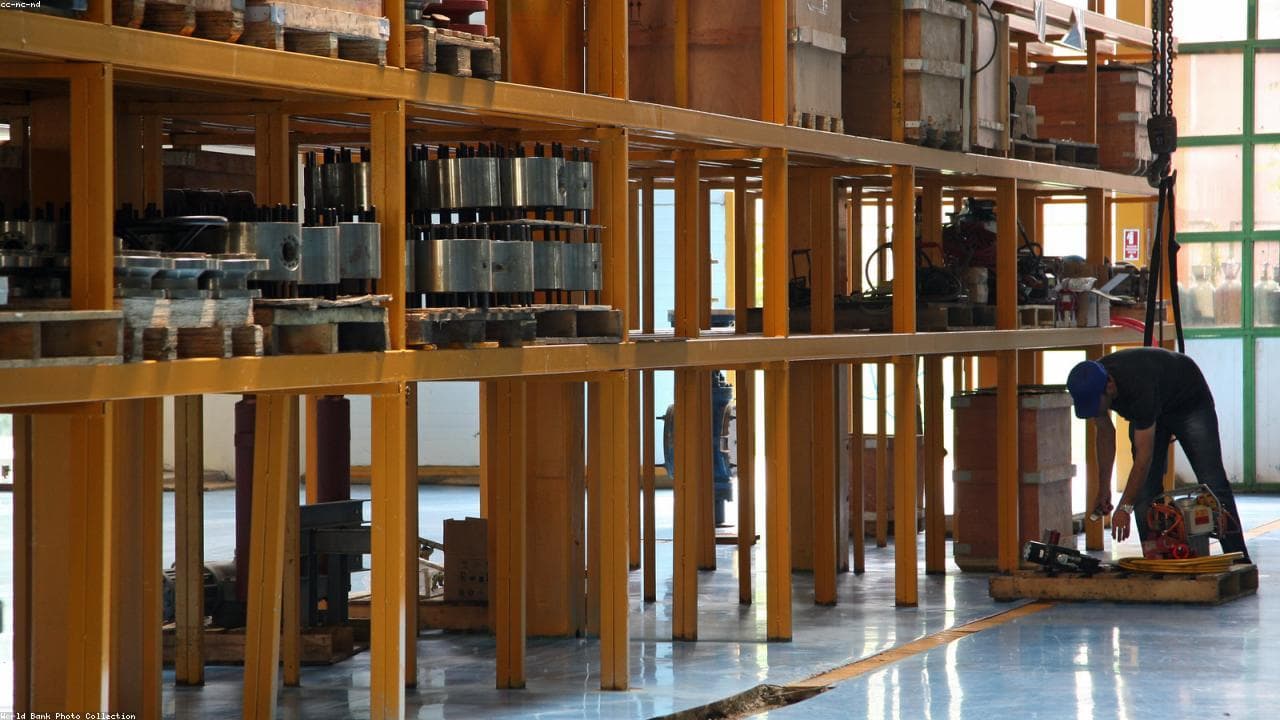
Permit-to-Work System drills for construction in Jamshedpur.
Book a walkthrough or start a focused pilot on your site.