

Permit-to-Work System VR training for chemicals in Bengaluru.
Bengaluru, Karnataka — aerospace, machinery and manufacturing hub (Peenya and Bommasandra industrial areas). Drill the permit-to-work lifecycle, raise, authorise, control, hand back and close, across roles on a virtual site so the paper discipline holds under real pressure.
Permit-to-Work System VR training for chemicals in Bengaluru
DrillXR Permit-to-Work System is a multiplayer, role-based exercise that drills the permit lifecycle the way it actually works on a hazardous site, across the people who raise, authorise, control and close it. Several trainees share one virtual site and play the real roles, applicant, authoriser, isolating authority and performing worker, as a high-risk job is set up under permit. The simulation reproduces the failures that cause permit-related incidents: work started without a valid permit in hand, conflicting or overlapping permits on the same equipment, isolations or precautions specified but never actually applied, and a permit that is never closed or handed back so the equipment is returned to service with people still working. The team works the procedure together, raising and defining the scope of work, assessing hazards and specifying controls, authorising and issuing the permit, monitoring the work and conditions, and handing back, closing and cross-checking permits at the end.
Permit-to-work is the administrative control that holds the highest-risk jobs together, and it fails at the handoffs between people rather than in any single head. The Factories Act 1948 places occupier duties to provide safe systems of work, of which the permit system is the formal expression, OISD permit-to-work guidance sets the practice expected across the oil and gas sector, and a site permit-to-work SOP and HIRA define the roles, the precautions and the cross-checks. The classic incident is a job started on a verbally approved but unissued permit, or two crews working the same line under permits that nobody cross-checked. DrillXR puts a real team into a shared permit scenario where those handoff failures surface, the unissued permit, the conflicting isolation, the unclosed hand-back, and lets them correct the discipline without staging the hazardous job for real.
Permit-to-Work System training for Bengaluru’s industrial base
Beyond its software reputation, Bengaluru carries a substantial hard-manufacturing economy concentrated in the Peenya and Bommasandra industrial areas. Peenya, one of Asia's largest industrial estates, is a dense grid of machinery, machine-tool, electrical-equipment and precision-engineering units. Bommasandra to the south blends general manufacturing with pharma and electronics. Layered over this is Bengaluru's aerospace and defence manufacturing base — public-sector heavyweights and a growing private supplier ecosystem producing high-precision, high-consequence components. The city's industrial workforce is large, skilled and shift-based, spread across thousands of small and mid-sized units.
Bengaluru's machinery-heavy base makes machine-interaction the defining hazard: an unguarded nip point, a defeated interlock, or a machine that restarts during maintenance because isolation was incomplete. These failures are sudden and severe, and they are not reliably prevented by a slide deck. VR builds the right reflexes. In the headset an operator identifies guards and interlocks, confirms safe-stop, and practises lock-and-verify before access until the sequence is automatic — and the system scores every attempt. For Peenya's thousands of engineering units and Bommasandra's manufacturers, and especially for aerospace and defence suppliers whose customers demand documented competence, that assessed, repeatable record is far more credible than an attendance register. It also lets a multi-unit operator hold every site and every shift to the same measurable safety standard.
Inside a permit-to-work system drill
Several trainees enter a shared virtual site to set up a high-risk job under permit, each taking a role in the chain. The applicant raises the permit and defines the scope of work, and a vague or overreaching scope is challenged. Together the team assesses the hazards and specifies the controls, drawing on the HIRA, and a missing precaution is flagged. The authoriser reviews and issues the permit only when the controls are confirmed in place; a job started on an unissued permit is penalised, as is an isolation specified but never actually applied. With the permit live, the team monitors the work and the conditions, and the scenario can introduce a second crew requesting a conflicting permit on the same equipment, which the participants must detect and resolve rather than allow. The drill closes with a structured hand-back: the work is confirmed complete, the permit is closed, and all related permits are cross-checked before the equipment is returned to service.
Chemicals risk in focus
Chemical-sector failure modes are process-safety driven and high-consequence. Toxic release — loss of containment of a hazardous substance — threatens workers on site and populations beyond the fence line, and demands instant correct PPE, containment and reporting. Runaway reactions, where exothermic processes exceed control, can rupture vessels and trigger fire or explosion. Confined-space entry into reactors, vessels and sumps combines toxic-atmosphere, residual-chemical and entrapment hazards. Fire and explosion from flammable inventories complete the profile. Each of these escalates in seconds and turns entirely on whether trained crews execute the right procedure under acute stress.
Go deeper on the Permit-to-Work System module, VR training for chemicals, or all training in Bengaluru.
The hazards drilled
- work started without a valid permit
- conflicting or overlapping permits
- missing isolations or precautions
- permit not closed or handed back
Chemicals risks in Bengaluru
- toxic release
- runaway reactions
- confined space
- fire/explosion
The scored procedure
- 01Raise and define the scope of work
- 02Assess hazards and specify controls
- 03Authorise and issue the permit
- 04Monitor the work and conditions
- 05Hand back, close and cross-check permits
Compliance mapping
Related drills for chemicals
Explore the Permit-to-Work System module, VR training for chemicals, or all training in Bengaluru.
Permit-to-Work System VR training in Bengaluru — FAQs
Why run permit-to-work system VR training for chemicals in Bengaluru?
Bengaluru is aerospace, machinery and manufacturing hub (Peenya and Bommasandra industrial areas). Chemicals teams there face toxic release, runaway reactions, confined space. DrillXR lets crews rehearse permit-to-work system safely and repeatably, with scored, audit-ready evidence.
What does the Permit-to-Work System simulation cover?
Drill the permit-to-work lifecycle, raise, authorise, control, hand back and close, across roles on a virtual site so the paper discipline holds under real pressure. It reproduces work started without a valid permit, conflicting or overlapping permits, missing isolations or precautions.
Which regulations apply?
Factories Act 1948 (safe systems of work); OISD permit-to-work guidance; site permit-to-work SOP & HIRA; MSIHC Rules; Factories Act 1948 (MAH units); PESO.
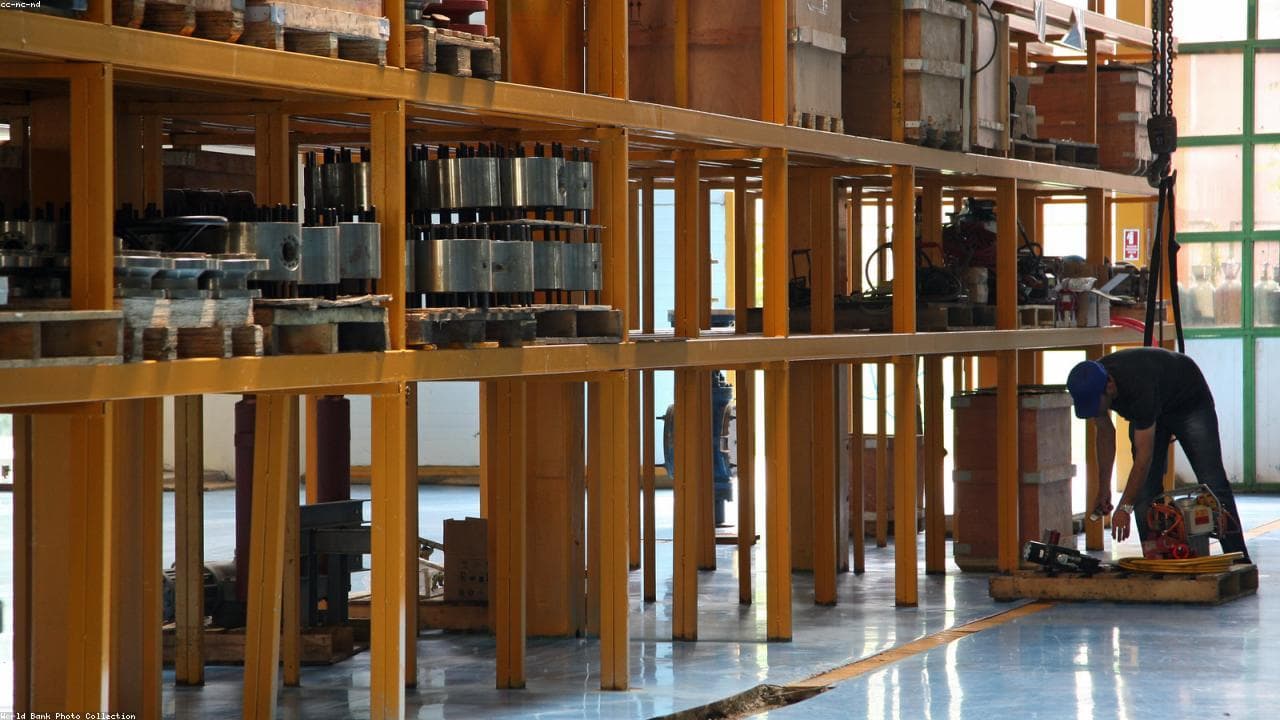
Permit-to-Work System drills for chemicals in Bengaluru.
Book a walkthrough or start a focused pilot on your site.