
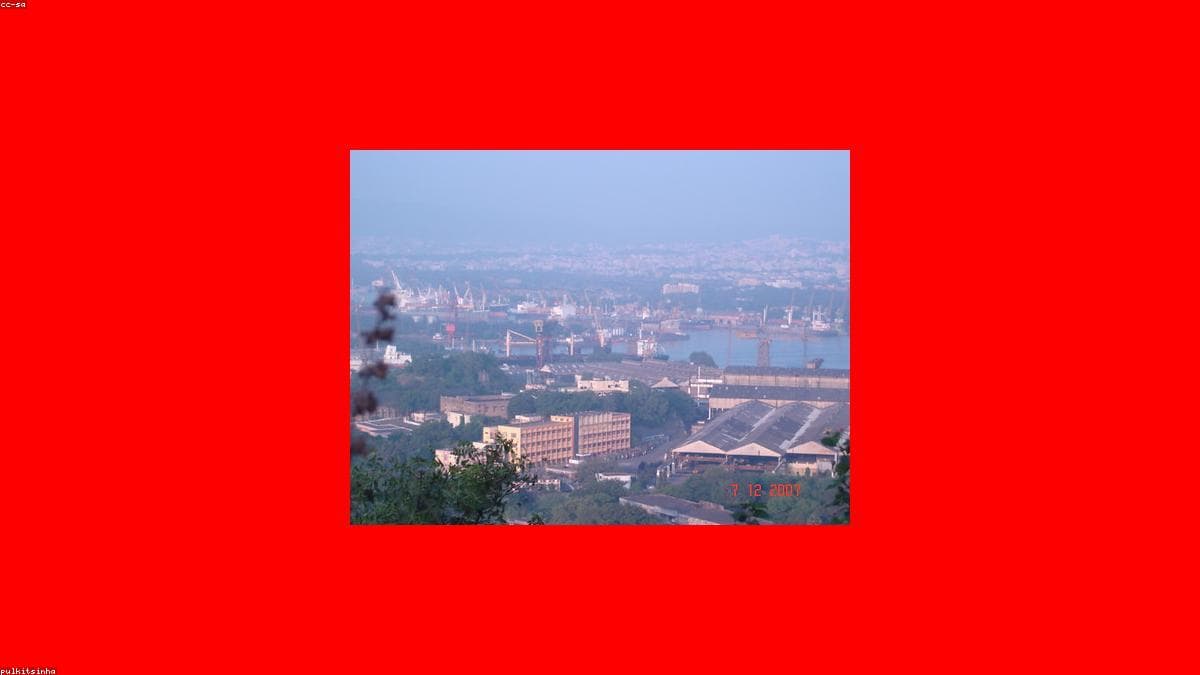
Mine Gas & Ventilation VR training for mining in Visakhapatnam.
Visakhapatnam, Andhra Pradesh — steel, port and petrochemicals hub (the Visakhapatnam port and petro cluster). Drill gas testing, ventilation checks and response to methane or carbon-monoxide build-up in an underground mine.
Mine Gas & Ventilation VR training for mining in Visakhapatnam
DrillXR Mine Gas and Ventilation trains the underground discipline that keeps an explosive or suffocating atmosphere from going unnoticed until it is too late. The simulation reproduces the hazards that make mine air a killer: methane accumulating toward an explosive concentration, carbon monoxide and oxygen deficiency that overcome a worker silently, a ventilation failure or short-circuit that lets bad air collect, and an ignition source brought into a flammable atmosphere. Inside the headset the trainee tests the atmosphere before entering a district, checks the ventilation flow and the integrity of air-crossings and stoppings, interprets the gas readings against statutory limits, controls or withdraws on a dangerous accumulation, and reports and re-tests before any work resumes. Because the danger is invisible, the test-first and trust-the-numbers discipline is exactly what the headset is built to instil.
Mine gas incidents are catastrophic and historically the cause of the worst disasters underground, and India's framework reflects that gravity. The Mines Act 1952 and DGMS govern ventilation standards and the duty to test for gas, the Coal Mines Regulations 2017 set out gas-monitoring requirements, ventilation provisions and the statutory limits at which work must stop, and every mine runs its own ventilation and gas-testing standard operating procedure. The fatal failure is rarely ignorance; it is a worker who enters a district without testing because it was clear yesterday, or who reads a rising methane figure and carries on. DrillXR makes the invisible visible, showing a trainee what a rising gas reading and a failing ventilation circuit actually mean, and rehearsing the test, the interpretation and the withdrawal until the discipline holds before a worker is sent underground.
Mine Gas & Ventilation training for Visakhapatnam’s industrial base
Visakhapatnam is the industrial and maritime anchor of Andhra Pradesh, where a major deep-water port, integrated steel production and a cluster of petrochemical and process industries converge on the coast. The Visakhapatnam port — one of India's largest by cargo — drives bulk handling, container operations and terminal logistics, while the integrated steel plant and the surrounding petrochemical, refining and chemical units make the city a heavy-process hub. This combination of port operations and continuous-process industry gives Vizag a distinctive dual hazard profile: dockside lifting, traffic and confined holds on one side, and process-safety, confined vessels and hot work on the other.
Vizag's blend of port and heavy-process industry concentrates hazards that are both varied and severe: a lifting failure or hold entry at the port, a confined-vessel entry or hot-metal incident at the steel plant, a process-safety or fire event in the petro cluster. These cannot be safely staged on the real asset, and a workforce split across docks, mills and process units needs more than a generic classroom briefing. VR delivers targeted, assessed rehearsal. A dock worker can practise safe lifting and confined-hold entry, a steel operator machine isolation, and a process technician spill response and emergency coordination — each scored on every attempt. For MAH petro units and port operators answering to several regulators at once, that immersive, reproducible competence record is the strongest, most defensible evidence available.
Inside a mine gas & ventilation drill
The session begins as the trainee prepares to enter a virtual underground district. Their first duty is to test the atmosphere before entering, using the gas detector to check methane, carbon monoxide and oxygen rather than assuming yesterday's conditions hold; entering without testing costs against the score. They check the ventilation, confirming air is flowing in the right direction and that air-crossings and stoppings are intact rather than short-circuited. Inside, the trainee interprets the gas readings against the statutory limits, and the scenario introduces a rising accumulation, methane climbing or oxygen falling, that they must read correctly. The decisive point comes as the reading reaches a dangerous level: the trainee must control the condition or withdraw the district rather than continue working, and pressing on toward an explosive atmosphere or an ignition source registers as the fatal error it would be. The run closes as they report the condition and re-test before any work is allowed to resume.
Mining risk in focus
Mining's failure modes are dominated by atmosphere and movement. Confined-space and gas hazards — oxygen deficiency, methane or other toxic accumulations in headings, bunkers and sumps — kill quickly and often claim would-be rescuers too. Heavy-vehicle interaction on surface operations, where dumpers and shovels share ground with light vehicles and people in poor visibility, is a persistent cause of fatalities. Rockfall and ground failure remain ever-present underground, and when an incident does escalate, a disorganised or delayed emergency egress is what turns a survivable event into a multiple-fatality disaster. Each of these is a coordination and procedure problem that a written exam cannot validate.
Go deeper on the Mine Gas & Ventilation module, VR training for mining, or all training in Visakhapatnam.
The hazards drilled
- methane accumulation & explosion risk
- carbon monoxide & oxygen deficiency
- ventilation failure or short-circuiting
- ignition source near a flammable atmosphere
Mining risks in Visakhapatnam
- confined space & gas hazards
- heavy-vehicle interaction
- rockfall
- emergency egress
The scored procedure
- 01Test the atmosphere before entering the district
- 02Check ventilation flow and air-crossing integrity
- 03Interpret the gas readings against statutory limits
- 04Control or withdraw on a dangerous accumulation
- 05Report and re-test before resuming work
Compliance mapping
Related drills for mining
Explore the Mine Gas & Ventilation module, VR training for mining, or all training in Visakhapatnam.
Mine Gas & Ventilation VR training in Visakhapatnam — FAQs
Why run mine gas & ventilation VR training for mining in Visakhapatnam?
Visakhapatnam is steel, port and petrochemicals hub (the Visakhapatnam port and petro cluster). Mining teams there face confined space & gas hazards, heavy-vehicle interaction, rockfall. DrillXR lets crews rehearse mine gas & ventilation safely and repeatably, with scored, audit-ready evidence.
What does the Mine Gas & Ventilation simulation cover?
Drill gas testing, ventilation checks and response to methane or carbon-monoxide build-up in an underground mine. It reproduces methane accumulation & explosion risk, carbon monoxide & oxygen deficiency, ventilation failure or short-circuiting.
Which regulations apply?
Mines Act 1952 / DGMS (ventilation & gas testing); Coal Mines Regulations 2017 (gas monitoring & ventilation); site ventilation & gas-testing standard operating procedure; Mines Act 1952; DGMS circulars; Mines Rules / Vocational Training Rules.
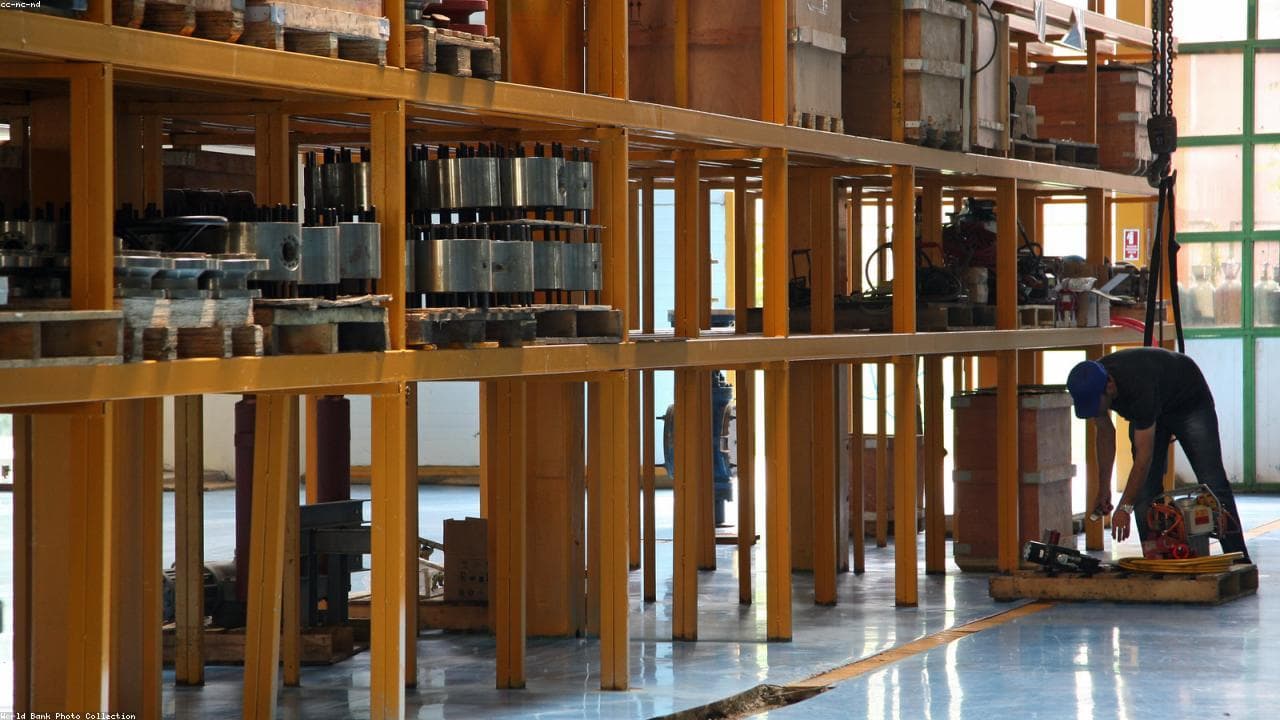
Mine Gas & Ventilation drills for mining in Visakhapatnam.
Book a walkthrough or start a focused pilot on your site.