
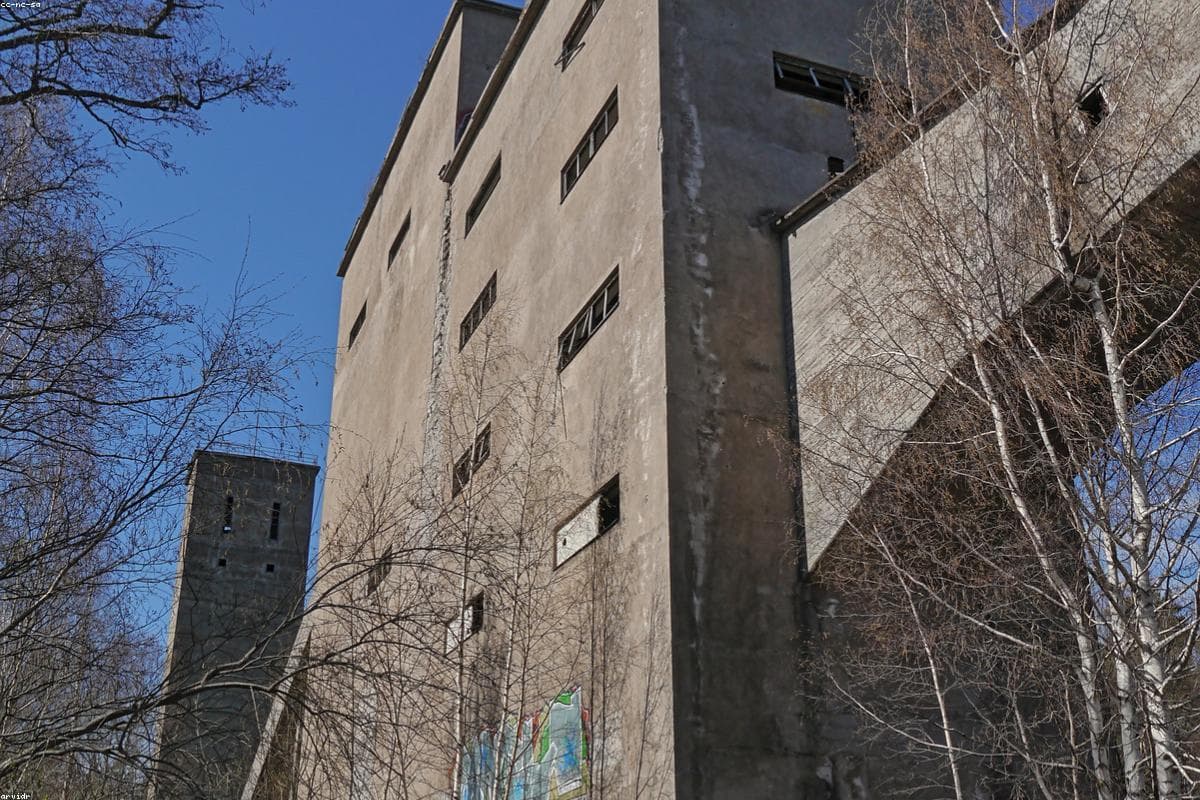
Mine Gas & Ventilation VR training.
Drill gas testing, ventilation checks and response to methane or carbon-monoxide build-up in an underground mine.
Mine Gas & Ventilation VR training
DrillXR Mine Gas and Ventilation trains the underground discipline that keeps an explosive or suffocating atmosphere from going unnoticed until it is too late. The simulation reproduces the hazards that make mine air a killer: methane accumulating toward an explosive concentration, carbon monoxide and oxygen deficiency that overcome a worker silently, a ventilation failure or short-circuit that lets bad air collect, and an ignition source brought into a flammable atmosphere. Inside the headset the trainee tests the atmosphere before entering a district, checks the ventilation flow and the integrity of air-crossings and stoppings, interprets the gas readings against statutory limits, controls or withdraws on a dangerous accumulation, and reports and re-tests before any work resumes. Because the danger is invisible, the test-first and trust-the-numbers discipline is exactly what the headset is built to instil.
Mine gas incidents are catastrophic and historically the cause of the worst disasters underground, and India's framework reflects that gravity. The Mines Act 1952 and DGMS govern ventilation standards and the duty to test for gas, the Coal Mines Regulations 2017 set out gas-monitoring requirements, ventilation provisions and the statutory limits at which work must stop, and every mine runs its own ventilation and gas-testing standard operating procedure. The fatal failure is rarely ignorance; it is a worker who enters a district without testing because it was clear yesterday, or who reads a rising methane figure and carries on. DrillXR makes the invisible visible, showing a trainee what a rising gas reading and a failing ventilation circuit actually mean, and rehearsing the test, the interpretation and the withdrawal until the discipline holds before a worker is sent underground.
Why train mine gas & ventilation in VR
Mine-gas hazards are invisible and give no instinctive warning, which is why so many incidents are workers who simply did not test. You cannot safely expose a learner to a methane build-up or an oxygen-deficient roadway, so traditional training stays theoretical, and theory is exactly what fails when an instrument reads high and the work is pressing. VR makes the atmosphere a visible, modelled hazard: the trainee watches a methane reading climb toward the explosive range, sees a ventilation short-circuit let bad air pool, and learns through the simulation why testing before entry and trusting the numbers are non-negotiable. The gas test, the ventilation check and the withdrawal become concrete rehearsed actions rather than abstract rules. No staged drill can put a learner near a genuinely explosive mine atmosphere; DrillXR can, safely, which is why it builds the instinct that briefings on gas limits do not.
Inside a mine gas & ventilation session
The session begins as the trainee prepares to enter a virtual underground district. Their first duty is to test the atmosphere before entering, using the gas detector to check methane, carbon monoxide and oxygen rather than assuming yesterday's conditions hold; entering without testing costs against the score. They check the ventilation, confirming air is flowing in the right direction and that air-crossings and stoppings are intact rather than short-circuited. Inside, the trainee interprets the gas readings against the statutory limits, and the scenario introduces a rising accumulation, methane climbing or oxygen falling, that they must read correctly. The decisive point comes as the reading reaches a dangerous level: the trainee must control the condition or withdraw the district rather than continue working, and pressing on toward an explosive atmosphere or an ignition source registers as the fatal error it would be. The run closes as they report the condition and re-test before any work is allowed to resume.
Scoring & certification
Each attempt is scored against the procedure: atmosphere tested before entry, ventilation flow and air-crossings checked, gas readings interpreted against statutory limits, a dangerous accumulation controlled or withdrawn from, and the condition reported with a re-test before resuming. The decisive failures are captured explicitly, entering without testing, ignoring a failing ventilation circuit, misreading or working on against a dangerous figure, or resuming without a re-test, so an assessor sees the exact lapse. Per-step weighting produces an overall competency outcome and a passing run issues a dated certificate against the worker's record. Results stream over xAPI and SCORM to the LMS and the DrillXR compliance dashboard, where a mine ventilation officer can confirm only competent staff test and interpret gas, evidence gas-testing and ventilation competence to a DGMS inspector, and target those who fail to act on the numbers.
Deployment on your site
Mine Gas and Ventilation runs on Meta Quest, Pico and PC-VR and launches in kiosk mode, so a headset at the lamp room or induction point boots straight into the module for the next worker with no setup. The scenario is configurable to the mine: the district and roadway layout, the ventilation circuit and the air-crossings and stoppings in use, the gas-detection instruments the workforce actually carries, the statutory limits and trigger actions, and the site ventilation and gas-testing standard operating procedure can be mirrored so the training matches how the air is genuinely managed. A fleet of headsets is managed from one console with completion data feeding the central dashboard. For coal and metalliferous mining operators, this delivers identical gas and ventilation competence across every district and shift, before anyone is cleared to test and enter.
Explore all VR safety training, see how it adapts to your industry, or read whether VR is effective for safety training.
Hazards it reproduces
- methane accumulation & explosion risk
- carbon monoxide & oxygen deficiency
- ventilation failure or short-circuiting
- ignition source near a flammable atmosphere
The scored procedure
- 01Test the atmosphere before entering the district
- 02Check ventilation flow and air-crossing integrity
- 03Interpret the gas readings against statutory limits
- 04Control or withdraw on a dangerous accumulation
- 05Report and re-test before resuming work
Compliance mapping
Mine Gas & Ventilation FAQs
What does the Mine Gas & Ventilation VR module cover?
Drill gas testing, ventilation checks and response to methane or carbon-monoxide build-up in an underground mine.
Which hazards does it simulate?
methane accumulation & explosion risk; carbon monoxide & oxygen deficiency; ventilation failure or short-circuiting; ignition source near a flammable atmosphere.
Is the mine gas & ventilation training assessed?
Yes. Every step is scored and timed, with pass thresholds that trigger certificates and feed the compliance dashboard.
Which standards does it map to?
Mines Act 1952 / DGMS (ventilation & gas testing); Coal Mines Regulations 2017 (gas monitoring & ventilation); site ventilation & gas-testing standard operating procedure.
See Mine Gas & Ventilation scored live.
Book a walkthrough tuned to your equipment and site.