
Industrial Radiography & Radiation Safety VR training for steel in Pune.
Pune, Maharashtra — auto, engineering and manufacturing belt (Chakan–Talegaon and Ranjangaon industrial clusters). Drill source handling, cordon control and emergency response for gamma and X-ray radiography so exposure discipline is built before anyone enters a hot bay.
Industrial Radiography & Radiation Safety VR training for steel in Pune
DrillXR Industrial Radiography and Radiation Safety puts a radiographer through the source handling, cordon control and emergency response of gamma and X-ray non-destructive testing, where an invisible hazard can deliver a serious dose in seconds. The simulation reproduces the failures that cause radiography overexposures: working in or near an unshielded beam, a gamma source that sticks or detaches in the exposed position rather than returning to its shielded container, a controlled area whose cordon is inadequate or breached by an untrained person, and loss of control or accountability of the radioactive source itself. Inside the headset the trainee verifies the work permit, the source and the survey-meter calibration, establishes and barriers the controlled area out to the dose-rate boundary, conducts the exposure from a safe position while monitoring dose, confirms the source has fully returned and surveys the area, and responds correctly to a stuck source or an alarm while always accounting for the source. The discipline is survey-first, never assume the source is safe.
Radiography is among the most tightly controlled activities in Indian industry because the source is lethal and invisible. The Atomic Energy (Radiation Protection) Rules 2004, made under the Atomic Energy Act 1962, govern the safe use of radiation sources, the Atomic Energy Regulatory Board sets the regulatory requirements and licensing for industrial radiography and the role of the Radiological Safety Officer, and every operator runs a radiation protection programme with an RPO-supervised standard operating procedure. The classic incident is not ignorance of the rules but a shortcut under schedule pressure: an unverified survey-meter, a source assumed returned that was actually stuck, or a cordon that someone walked through. A classroom cannot let a radiographer experience a stuck-source emergency; DrillXR lets the trainee work the survey, the cordon and the stuck-source response on a virtual site where the only cost of a mistake is a lower score.
Industrial Radiography & Radiation Safety training for Pune’s industrial base
Pune is one of western India's most concentrated manufacturing economies, anchored by the Chakan–Talegaon belt and the Ranjangaon industrial cluster on the Pune–Ahmednagar axis. The corridor packs automotive OEMs, two-wheeler giants, tier-one component suppliers, precision engineering shops and a deep bench of forging, casting and machining units into a relatively tight geography. Shift-based production runs around the clock, and a large share of the workforce is contract and migrant labour that rotates frequently between plants. That combination — high-throughput lines, heavy material handling and a constantly refreshing operator pool — makes consistent, repeatable safety competence one of the hardest operational problems a Pune plant manager has to solve.
Pune's manufacturing density means a single unsafe forklift turn, a defeated machine guard or a slow line-side evacuation can stop production across a tier-one supplier and ripple straight up to the OEM. Traditional induction — a slide deck, a signed register, a walk of the shop — does not reliably transfer competence to a workforce that turns over quickly and often does not share a first language with the trainer. VR changes the economics of that problem. A new operator can rehearse a tip-over, a pedestrian near-miss or a press lockout in the headset until the correct response is automatic, and the plant gets a numerical score for every attempt rather than a signature on a sheet. For Chakan and Ranjangaon suppliers under continuous OEM audit, that assessable, repeatable record is the difference between claiming training happened and proving it did.
Inside a industrial radiography & radiation safety drill
The session opens at a virtual radiography site with an exposure to make. The trainee first verifies the work permit, checks the source and confirms the survey meter is calibrated and responding, rather than assuming the equipment is good. They establish and barrier the controlled area out to the dose-rate boundary, accounting for all personnel before anything is exposed; a cordon set too tight or a person left inside it costs against the score. They conduct the exposure from a safe position and monitor dose throughout. The decisive sequence comes at the end: the trainee must confirm the source has fully returned to its shielded position and survey the area to prove it, rather than approaching on assumption. The scenario introduces a stuck source and an alarm, and the trainee must respond correctly, retreat, raise the emergency, and account for the source, rather than walking toward it. Approaching an unconfirmed source or breaching the cordon registers as the overexposure it would be.
Steel risk in focus
Steel's failure modes are defined by heat, mass and gas. Molten-metal and hot-work hazards — splashes, runouts and water-metal explosions — produce catastrophic burns and are the sector's most feared events. Crane and material-handling operations move enormous loads over crews, where a rigging error or exclusion-zone breach is instantly fatal. Machine-safety failures on mills, conveyors and shears cause entanglement and crushing, especially during maintenance access. And gas hazards from CO and blast-furnace gas threaten asphyxiation across the plant. Each is a high-energy, low-margin event that procedural discipline — performed correctly every time — is the only reliable defence against.
Go deeper on the Industrial Radiography & Radiation Safety module, VR training for steel, or all training in Pune.
The hazards drilled
- unshielded exposure to ionising radiation
- a source stuck or detached in the exposure position
- an inadequate or breached cordon
- loss of control or accountability of the radioactive source
Steel risks in Pune
- molten metal & hot work
- crane/material handling
- machine safety
- gas hazards
The scored procedure
- 01Verify the work permit, source and survey-meter calibration
- 02Establish and barrier the controlled area to the dose-rate boundary
- 03Conduct the exposure from a safe position and monitor dose
- 04Confirm the source has fully returned and survey the area
- 05Respond to a stuck source or alarm and account for the source
Compliance mapping
Related drills for steel
Explore the Industrial Radiography & Radiation Safety module, VR training for steel, or all training in Pune.
Industrial Radiography & Radiation Safety VR training in Pune — FAQs
Why run industrial radiography & radiation safety VR training for steel in Pune?
Pune is auto, engineering and manufacturing belt (Chakan–Talegaon and Ranjangaon industrial clusters). Steel teams there face molten metal & hot work, crane/material handling, machine safety. DrillXR lets crews rehearse industrial radiography & radiation safety safely and repeatably, with scored, audit-ready evidence.
What does the Industrial Radiography & Radiation Safety simulation cover?
Drill source handling, cordon control and emergency response for gamma and X-ray radiography so exposure discipline is built before anyone enters a hot bay. It reproduces unshielded exposure to ionising radiation, a source stuck or detached in the exposure position, an inadequate or breached cordon.
Which regulations apply?
Atomic Energy (Radiation Protection) Rules 2004 under the Atomic Energy Act 1962; AERB regulatory requirements and licensing for industrial radiography; site radiation protection programme and RPO-supervised standard operating procedure; Factories Act 1948; BIS standards; site safety SOPs.
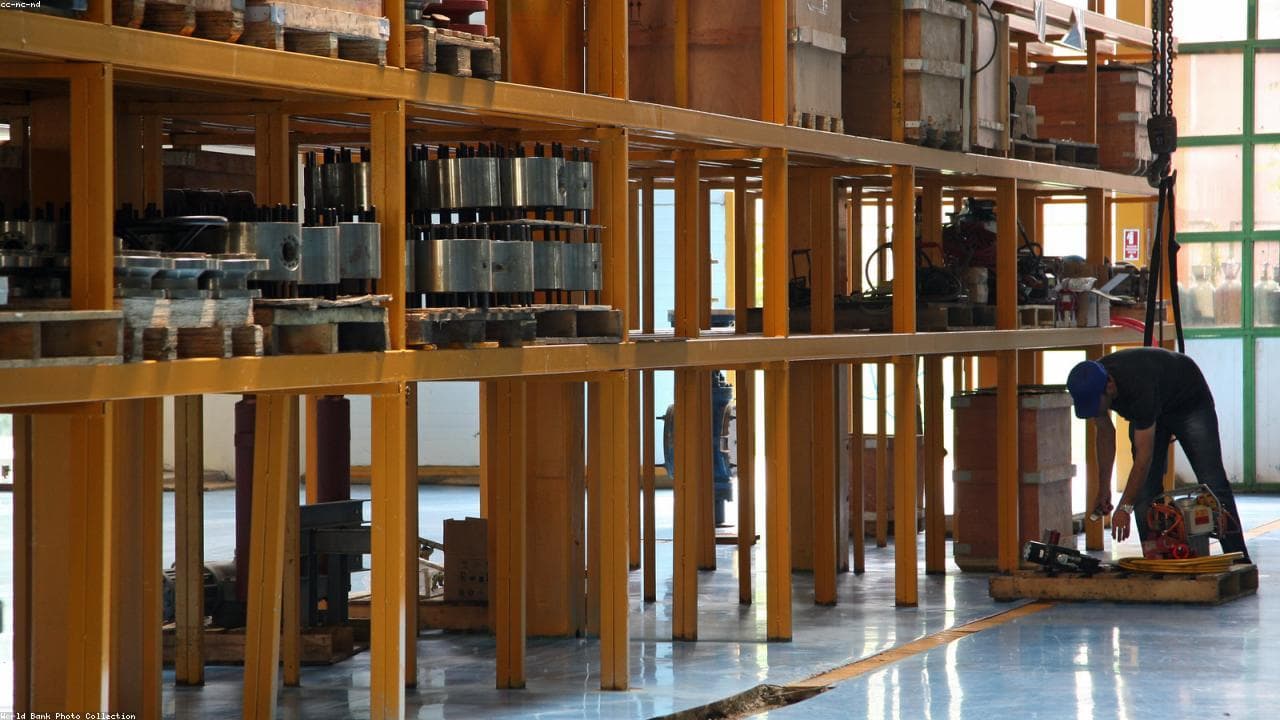
Industrial Radiography & Radiation Safety drills for steel in Pune.
Book a walkthrough or start a focused pilot on your site.