

Work-at-Height Rescue VR training for power & utilities in Delhi NCR.
Delhi NCR, Delhi NCR — auto, electronics and manufacturing belt (Manesar, Faridabad and Noida clusters). Rehearse the recovery of a fallen, suspended worker against the clock, so a rescue team can act on a plan rather than improvise while suspension trauma sets in.
Work-at-Height Rescue VR training for power & utilities in Delhi NCR
DrillXR Work-at-Height Rescue trains the response that fall-arrest equipment alone cannot provide: getting a suspended worker down quickly and safely before suspension trauma sets in. The simulation reproduces the hazards that turn a survived fall into a fatality: suspension trauma in a worker left hanging in their harness too long, a delayed or unplanned rescue where the team improvises while the clock runs, rescuer falls during a hurried recovery, and secondary casualties from an uncontrolled lower. Inside the headset the rescue team raises the alarm and confirms the rescue plan and equipment, assesses the casualty, the anchors and the access route, establishes a rescuer attachment and reaches the casualty, attaches and takes the load before releasing the casualty's system, and lowers or recovers under control before handing over for first aid. Because a fallen worker has minutes, not hours, the headset trains a planned, rehearsed rescue rather than the improvisation that costs lives.
A fall arrested by a harness is only half a survival; the rescue is the other half, and it is the part most teams have never practised. The Factories Act 1948 requires safe work at height and adequate emergency provision on factory premises, OISD guidelines shape height-rescue arrangements on petroleum installations, and a site rescue plan tied to the work-at-height permit defines who recovers a suspended worker and how. The deadly failure is the absence of a plan: a team that has equipped every worker for fall arrest but never rehearsed reaching and lowering a casualty will lose critical minutes deciding what to do. DrillXR lets a rescue team run the full recovery against the clock, repeatedly, so the plan is proven and the roles are reflexive before a real worker is left hanging.
Work-at-Height Rescue training for Delhi NCR’s industrial base
Delhi NCR is North India's largest manufacturing engine, built around three powerful sub-clusters: Manesar in Haryana, with its automotive OEMs and tier-one supplier base; Faridabad, a long-established heavy-engineering, machinery and auto-component belt; and Noida, with its electronics, appliance and light-manufacturing concentration. Together they form a sprawling, multi-state industrial region where car and two-wheeler assembly, forging and machining, electronics production and large-scale warehousing operate side by side. The workforce is enormous, heavily contract and migrant, and rotates frequently — making consistent safety competence a region-wide challenge rather than a single-plant one.
The scale and churn of NCR's workforce make training consistency the core problem: a Manesar supplier or a Faridabad engineering unit is constantly inducting new, often contract, operators, and a slide-and-signature induction guarantees neither competence nor evidence of it. VR fixes both. A new operator can rehearse a forklift pedestrian near-miss, a press lockout or a line-side evacuation in the headset until the response is reflexive, and the plant captures a score for every attempt regardless of who the worker is or when they started. For OEM-audited suppliers around Manesar and for multi-site operators spread across Haryana, Delhi and Noida, that assessed, repeatable record lets them hold a vast and mobile workforce to one measurable safety standard — and prove it to whichever state regulator and customer comes calling.
Inside a work-at-height rescue drill
The session opens with a worker hanging in their harness after an arrested fall and a rescue team responding. They first raise the alarm and confirm the rescue plan and equipment, establishing that a planned recovery, not improvisation, is the path. They assess the casualty's condition, the anchors available and the safest access route, with a careless approach that ignores the rescuer's own protection penalised. They establish a rescuer attachment and reach the casualty, then attach to the casualty and take their weight before releasing the casualty's fall-arrest system; release before taking the load and the simulation demonstrates the drop it credits them for avoiding. They lower or recover the casualty under control, keeping the descent managed rather than uncontrolled, and avoid the structure on the way down. The run closes as the casualty reaches the ground and is handed over for first aid, the elapsed time recorded.
Power & Utilities risk in focus
Power-sector incidents centre on energy that cannot be seen. Electrical-isolation failures — working on equipment that was not fully de-energised, locked and verified — cause electrocution and are the sector's signature fatality. Work at height on transmission towers, boiler structures and distribution poles produces falls when fall-arrest discipline lapses. Confined-space entry into boilers, ducts and ash-handling plant carries oxygen-deficiency and toxic-atmosphere risk. Arc flash during switching or fault conditions delivers severe burns in milliseconds. Each is a procedure-under-discipline failure where the correct sequence, performed every time, is the only reliable safeguard.
Go deeper on the Work-at-Height Rescue module, VR training for power & utilities, or all training in Delhi NCR.
The hazards drilled
- suspension trauma in a worker left hanging too long
- a delayed or unplanned rescue response
- rescuer falls during an improvised recovery
- secondary casualties from an uncontrolled lower
Power & Utilities risks in Delhi NCR
- electrical isolation
- work at height
- confined space (boilers)
- arc flash
The scored procedure
- 01Raise the alarm and confirm the rescue plan and equipment
- 02Assess the casualty, the anchors and the access route
- 03Establish a rescuer attachment and reach the casualty
- 04Attach, take the load and release the casualty's system
- 05Lower or recover under control and hand over for first aid
Compliance mapping
Related drills for power & utilities
Explore the Work-at-Height Rescue module, VR training for power & utilities, or all training in Delhi NCR.
Work-at-Height Rescue VR training in Delhi NCR — FAQs
Why run work-at-height rescue VR training for power & utilities in Delhi NCR?
Delhi NCR is auto, electronics and manufacturing belt (Manesar, Faridabad and Noida clusters). Power & Utilities teams there face electrical isolation, work at height, confined space (boilers). DrillXR lets crews rehearse work-at-height rescue safely and repeatably, with scored, audit-ready evidence.
What does the Work-at-Height Rescue simulation cover?
Rehearse the recovery of a fallen, suspended worker against the clock, so a rescue team can act on a plan rather than improvise while suspension trauma sets in. It reproduces suspension trauma in a worker left hanging too long, a delayed or unplanned rescue response, rescuer falls during an improvised recovery.
Which regulations apply?
Factories Act 1948 (safe work at height and emergency provision); OISD guidelines (height work in petroleum installations); site rescue plan / work-at-height permit; CEA Safety Regulations; Electricity Act 2003; Factories Act 1948.
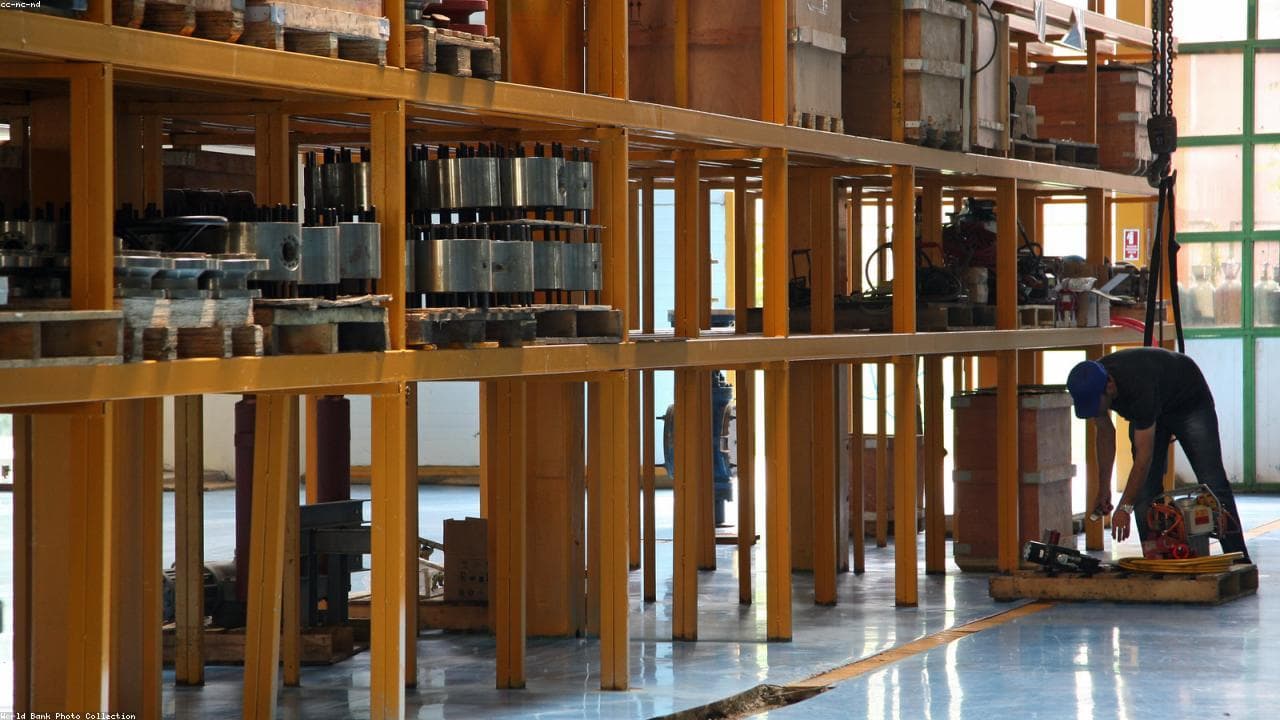
Work-at-Height Rescue drills for power & utilities in Delhi NCR.
Book a walkthrough or start a focused pilot on your site.