

Heat Stress Management VR training for construction in Vadodara.
Vadodara, Gujarat — petrochemicals and engineering hub (the Vadodara–Ankleshwar chemical corridor). Rehearse recognising heat-illness warning signs, hydration and work-rest discipline, and the response that stops heat exhaustion becoming heat stroke.
Heat Stress Management VR training for construction in Vadodara
DrillXR Heat Stress Management trains workers to recognise and respond to a hazard that builds quietly and can kill within hours, the heat illness that comes with hot processes, summer construction and confined hot work. The simulation reproduces the failures that turn discomfort into a medical emergency: heat exhaustion and heat stroke, dehydration and electrolyte loss, working through the early warning signs because the job is not finished, and a delayed response when a colleague starts to collapse. Inside the headset the worker assesses heat conditions and their own acclimatisation, plans hydration and work-rest cycles, recognises early heat-illness symptoms, takes shade, cooling and hydration breaks, and responds to and escalates a heat casualty. Because the early signs are easy to dismiss, the headset is built to make them recognisable and the rest-and-hydrate discipline routine.
Heat is a serious and rising risk on Indian sites, where ambient temperatures and hot processes combine. The Factories Act 1948 carries duties around working conditions and occupational health, including ventilation and temperature, the Building and Other Construction Workers Act 1996 sets welfare and rest provision for site workers, and a site heat-stress prevention and occupational health and safety plan defines acclimatisation, hydration and work-rest schedules. The common failure is a worker, often a new or unacclimatised one, pushing through dizziness and cramps to finish a task, with colleagues missing the signs until it becomes heat stroke. A classroom cannot rehearse the in-the-moment judgement to stop and cool down. DrillXR lets workers recognise the symptoms and practise the response before a real shift tests them.
Heat Stress Management training for Vadodara’s industrial base
Vadodara sits at the head of one of India's most important industrial arteries — the Vadodara–Ankleshwar chemical corridor that runs down Gujarat's golden belt. The city itself is a long-established petrochemicals and heavy-engineering centre, home to large public-sector and private chemical, fertiliser and engineering complexes, while the corridor stretching south through Nandesari, Dahej and Ankleshwar concentrates one of the densest collections of chemical and petrochemical processing in the country. This is continuous-process industry at scale: reactors, pressure vessels, bulk storage, pipelines and the hazardous chemistry that runs through them, much of it classified under Major Accident Hazard rules.
On the Vadodara–Ankleshwar corridor the highest-consequence events — a confined-space fatality during a vessel entry, a toxic or H2S release, a hot-work fire, a slow emergency response — are exactly the ones that are too dangerous to practise on the real asset. That is the core case for VR. DrillXR lets a worker rehearse atmospheric testing and permit-to-work before entering a vessel, practise containment and decontamination for a specific release, and run a timed, role-based emergency drill where team coordination is scored. For MAH units whose on-site emergency plans must be demonstrably and repeatedly tested, immersive drills produce a defensible competence record that a classroom and a signed register cannot. On a corridor this hazardous and this scrutinised, reproducible proof of competence is not optional.
Inside a heat stress management drill
The session places the trainee on a hot site or near a hot process with a task to complete. They first assess the heat conditions and consider their own acclimatisation, recognising that an unacclimatised worker is at higher risk. They plan hydration and work-rest cycles appropriate to the conditions rather than working straight through. As the task proceeds, the simulation introduces early heat-illness symptoms, in themselves and in a co-worker, and the trainee must recognise them rather than dismiss them. They take shade, cooling and hydration breaks at the right points; pushing through is penalised as the condition worsens. When the co-worker begins to collapse, the scenario tests the response: moving them to shade, cooling them, providing fluids if appropriate and escalating to medical help scores, while a delayed or inadequate response is registered against the run.
Construction risk in focus
Construction fatalities are overwhelmingly concentrated in a handful of mechanisms. Falls from height — off scaffolds, edges, ladders and fragile roofs — are the single largest killer, usually traced to missing or misused fall-arrest equipment and wrong anchor selection. Lifting operations cause struck-by and crushing injuries when loads, exclusion zones and signalling are mismanaged. Excavation collapse buries workers in unsupported or wrongly battered trenches. Site-traffic incidents arise where plant, delivery vehicles and people share congested ground. These are split-second, physical failures that no written test can certify a worker against.
Go deeper on the Heat Stress Management module, VR training for construction, or all training in Vadodara.
The hazards drilled
- heat exhaustion and heat stroke
- dehydration and electrolyte loss
- working through early warning signs
- delayed response to a collapsing worker
Construction risks in Vadodara
- falls from height
- lifting operations
- excavation collapse
- site-traffic
The scored procedure
- 01Assess heat conditions and acclimatisation
- 02Plan hydration and work-rest cycles
- 03Recognise early heat-illness symptoms
- 04Take shade, cooling and hydration breaks
- 05Respond to and escalate a heat casualty
Compliance mapping
Related drills for construction
Explore the Heat Stress Management module, VR training for construction, or all training in Vadodara.
Heat Stress Management VR training in Vadodara — FAQs
Why run heat stress management VR training for construction in Vadodara?
Vadodara is petrochemicals and engineering hub (the Vadodara–Ankleshwar chemical corridor). Construction teams there face falls from height, lifting operations, excavation collapse. DrillXR lets crews rehearse heat stress management safely and repeatably, with scored, audit-ready evidence.
What does the Heat Stress Management simulation cover?
Rehearse recognising heat-illness warning signs, hydration and work-rest discipline, and the response that stops heat exhaustion becoming heat stroke. It reproduces heat exhaustion and heat stroke, dehydration and electrolyte loss, working through early warning signs.
Which regulations apply?
Factories Act 1948 (working conditions and occupational health); BOCW Act 1996 (welfare and rest provision on sites); site heat-stress prevention and OH&S plan; BOCW Act 1996; Factories Act (off-site works); BIS IS 3764.
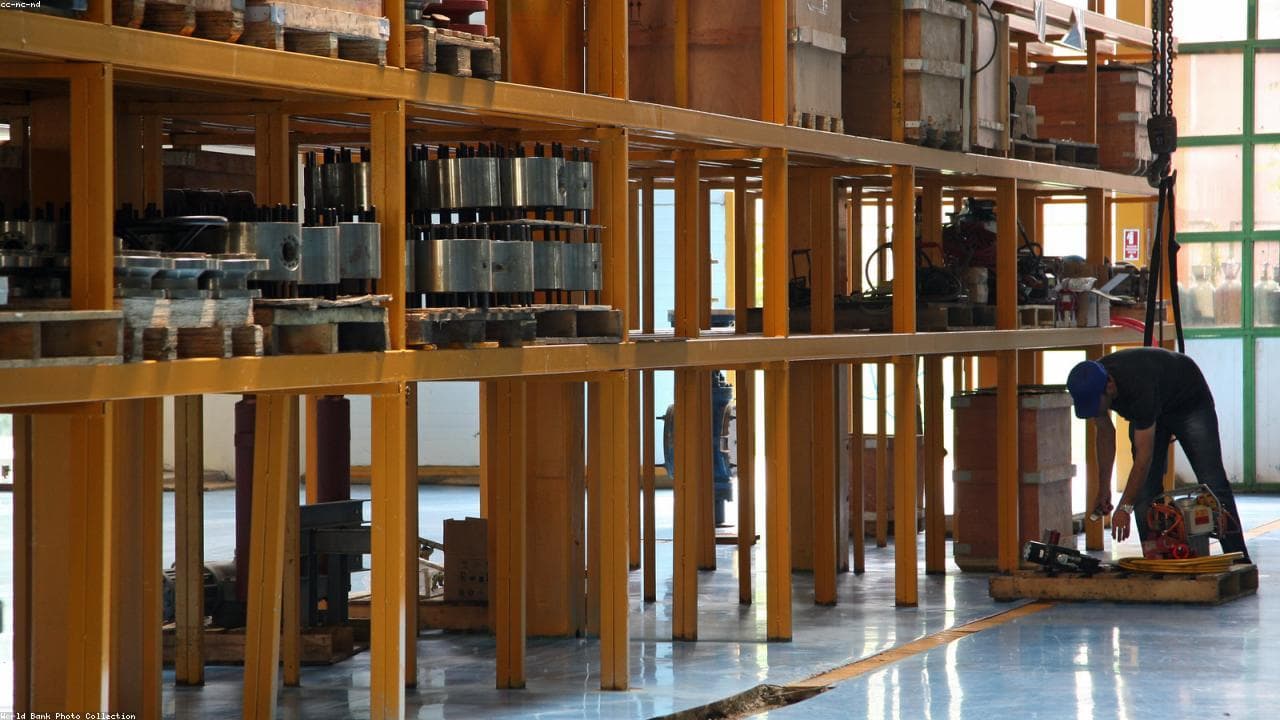
Heat Stress Management drills for construction in Vadodara.
Book a walkthrough or start a focused pilot on your site.