
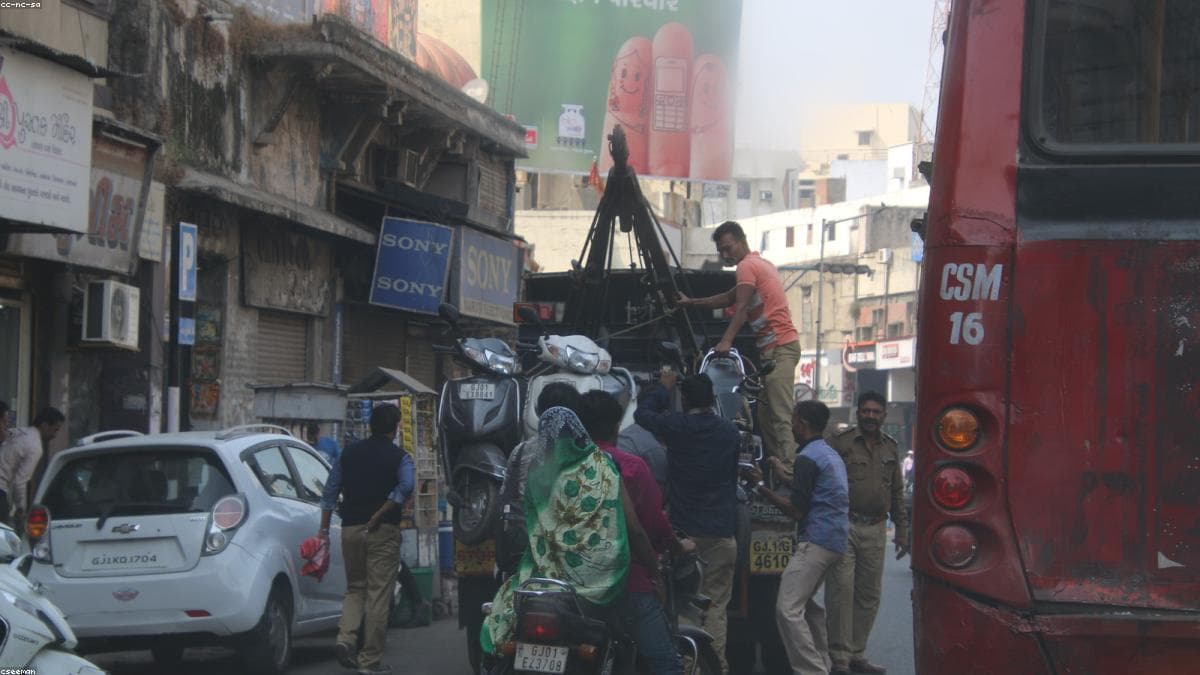
Hazardous Materials Handling VR training for oil & gas in Ahmedabad.
Ahmedabad, Gujarat — chemicals, pharma and textiles hub (Vatva, Naroda and Sanand industrial estates). Train safe receipt, storage, transfer and segregation of hazardous materials in a virtual store before anyone moves a real drum.
Hazardous Materials Handling VR training for oil & gas in Ahmedabad
DrillXR Hazardous Materials Handling puts a trainee inside a virtual store and process area where every drum, sack and carboy carries a real consequence if it is handled wrongly. The simulation reproduces the hazards that turn routine handling into an incident: incompatible materials stored together and reacting, toxic or corrosive exposure during a transfer, leaks and ruptures from a damaged container, and the wrong PPE selected for the substance in hand. Inside the headset the worker identifies the material from its safety data sheet and label, selects PPE matched to that specific hazard, checks segregation and storage compatibility before placing anything, transfers with spill containment ready, and documents, secures and reports the task. Because the correct PPE and the correct storage depend entirely on what the substance is, the headset trains the identify-first discipline rather than a one-size checklist.
Hazardous-material work punishes assumption, and India's framework is correspondingly strict. The Manufacture, Storage and Import of Hazardous Chemicals (MSIHC) Rules 1989 govern how dangerous substances are stored, handled and managed, the Factories Act 1948 carries the underlying duty of care for anyone handling dangerous substances on the premises, and the site material-handling and on-site emergency plan defines how a release is contained and reported. The dangerous habit is not ignorance but familiarity: stacking an oxidiser next to a flammable because the rack had space, grabbing whatever gloves were nearest, or moving a leaking drum before reading what is in it. DrillXR lets a worker make and correct those mistakes in the headset, so the read-the-SDS, check-compatibility, contain-before-you-move habit is built before a real container is ever in their hands.
Hazardous Materials Handling training for Ahmedabad’s industrial base
Ahmedabad anchors Gujarat's diversified industrial economy, with chemicals, pharmaceuticals and textiles spread across the Vatva, Naroda and Sanand industrial estates. Vatva and Naroda are among India's oldest and densest chemical and dyestuff clusters, packed with small and mid-sized processing units, effluent-intensive operations and bulk storage. Sanand, to the city's west, has become a modern automotive and engineering hub anchored by large OEM plants and their supplier base. The result is a city where reactive-chemistry processing, textile and dye manufacturing and high-volume auto assembly all coexist, each carrying its own distinct hazard profile.
Ahmedabad's industrial mix concentrates exactly the hazards that punish undertrained workers hardest: a toxic release in a packed Vatva chemical unit, a confined-space entry into a process vessel, or a machine-handling incident on a Sanand assembly line. None of these can be rehearsed realistically on the real asset without putting people in harm's way, and classroom training leaves no objective trace of who can actually perform under pressure. VR delivers both the rehearsal and the evidence. A worker can practise substance identification, PPE selection, containment and decontamination for a spill, or atmospheric testing and permit-to-work for a vessel entry — repeatedly, with a score each time. For chemical units under MSIHC and Factories Act scrutiny, and Sanand auto suppliers under OEM audit, that assessed record is concrete, reproducible proof of competence.
Inside a hazardous materials handling drill
The session opens in a virtual hazardous-materials store with a receipt-and-transfer task. The trainee's first duty is to identify the material from its label and safety data sheet, learning its hazards and the protection it demands rather than handling it blind. Guided by the SDS, they select and don PPE appropriate to that substance; choose protection that does not match the hazard and the simulation registers an exposure. Before placing the container they check segregation and storage compatibility, and shelving an oxidiser beside a flammable or an acid beside a base is flagged. They then carry out the transfer with spill-containment equipment staged and a drain closed, so a leak is caught rather than spreading. The run finishes as the worker secures the containers, completes the documentation and reports the task and any defect found.
Oil & Gas risk in focus
Oil and gas failure modes are process-driven and unforgiving. Process-safety events — loss of containment, runaway pressure or temperature, ignition of a release — are the headline catastrophic risk. H2S exposure can incapacitate or kill within seconds and demands instant, correct PPE and rescue behaviour. Hot-work ignition occurs when a permit fails to account for residual hydrocarbons or inadequate gas testing near welding and cutting. Confined-space entry into tanks, vessels and sumps combines toxic-atmosphere, engulfment and entrapment hazards with the recurring tragedy of untrained rescuers becoming the next casualties. Every one of these turns on procedure discipline under stress.
Go deeper on the Hazardous Materials Handling module, VR training for oil & gas, or all training in Ahmedabad.
The hazards drilled
- incompatible-material storage & reaction
- toxic or corrosive exposure during transfer
- drum/container leaks and rupture
- wrong PPE for the substance handled
Oil & Gas risks in Ahmedabad
- process-safety events
- H2S exposure
- hot-work ignition
- confined-space entry
The scored procedure
- 01Identify the material from the SDS and label
- 02Select PPE matched to the hazard
- 03Check segregation and storage compatibility
- 04Transfer with spill containment ready
- 05Document, secure and report
Compliance mapping
Related drills for oil & gas
Explore the Hazardous Materials Handling module, VR training for oil & gas, or all training in Ahmedabad.
Hazardous Materials Handling VR training in Ahmedabad — FAQs
Why run hazardous materials handling VR training for oil & gas in Ahmedabad?
Ahmedabad is chemicals, pharma and textiles hub (Vatva, Naroda and Sanand industrial estates). Oil & Gas teams there face process-safety events, H2S exposure, hot-work ignition. DrillXR lets crews rehearse hazardous materials handling safely and repeatably, with scored, audit-ready evidence.
What does the Hazardous Materials Handling simulation cover?
Train safe receipt, storage, transfer and segregation of hazardous materials in a virtual store before anyone moves a real drum. It reproduces incompatible-material storage & reaction, toxic or corrosive exposure during transfer, drum/container leaks and rupture.
Which regulations apply?
Manufacture, Storage & Import of Hazardous Chemicals (MSIHC) Rules 1989; Factories Act 1948 (handling of dangerous substances); site material-handling & on-site emergency plan; OISD standards; PESO (explosives/pressure); Factories Act 1948.
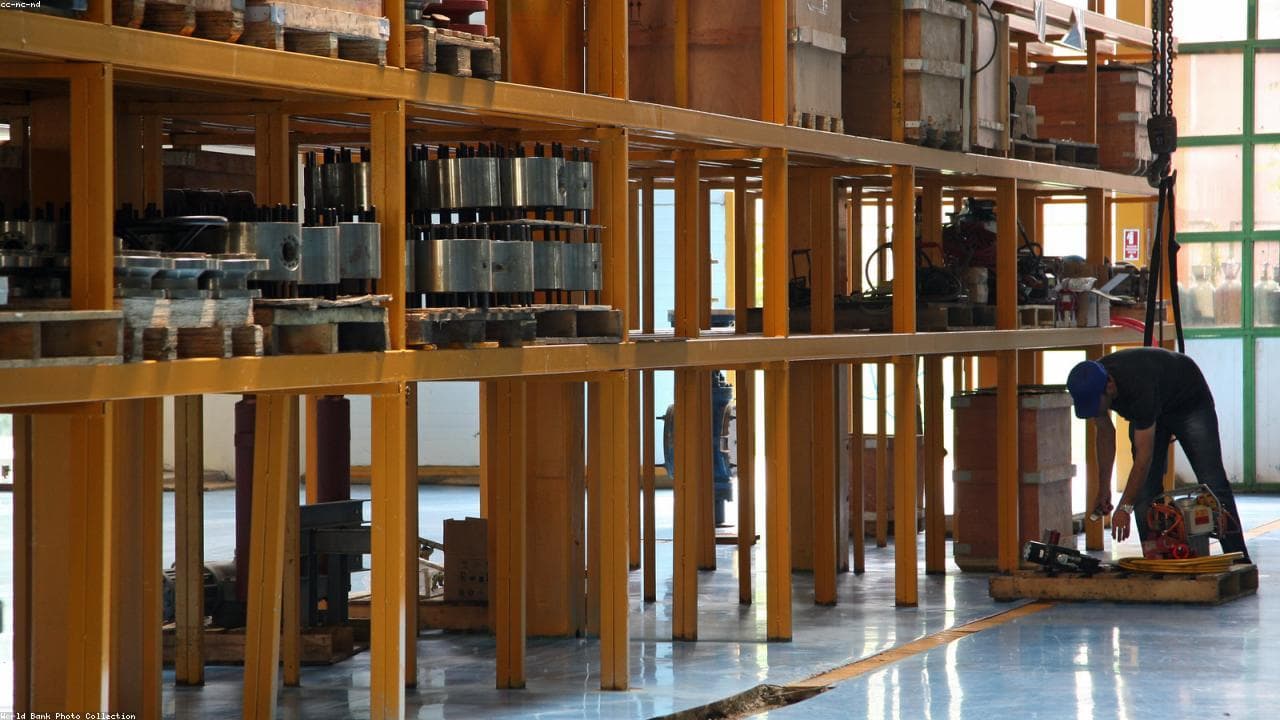
Hazardous Materials Handling drills for oil & gas in Ahmedabad.
Book a walkthrough or start a focused pilot on your site.