

Hand-Arm Vibration (HAVS) VR training for construction in Visakhapatnam.
Visakhapatnam, Andhra Pradesh — steel, port and petrochemicals hub (the Visakhapatnam port and petro cluster). Train tool selection, grip discipline and exposure management so workers recognise and limit the vibration that causes irreversible hand-arm injury.
Hand-Arm Vibration (HAVS) VR training for construction in Visakhapatnam
DrillXR Hand-Arm Vibration trains the one hazard that does its damage silently, over months and years, until it cannot be undone. The simulation reproduces what actually drives HAVS: cumulative exposure from grinders, breakers, chipping hammers and other powered hand tools; the excessive grip and feed force that pushes far more vibration into the hand than the tool alone; the cold and damp conditions that strangle circulation and accelerate symptoms; and the early signs — tingling, blanched fingertips, numbness — that workers shrug off until nerve and vascular damage become permanent. Inside the headset the trainee selects the right low-vibration tool, checks its anti-vibration mounts, applies a light and correct grip, tracks their exposure time against safe limits, and learns to recognise and report the first symptoms.
Hand-arm vibration syndrome is irreversible, and that is precisely why it must be trained before it appears. The Factories Act 1948 places a duty on occupiers to protect workers' occupational health and provide safe conditions of work, and Indian guidance on the measurement of hand-transmitted vibration informs how exposure is assessed (the exact BIS standard number should be verified on site rather than assumed). A site vibration exposure management procedure then sets tool choices, job rotation and exposure limits. The trap is invisibility: a worker feels fine on the tools today and only notices a problem when the damage is years deep. DrillXR makes exposure and its consequences visible in the moment, so grip discipline and exposure tracking become habit while the hands are still healthy.
Hand-Arm Vibration (HAVS) training for Visakhapatnam’s industrial base
Visakhapatnam is the industrial and maritime anchor of Andhra Pradesh, where a major deep-water port, integrated steel production and a cluster of petrochemical and process industries converge on the coast. The Visakhapatnam port — one of India's largest by cargo — drives bulk handling, container operations and terminal logistics, while the integrated steel plant and the surrounding petrochemical, refining and chemical units make the city a heavy-process hub. This combination of port operations and continuous-process industry gives Vizag a distinctive dual hazard profile: dockside lifting, traffic and confined holds on one side, and process-safety, confined vessels and hot work on the other.
Vizag's blend of port and heavy-process industry concentrates hazards that are both varied and severe: a lifting failure or hold entry at the port, a confined-vessel entry or hot-metal incident at the steel plant, a process-safety or fire event in the petro cluster. These cannot be safely staged on the real asset, and a workforce split across docks, mills and process units needs more than a generic classroom briefing. VR delivers targeted, assessed rehearsal. A dock worker can practise safe lifting and confined-hold entry, a steel operator machine isolation, and a process technician spill response and emergency coordination — each scored on every attempt. For MAH petro units and port operators answering to several regulators at once, that immersive, reproducible competence record is the strongest, most defensible evidence available.
Inside a hand-arm vibration (havs) drill
A session places the trainee at a workbench with a grinding and chipping task and a choice of tools. They begin by selecting a low-vibration tool suited to the job rather than the nearest one, then inspect it, checking the anti-vibration mounts and overall condition; a defective tool taken into use is logged against the score. Starting work, the trainee must apply a light, correct grip and let the tool cut, while an on-screen exposure indicator rises with grip force and time. Bear down hard or grip a worn tool and the dose accumulates quickly, prompting a scored decision to ease off or change tool. As exposure approaches the limit the scenario expects the trainee to take a scheduled break or rotate tasks. The run closes with a symptom check, where recognising and reporting early blanching or numbness earns credit rather than working on.
Construction risk in focus
Construction fatalities are overwhelmingly concentrated in a handful of mechanisms. Falls from height — off scaffolds, edges, ladders and fragile roofs — are the single largest killer, usually traced to missing or misused fall-arrest equipment and wrong anchor selection. Lifting operations cause struck-by and crushing injuries when loads, exclusion zones and signalling are mismanaged. Excavation collapse buries workers in unsupported or wrongly battered trenches. Site-traffic incidents arise where plant, delivery vehicles and people share congested ground. These are split-second, physical failures that no written test can certify a worker against.
Go deeper on the Hand-Arm Vibration (HAVS) module, VR training for construction, or all training in Visakhapatnam.
The hazards drilled
- cumulative vibration exposure from powered hand tools
- excessive grip and feed force raising transmitted vibration
- cold and damp worsening circulation and symptoms
- early HAVS signs ignored until damage is permanent
Construction risks in Visakhapatnam
- falls from height
- lifting operations
- excavation collapse
- site-traffic
The scored procedure
- 01Select the correct low-vibration tool for the task
- 02Check the tool and anti-vibration mounts for defects
- 03Apply a light, correct grip and let the tool do the work
- 04Track exposure time and take scheduled breaks
- 05Recognise early symptoms and report them
Compliance mapping
Related drills for construction
Explore the Hand-Arm Vibration (HAVS) module, VR training for construction, or all training in Visakhapatnam.
Hand-Arm Vibration (HAVS) VR training in Visakhapatnam — FAQs
Why run hand-arm vibration (havs) VR training for construction in Visakhapatnam?
Visakhapatnam is steel, port and petrochemicals hub (the Visakhapatnam port and petro cluster). Construction teams there face falls from height, lifting operations, excavation collapse. DrillXR lets crews rehearse hand-arm vibration (havs) safely and repeatably, with scored, audit-ready evidence.
What does the Hand-Arm Vibration (HAVS) simulation cover?
Train tool selection, grip discipline and exposure management so workers recognise and limit the vibration that causes irreversible hand-arm injury. It reproduces cumulative vibration exposure from powered hand tools, excessive grip and feed force raising transmitted vibration, cold and damp worsening circulation and symptoms.
Which regulations apply?
Factories Act 1948 (occupational health & safe working conditions); BIS hand-transmitted vibration measurement guidance (descriptive — verify exact IS number); site vibration exposure management standard operating procedure; BOCW Act 1996; Factories Act (off-site works); BIS IS 3764.
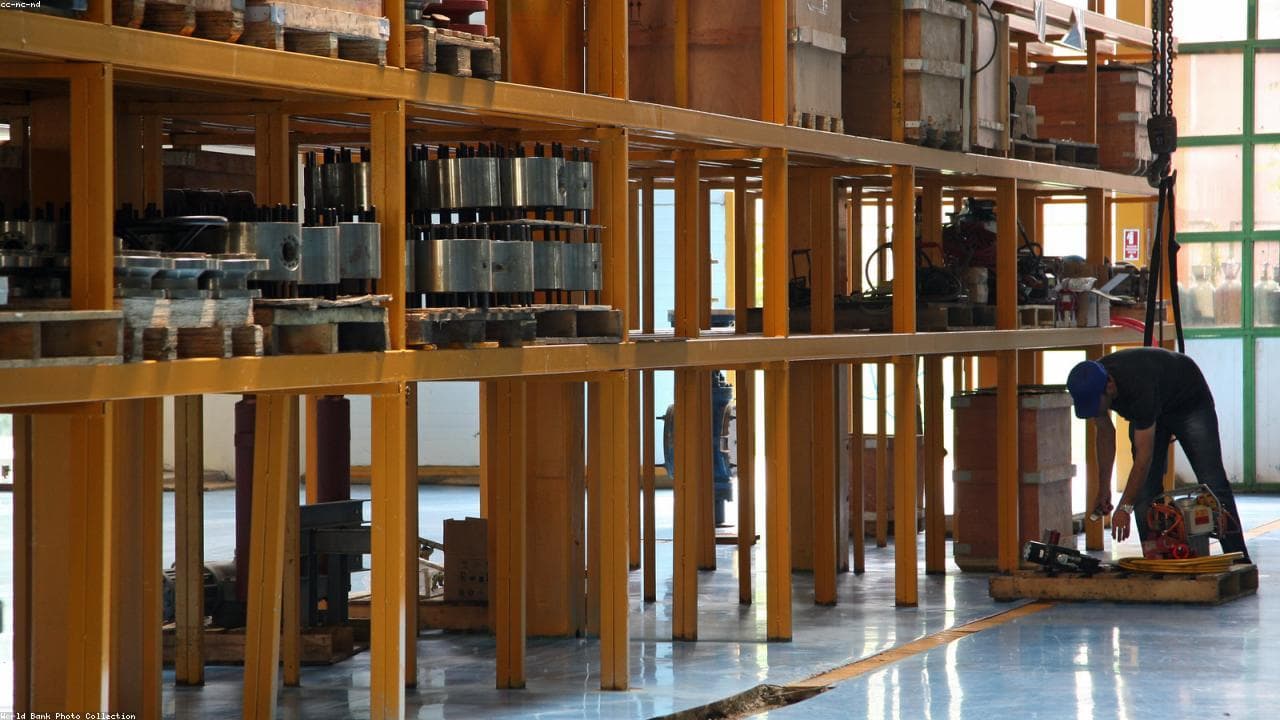
Hand-Arm Vibration (HAVS) drills for construction in Visakhapatnam.
Book a walkthrough or start a focused pilot on your site.