
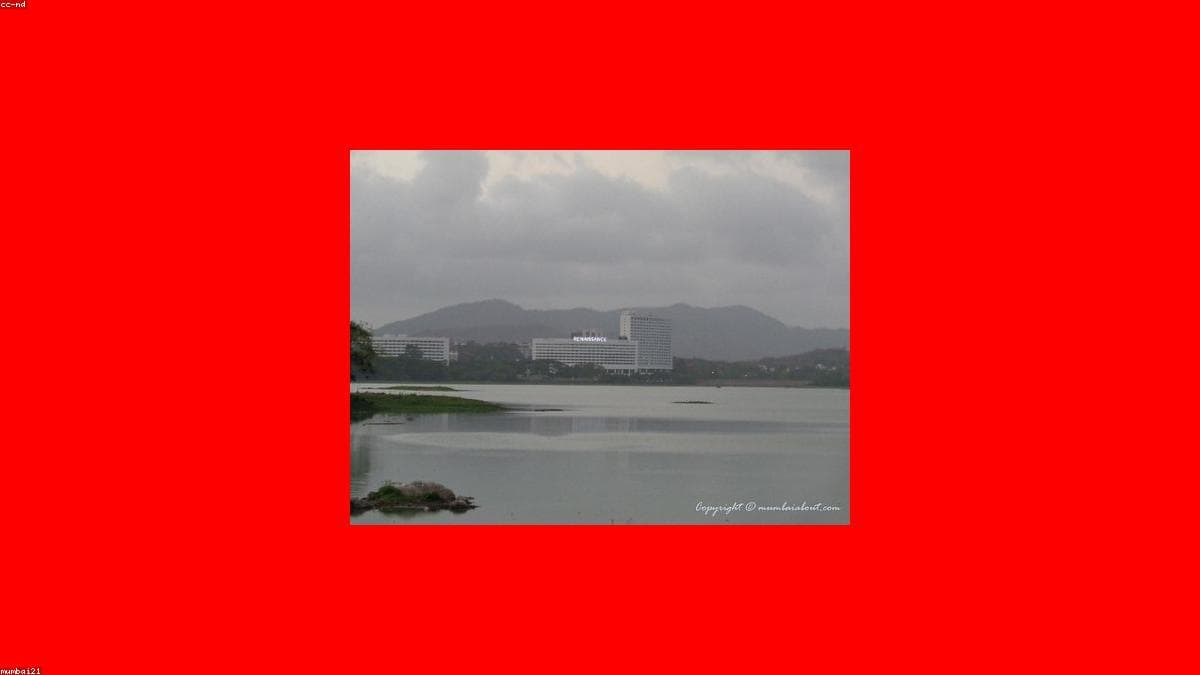
H2S & Gas Detection VR training for power & utilities in Mumbai.
Mumbai, Maharashtra — chemicals, pharma and ports hub (MIDC, JNPT and the MMR industrial corridor). Practise gas-monitor use, escape and rescue for hydrogen-sulphide and toxic-gas atmospheres you can never stage for real.
H2S & Gas Detection VR training for power & utilities in Mumbai
DrillXR Hydrogen Sulphide and Gas Detection trains workers to survive an atmosphere that can knock them down in seconds, where the right reaction has to be instinct because there is no time to think. The simulation reproduces the hazards that make gas exposure lethal: hydrogen sulphide (H2S) exposure and rapid knockdown, oxygen-deficient atmospheres, misuse of the gas monitor, and the failed escape or rescue that turns one casualty into several. Inside the headset the worker bump-tests and dons the gas monitor, recognises alarms and reads the wind direction, escapes upwind to the muster point, uses an SCBA or escape set, and initiates a rescue without becoming a casualty themselves. Because hydrogen sulphide (H2S) deadens the sense of smell and overwhelms a person fast, the headset trains the monitor-alarm-escape-upwind discipline before a real release ever tests it.
Gas exposure incidents are among the most feared in the oil, gas and process industries, and India's framework reflects that. The Factories Act 1948 sets the duty of care for workers exposed to toxic atmospheres, OISD-GDN-182 governs confined-space and gas practice in the petroleum sector, and the Manufacture, Storage and Import of Hazardous Chemicals Rules control work around hazardous substances. The classic tragedy is a worker overcome by hydrogen sulphide (H2S) and a colleague who rushes in to help and is overcome by the same gas. A classroom cannot convey the speed of knockdown or the pull to rescue; DrillXR makes the invisible gas a modelled, consequential hazard, rehearsing the alarm response, the upwind escape and the never-become-a-casualty rescue until the instinct holds under pressure.
H2S & Gas Detection training for Mumbai’s industrial base
Mumbai and the wider Mumbai Metropolitan Region form one of India's most complex industrial geographies, where chemicals, pharmaceuticals, ports and logistics collide inside a single dense corridor. The MIDC estates across the MMR, the Jawaharlal Nehru Port (JNPT) at Nhava Sheva and the long industrial belt running through Navi Mumbai, Thane and Taloja put hazardous-chemical processing, bulk storage, container handling and warehousing in close proximity to one of the most crowded urban populations on earth. Many of these are Major Accident Hazard (MAH) units, where a process-safety failure is not a local event but a regional one, and where regulators and surrounding communities watch closely.
In Mumbai's chemical and port economy the worst incidents — a toxic release, a confined-space fatality during tank entry, an uncontrolled spill, a botched emergency response — are precisely the ones that cannot be rehearsed on the real asset without endangering people. That is the gap VR closes. DrillXR lets a worker practise atmospheric testing and permit-to-work before a vessel entry, don the correct PPE for a specific spilled substance, and run a timed, role-based emergency drill where coordination itself is scored, not just individual steps. For MAH units across the MMR whose on-site emergency plans must be demonstrably tested, immersive drills produce a defensible, repeatable competence record that a classroom session and a signed attendance sheet simply cannot. In a region this densely populated, the margin for an undertrained response is unforgiving.
Inside a h2s & gas detection drill
The session begins as the trainee prepares to enter a process area. They first bump-test and don the gas monitor, confirming it responds and reads correctly rather than trusting an unchecked unit. Working in the area, an alarm sounds as a hydrogen sulphide (H2S) release develops; the trainee must recognise the alarm immediately and read the wind direction rather than freezing or investigating the source. They escape upwind to the muster point, moving away from the gas and crosswind to clear it rather than downwind into it. Where the situation demands it they don an SCBA or use an escape set to get clear. When a colleague is down, the scenario tests the rescue: an unprotected entry is penalised as a second casualty, while a correctly protected, planned rescue is the scored success.
Power & Utilities risk in focus
Power-sector incidents centre on energy that cannot be seen. Electrical-isolation failures — working on equipment that was not fully de-energised, locked and verified — cause electrocution and are the sector's signature fatality. Work at height on transmission towers, boiler structures and distribution poles produces falls when fall-arrest discipline lapses. Confined-space entry into boilers, ducts and ash-handling plant carries oxygen-deficiency and toxic-atmosphere risk. Arc flash during switching or fault conditions delivers severe burns in milliseconds. Each is a procedure-under-discipline failure where the correct sequence, performed every time, is the only reliable safeguard.
Go deeper on the H2S & Gas Detection module, VR training for power & utilities, or all training in Mumbai.
The hazards drilled
- H2S exposure & rapid knockdown
- oxygen-deficient atmospheres
- gas-monitor misuse
- failed escape & rescue
Power & Utilities risks in Mumbai
- electrical isolation
- work at height
- confined space (boilers)
- arc flash
The scored procedure
- 01Bump-test and don the gas monitor
- 02Recognise alarms and wind direction
- 03Escape upwind to muster
- 04Use SCBA / escape set
- 05Initiate rescue without becoming a casualty
Compliance mapping
Related drills for power & utilities
Explore the H2S & Gas Detection module, VR training for power & utilities, or all training in Mumbai.
H2S & Gas Detection VR training in Mumbai — FAQs
Why run h2s & gas detection VR training for power & utilities in Mumbai?
Mumbai is chemicals, pharma and ports hub (MIDC, JNPT and the MMR industrial corridor). Power & Utilities teams there face electrical isolation, work at height, confined space (boilers). DrillXR lets crews rehearse h2s & gas detection safely and repeatably, with scored, audit-ready evidence.
What does the H2S & Gas Detection simulation cover?
Practise gas-monitor use, escape and rescue for hydrogen-sulphide and toxic-gas atmospheres you can never stage for real. It reproduces H2S exposure & rapid knockdown, oxygen-deficient atmospheres, gas-monitor misuse.
Which regulations apply?
Factories Act 1948; OISD-GDN-182 (confined space); MSIHC Rules; CEA Safety Regulations; Electricity Act 2003.
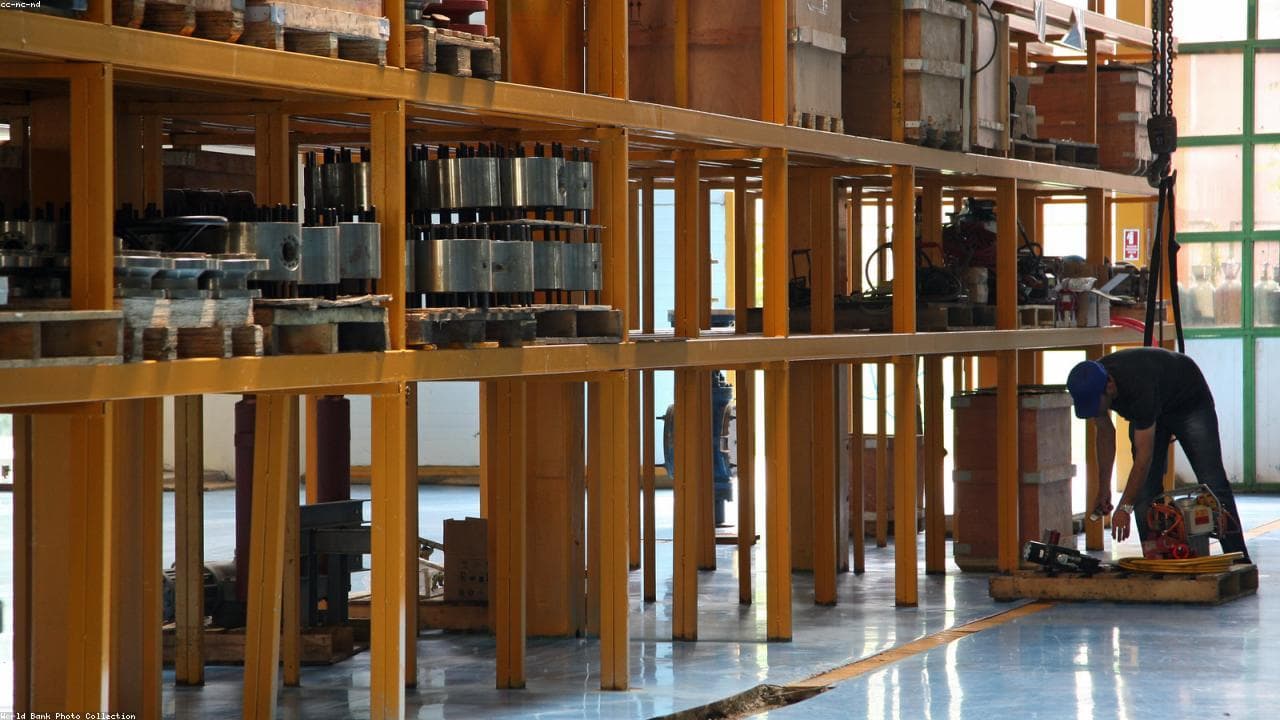
H2S & Gas Detection drills for power & utilities in Mumbai.
Book a walkthrough or start a focused pilot on your site.