
Fire & Evacuation VR training for manufacturing in Mumbai.
Mumbai, Maharashtra — chemicals, pharma and ports hub (MIDC, JNPT and the MMR industrial corridor). Practise extinguisher selection, fire-spread behaviour and coordinated evacuation in a true-to-life plant fire, without lighting one.
Fire & Evacuation VR training for manufacturing in Mumbai
DrillXR Fire and Evacuation puts a trainee inside a true-to-life plant fire so they can act, not just watch. The simulation reproduces Class A, B and C ignition and spread, the smoke that strips away visibility, the egress routes that get blocked when a fire takes hold, and the panic and crowd flow that turn an orderly evacuation into a crush. Inside the headset the learner raises the alarm, sizes up the fire, selects the correct extinguisher for the fuel involved, applies the P.A.S.S. technique under time pressure, moves to the designated safe route and accounts for personnel at the assembly point. Every one of those decisions carries a consequence the trainee can see and feel.
The stakes are heavy and statutory. The Factories Act 1948 obliges occupiers to provide adequate means of escape and fire-fighting provision, the National Building Code of India Part 4 sets the fire and life-safety framework for the premises themselves, and BIS IS 2190 governs which extinguisher belongs against which class of fire. Classroom slides and a once-a-year wet drill rarely build the muscle memory that decides whether someone reaches for water on an electrical fire or freezes when the corridor fills with smoke. DrillXR lets a workforce rehearse the full chain of response, repeatedly and assessably, without ever lighting a fire on site.
Fire & Evacuation training for Mumbai’s industrial base
Mumbai and the wider Mumbai Metropolitan Region form one of India's most complex industrial geographies, where chemicals, pharmaceuticals, ports and logistics collide inside a single dense corridor. The MIDC estates across the MMR, the Jawaharlal Nehru Port (JNPT) at Nhava Sheva and the long industrial belt running through Navi Mumbai, Thane and Taloja put hazardous-chemical processing, bulk storage, container handling and warehousing in close proximity to one of the most crowded urban populations on earth. Many of these are Major Accident Hazard (MAH) units, where a process-safety failure is not a local event but a regional one, and where regulators and surrounding communities watch closely.
In Mumbai's chemical and port economy the worst incidents — a toxic release, a confined-space fatality during tank entry, an uncontrolled spill, a botched emergency response — are precisely the ones that cannot be rehearsed on the real asset without endangering people. That is the gap VR closes. DrillXR lets a worker practise atmospheric testing and permit-to-work before a vessel entry, don the correct PPE for a specific spilled substance, and run a timed, role-based emergency drill where coordination itself is scored, not just individual steps. For MAH units across the MMR whose on-site emergency plans must be demonstrably tested, immersive drills produce a defensible, repeatable competence record that a classroom session and a signed attendance sheet simply cannot. In a region this densely populated, the margin for an undertrained response is unforgiving.
Inside a fire & evacuation drill
A session opens on the shop floor as a fault sparks a small Class B fuel fire near a process line. The trainee first raises the alarm at the nearest call point, establishing that life safety and notification come before any attempt to fight the fire. They then assess size and fuel type and select an extinguisher from the station; choose a water unit on the flammable liquid and the fire spreads. With the correct agent in hand they apply P.A.S.S., aiming at the base and sweeping until knockdown. As smoke banks down and one corridor fills, the headset presents a route choice and the learner evacuates by the safe egress to the assembly point, where they complete a head count. Hesitation, a wrong agent or a missed head count all register against the score.
Manufacturing risk in focus
Manufacturing incidents cluster around a few recurring failure modes. Machine entanglement and nip-point injuries happen when guards are defeated or a machine is accessed before it reaches a true zero-energy state. Material-handling incidents — forklift-pedestrian strikes, load tip-overs, racking collisions — dominate the lost-time statistics on busy shop floors. Fire, from electrical faults, hot work or solvent storage, can move faster than an untrained crew can react, and a poorly rehearsed line-side evacuation turns a containable event into a mass-casualty one. The common thread is that each of these is a procedural failure under pressure, not a knowledge gap a worker can talk their way through on a written test.
Go deeper on the Fire & Evacuation module, VR training for manufacturing, or all training in Mumbai.
The hazards drilled
- Class A/B/C fire ignition & spread
- smoke spread and visibility loss
- blocked egress routes
- panic and crowd flow
Manufacturing risks in Mumbai
- machine entanglement
- material-handling incidents
- fire
- line-side evacuation
The scored procedure
- 01Raise the alarm
- 02Select the correct extinguisher
- 03Apply P.A.S.S. technique
- 04Evacuate via the safe route
- 05Account for personnel at the assembly point
Compliance mapping
Related drills for manufacturing
Explore the Fire & Evacuation module, VR training for manufacturing, or all training in Mumbai.
Fire & Evacuation VR training in Mumbai — FAQs
Why run fire & evacuation VR training for manufacturing in Mumbai?
Mumbai is chemicals, pharma and ports hub (MIDC, JNPT and the MMR industrial corridor). Manufacturing teams there face machine entanglement, material-handling incidents, fire. DrillXR lets crews rehearse fire & evacuation safely and repeatably, with scored, audit-ready evidence.
What does the Fire & Evacuation simulation cover?
Practise extinguisher selection, fire-spread behaviour and coordinated evacuation in a true-to-life plant fire, without lighting one. It reproduces Class A/B/C fire ignition & spread, smoke spread and visibility loss, blocked egress routes.
Which regulations apply?
Factories Act 1948 (fire safety & means of escape); National Building Code of India (Part 4 Fire & Life Safety); BIS IS 2190 (fire extinguisher selection); Factories Act 1948; BIS machinery standards; state Factory Inspectorate.
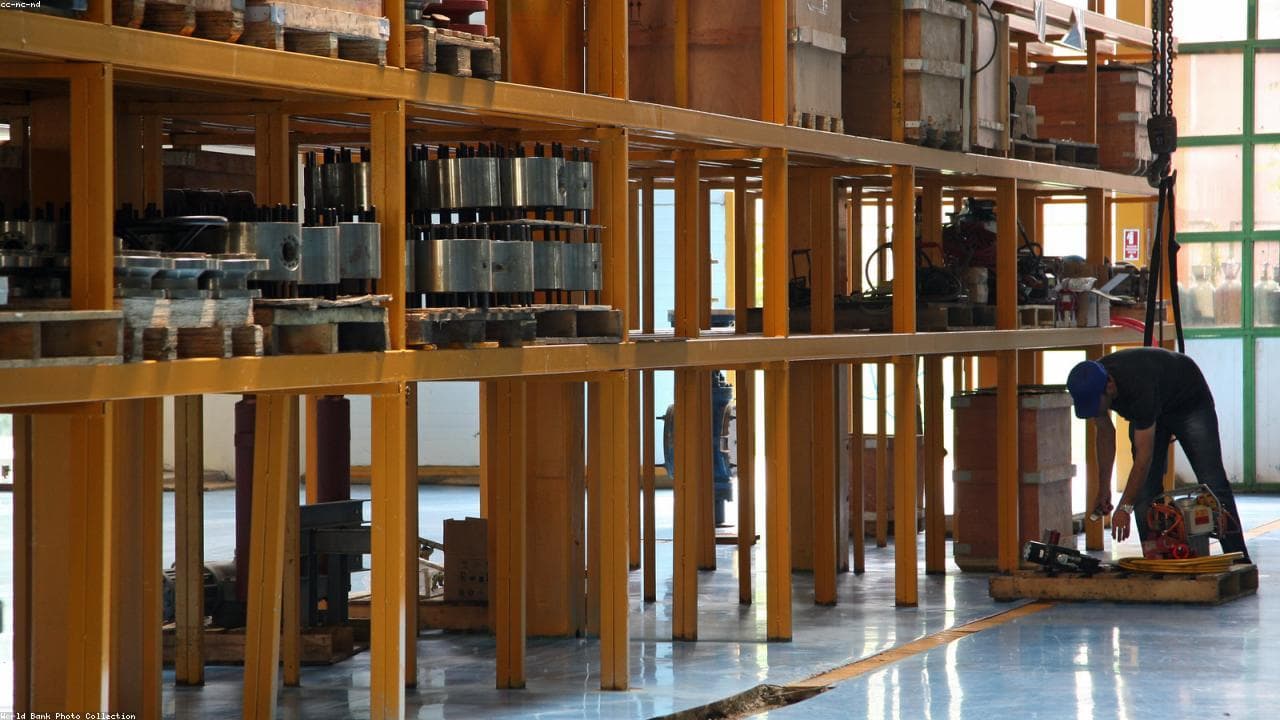
Fire & Evacuation drills for manufacturing in Mumbai.
Book a walkthrough or start a focused pilot on your site.