
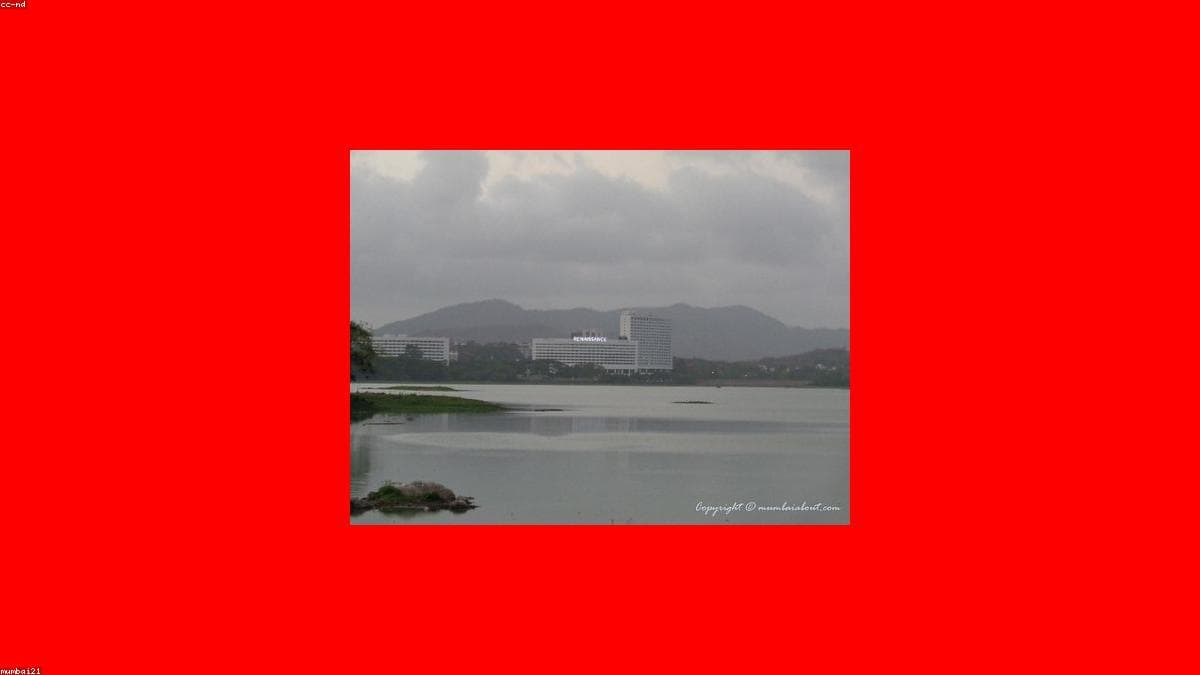
Combustible Dust & Explosion VR training for manufacturing in Mumbai.
Mumbai, Maharashtra — chemicals, pharma and ports hub (MIDC, JNPT and the MMR industrial corridor). Rehearse housekeeping, ignition-source control and dust-accumulation recognition in a virtual plant so workers break the explosion pentagon before it forms.
Combustible Dust & Explosion VR training for manufacturing in Mumbai
DrillXR Combustible Dust and Explosion trains workers to recognise and break up the conditions that lead to a dust explosion before they ever combine. The simulation reproduces the hazards behind these incidents: combustible dust accumulating on ledges and surfaces until a disturbance throws it into a cloud, ignition sources present in a dusty area, dust-extraction and deflagration controls defeated or neglected, and hot work carried out in an unswept space. Inside the headset the worker recognises the dust hazard and its accumulation, controls ignition sources in the area, maintains the extraction and dust-collection systems, applies safe housekeeping and cleaning, and controls hot work and reports hazards. Because a dust explosion needs fuel, oxygen, dispersion, confinement and an ignition source together, the headset trains the worker to see and remove the elements of that pentagon rather than treating loose dust as merely untidy.
Combustible-dust incidents are devastating and often involve a small primary event that disturbs settled dust and triggers a far larger secondary explosion. India's framework treats explosive atmospheres seriously: the Factories Act 1948 carries duties around dangerous dusts and explosive atmospheres on the premises, the Manufacture, Storage and Import of Hazardous Chemicals (MSIHC) Rules 1989 govern the wider hazardous-substance regime, and the site dust-control and on-site emergency plan defines how accumulation is managed and how an event is responded to. The dangerous habit is not ignorance but normalisation: dust on a beam is seen every day and stops registering as fuel, an extraction system runs degraded, or a grinder is used in an unswept corner. DrillXR lets a worker see settled dust become a cloud and ignite in the headset, building the housekeeping-and-ignition-control instinct before a real cloud forms.
Combustible Dust & Explosion training for Mumbai’s industrial base
Mumbai and the wider Mumbai Metropolitan Region form one of India's most complex industrial geographies, where chemicals, pharmaceuticals, ports and logistics collide inside a single dense corridor. The MIDC estates across the MMR, the Jawaharlal Nehru Port (JNPT) at Nhava Sheva and the long industrial belt running through Navi Mumbai, Thane and Taloja put hazardous-chemical processing, bulk storage, container handling and warehousing in close proximity to one of the most crowded urban populations on earth. Many of these are Major Accident Hazard (MAH) units, where a process-safety failure is not a local event but a regional one, and where regulators and surrounding communities watch closely.
In Mumbai's chemical and port economy the worst incidents — a toxic release, a confined-space fatality during tank entry, an uncontrolled spill, a botched emergency response — are precisely the ones that cannot be rehearsed on the real asset without endangering people. That is the gap VR closes. DrillXR lets a worker practise atmospheric testing and permit-to-work before a vessel entry, don the correct PPE for a specific spilled substance, and run a timed, role-based emergency drill where coordination itself is scored, not just individual steps. For MAH units across the MMR whose on-site emergency plans must be demonstrably tested, immersive drills produce a defensible, repeatable competence record that a classroom session and a signed attendance sheet simply cannot. In a region this densely populated, the margin for an undertrained response is unforgiving.
Inside a combustible dust & explosion drill
The session places the trainee in a virtual plant area where combustible dust is generated and can settle. They begin by recognising the dust hazard, identifying where dust has accumulated on ledges, beams and equipment and understanding it as fuel rather than mess. They control ignition sources in the area, and using or permitting an ignition source near accumulated dust is flagged, with the simulation able to demonstrate the cloud and the explosion that follows a disturbance. They check the extraction and dust-collection system is running and effective, and a defeated or degraded control is registered. They then apply safe housekeeping, cleaning by methods that do not throw dust into suspension. Tasked with a hot-work need, they must control it, refusing hot work in an unswept area until the accumulation is cleared. The run closes once the hazard is recognised, ignition controlled, extraction confirmed and the area cleaned and reported.
Manufacturing risk in focus
Manufacturing incidents cluster around a few recurring failure modes. Machine entanglement and nip-point injuries happen when guards are defeated or a machine is accessed before it reaches a true zero-energy state. Material-handling incidents — forklift-pedestrian strikes, load tip-overs, racking collisions — dominate the lost-time statistics on busy shop floors. Fire, from electrical faults, hot work or solvent storage, can move faster than an untrained crew can react, and a poorly rehearsed line-side evacuation turns a containable event into a mass-casualty one. The common thread is that each of these is a procedural failure under pressure, not a knowledge gap a worker can talk their way through on a written test.
Go deeper on the Combustible Dust & Explosion module, VR training for manufacturing, or all training in Mumbai.
The hazards drilled
- combustible dust accumulation & secondary explosions
- ignition sources in dusty areas
- defeated dust-extraction & deflagration controls
- hot work in unswept areas
Manufacturing risks in Mumbai
- machine entanglement
- material-handling incidents
- fire
- line-side evacuation
The scored procedure
- 01Recognise the dust hazard and accumulation
- 02Control ignition sources in the area
- 03Maintain extraction and dust-collection
- 04Apply safe housekeeping and cleaning
- 05Control hot work and report hazards
Compliance mapping
Related drills for manufacturing
Explore the Combustible Dust & Explosion module, VR training for manufacturing, or all training in Mumbai.
Combustible Dust & Explosion VR training in Mumbai — FAQs
Why run combustible dust & explosion VR training for manufacturing in Mumbai?
Mumbai is chemicals, pharma and ports hub (MIDC, JNPT and the MMR industrial corridor). Manufacturing teams there face machine entanglement, material-handling incidents, fire. DrillXR lets crews rehearse combustible dust & explosion safely and repeatably, with scored, audit-ready evidence.
What does the Combustible Dust & Explosion simulation cover?
Rehearse housekeeping, ignition-source control and dust-accumulation recognition in a virtual plant so workers break the explosion pentagon before it forms. It reproduces combustible dust accumulation & secondary explosions, ignition sources in dusty areas, defeated dust-extraction & deflagration controls.
Which regulations apply?
Factories Act 1948 (dangerous dusts & explosive atmospheres); Manufacture, Storage & Import of Hazardous Chemicals (MSIHC) Rules 1989; site dust-control & on-site emergency plan; Factories Act 1948; BIS machinery standards; state Factory Inspectorate.
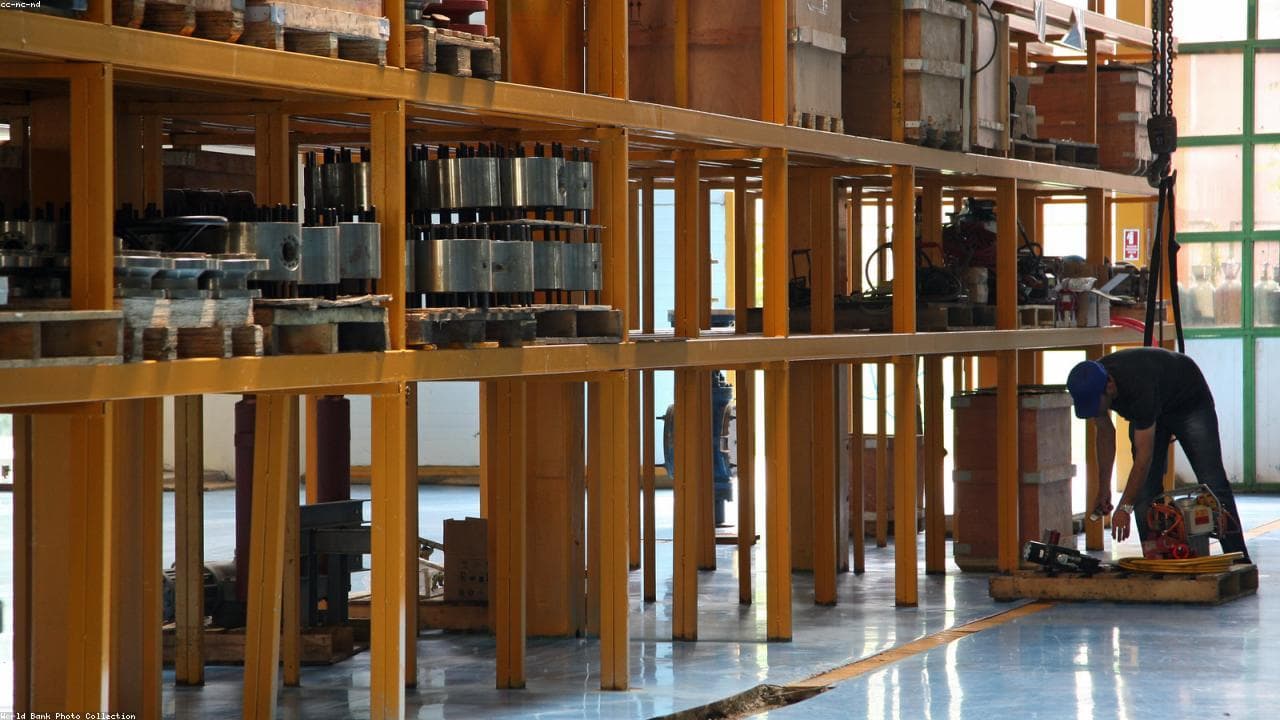
Combustible Dust & Explosion drills for manufacturing in Mumbai.
Book a walkthrough or start a focused pilot on your site.