

Drum & IBC Handling VR training for chemicals in Visakhapatnam.
Visakhapatnam, Andhra Pradesh — steel, port and petrochemicals hub (the Visakhapatnam port and petro cluster). Rehearse safe movement, stacking and decanting of drums and IBCs so chemical containers are handled without spills, strains or incompatible mixing.
Drum & IBC Handling VR training for chemicals in Visakhapatnam
DrillXR Drum and IBC Handling trains workers to move, stack and decant chemical drums and intermediate bulk containers without spills, strains or dangerous mixing. The simulation reproduces the hazards that drive real incidents: manual-handling strains from rolling, lifting and tipping heavy drums; spills and splashes when decanting or coupling a hose; container failure from over-stacking, damage or a corroded drum; and the incompatible-chemical contact that can produce heat, gas or a violent reaction. Inside the headset the trainee checks the label, safety data sheet and container condition, selects the correct handling equipment and PPE, moves and positions the drum or IBC safely, decants or couples over containment without spilling, and stacks within limits while segregating chemicals by compatibility.
Handling bulk chemical containers is hazardous on every axis at once — weight, chemistry and pressure — and the regulatory framework reflects it. The Manufacture, Storage and Import of Hazardous Chemicals (MSIHC) Rules 1989 govern how hazardous chemicals are handled and stored, and the Factories Act 1948 carries duties for the safe handling of dangerous and hazardous substances. A site chemical handling and storage procedure then sets stacking limits, segregation rules and decanting controls. The dangerous shortcut is familiarity: rolling a drum without checking the label, decanting without containment, stacking IBCs one tier too high. DrillXR lets a worker take that shortcut in the headset and see the spill, the strain or the reaction follow, building the discipline of check-first and segregate-always before a real container fails.
Drum & IBC Handling training for Visakhapatnam’s industrial base
Visakhapatnam is the industrial and maritime anchor of Andhra Pradesh, where a major deep-water port, integrated steel production and a cluster of petrochemical and process industries converge on the coast. The Visakhapatnam port — one of India's largest by cargo — drives bulk handling, container operations and terminal logistics, while the integrated steel plant and the surrounding petrochemical, refining and chemical units make the city a heavy-process hub. This combination of port operations and continuous-process industry gives Vizag a distinctive dual hazard profile: dockside lifting, traffic and confined holds on one side, and process-safety, confined vessels and hot work on the other.
Vizag's blend of port and heavy-process industry concentrates hazards that are both varied and severe: a lifting failure or hold entry at the port, a confined-vessel entry or hot-metal incident at the steel plant, a process-safety or fire event in the petro cluster. These cannot be safely staged on the real asset, and a workforce split across docks, mills and process units needs more than a generic classroom briefing. VR delivers targeted, assessed rehearsal. A dock worker can practise safe lifting and confined-hold entry, a steel operator machine isolation, and a process technician spill response and emergency coordination — each scored on every attempt. For MAH petro units and port operators answering to several regulators at once, that immersive, reproducible competence record is the strongest, most defensible evidence available.
Inside a drum & ibc handling drill
The trainee approaches a store of drums and IBCs with a task to relocate and decant a chemical. They begin by reading the label and SDS and checking the container's condition; a corroded or unlabelled container taken into use is logged. They select the correct handling equipment — a drum trolley or grab rather than brute force — and don the PPE the SDS specifies. Moving the container, the trainee positions it without dropping or over-reaching, the manual-handling step scored on technique. Decanting, they work over a bund or containment tray and couple correctly so no spill occurs; skip containment and the simulation spreads the spill. Finally they stack within the rated limit and segregate the chemical away from incompatible neighbours; place it beside an incompatible drum and the scenario demonstrates the reaction. Each lapse registers against the score.
Chemicals risk in focus
Chemical-sector failure modes are process-safety driven and high-consequence. Toxic release — loss of containment of a hazardous substance — threatens workers on site and populations beyond the fence line, and demands instant correct PPE, containment and reporting. Runaway reactions, where exothermic processes exceed control, can rupture vessels and trigger fire or explosion. Confined-space entry into reactors, vessels and sumps combines toxic-atmosphere, residual-chemical and entrapment hazards. Fire and explosion from flammable inventories complete the profile. Each of these escalates in seconds and turns entirely on whether trained crews execute the right procedure under acute stress.
Go deeper on the Drum & IBC Handling module, VR training for chemicals, or all training in Visakhapatnam.
The hazards drilled
- manual handling strains from rolling and lifting drums
- spills and splashes when decanting or coupling
- drum or IBC failure from over-stacking or damage
- incompatible chemical contact and dangerous reactions
Chemicals risks in Visakhapatnam
- toxic release
- runaway reactions
- confined space
- fire/explosion
The scored procedure
- 01Check the label, SDS and container condition
- 02Select the correct handling equipment and PPE
- 03Move and position the drum or IBC safely
- 04Decant or couple over containment without spilling
- 05Stack within limits and segregate by compatibility
Compliance mapping
Related drills for chemicals
Explore the Drum & IBC Handling module, VR training for chemicals, or all training in Visakhapatnam.
Drum & IBC Handling VR training in Visakhapatnam — FAQs
Why run drum & ibc handling VR training for chemicals in Visakhapatnam?
Visakhapatnam is steel, port and petrochemicals hub (the Visakhapatnam port and petro cluster). Chemicals teams there face toxic release, runaway reactions, confined space. DrillXR lets crews rehearse drum & ibc handling safely and repeatably, with scored, audit-ready evidence.
What does the Drum & IBC Handling simulation cover?
Rehearse safe movement, stacking and decanting of drums and IBCs so chemical containers are handled without spills, strains or incompatible mixing. It reproduces manual handling strains from rolling and lifting drums, spills and splashes when decanting or coupling, drum or IBC failure from over-stacking or damage.
Which regulations apply?
Manufacture, Storage and Import of Hazardous Chemicals (MSIHC) Rules 1989; Factories Act 1948 (handling of dangerous & hazardous substances); site chemical handling & storage standard operating procedure; MSIHC Rules; Factories Act 1948 (MAH units); PESO.
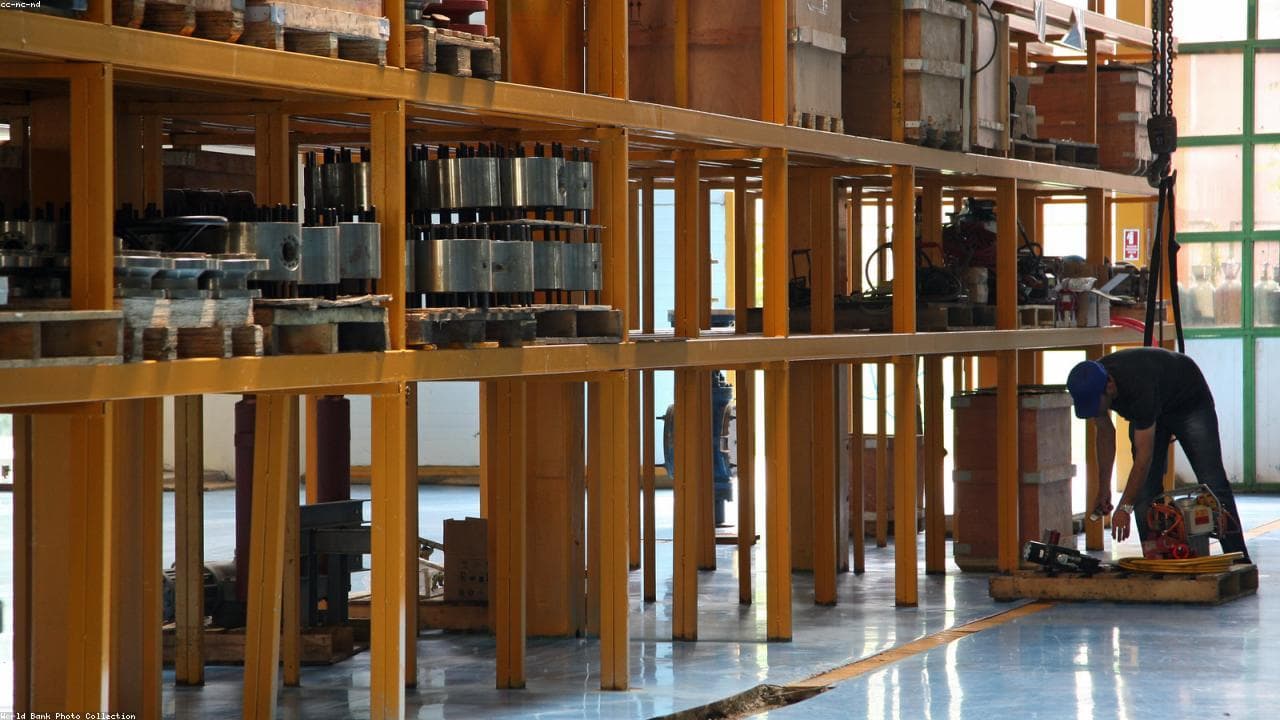
Drum & IBC Handling drills for chemicals in Visakhapatnam.
Book a walkthrough or start a focused pilot on your site.