
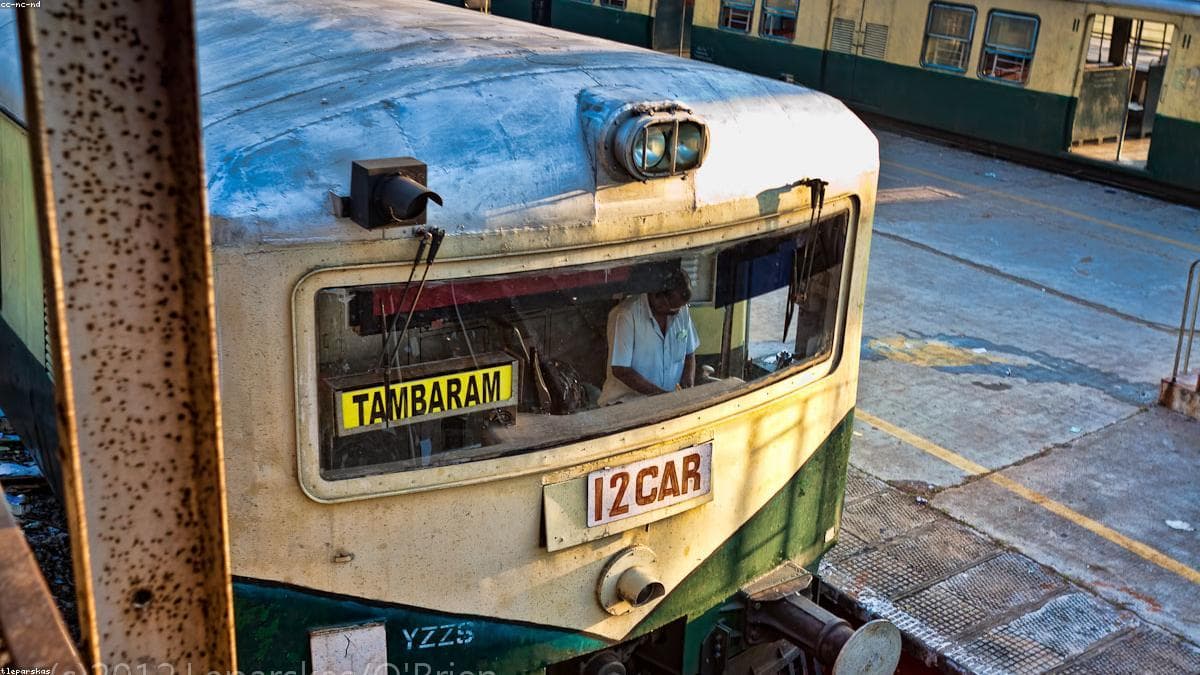
Demolition Safety VR training for construction in Chennai.
Chennai, Tamil Nadu — automotive and heavy-engineering hub (Sriperumbudur–Oragadam auto cluster). Rehearse pre-demolition survey, sequencing and exclusion-zone control so a structure is brought down in the planned order rather than collapsing unexpectedly.
Demolition Safety VR training for construction in Chennai
DrillXR Demolition Safety puts a trainee on a structure being taken down, where the work is the deliberate creation of instability and a wrong move brings the building down early. The simulation reproduces the failures that cause demolition incidents: uncontrolled or premature structural collapse, disturbing hidden services and hazardous materials such as asbestos, falling debris and material thrown outside the exclusion zone, and the instability that follows when a load-bearing element is removed out of sequence. Inside the headset the trainee confirms the pre-demolition survey and method statement before anything is touched, isolates services and clears and barriers the exclusion zone, follows the planned top-down demolition sequence rather than improvising, controls debris, dust and material drop, and monitors stability throughout, stopping work on any unplanned movement. The discipline being built is survey-first, sequence-strict, and never remove a support out of order.
Demolition is among the most dangerous construction activities because it deliberately weakens a structure, and the margin for error narrows with every element removed. The Building and Other Construction Workers Act 1996 places safety duties on construction employers that apply directly to demolition, the National Building Code of India Part 4 addresses demolition and safe means of access, and every demolition runs to a method statement with an exclusion-zone standard operating procedure. The classic incident is not ignorance but a shortcut under programme pressure: a load-bearing element pulled before the structure above was relieved, a service left live and struck, or an exclusion zone that was waved through and a passer-by caught by falling material. A classroom cannot reproduce a structure collapsing in the wrong order; DrillXR lets the trainee follow, or break, the sequence on a virtual structure where the only cost is a lower score.
Demolition Safety training for Chennai’s industrial base
Chennai is India's automotive capital, and the Sriperumbudur–Oragadam corridor on the city's western fringe is the beating heart of it. The cluster hosts global car and commercial-vehicle OEMs, two-wheeler plants, a dense tier-one and tier-two supplier ecosystem, and the stamping, welding, painting and assembly operations that feed them. Heavy-engineering and electronics manufacturing round out the base. With several large assembly plants and hundreds of feeder units operating on tightly synchronised just-in-time schedules, the corridor runs continuous high-tempo production where a safety stoppage at one supplier can cascade through the whole line.
The economics of Chennai's auto corridor make undertrained operators expensive and dangerous in equal measure: a machine-interaction injury or a press incident stops a line that an OEM is counting on for just-in-time delivery. Classroom safety briefings cannot reliably build the muscle memory a press operator or a robotic-cell technician needs, and they leave no objective evidence of competence. VR does both. In the headset, an operator can confirm safe-stop and lock-and-verify before reaching into a cell, rehearse a weld-line hazard, and practise a line-side evacuation until the response is reflexive — and every attempt produces a score. For Sriperumbudur and Oragadam suppliers under constant OEM audit, that scored, repeatable record is what turns a training claim into demonstrable proof, across permanent and contract workers alike.
Inside a demolition safety drill
A session places the trainee on a structure scheduled for demolition. They begin by confirming the pre-demolition survey and the method statement, rather than starting on assumption; missing the survey or ignoring an identified hazardous material costs against the score. They isolate the services feeding the structure and clear and barrier the exclusion zone, accounting for people and the material-drop radius before anything comes down. They then follow the planned top-down demolition sequence, and the scenario penalises removing a load-bearing element out of order, the unplanned collapse plays out in simulation. Throughout, the trainee controls debris, dust and material drop so nothing leaves the zone. The run reaches its decisive point when the structure shows unplanned movement: the trainee must recognise it and stop work rather than press on. Breaking the sequence, leaving a service live, or working through an unguarded zone all register against the result.
Construction risk in focus
Construction fatalities are overwhelmingly concentrated in a handful of mechanisms. Falls from height — off scaffolds, edges, ladders and fragile roofs — are the single largest killer, usually traced to missing or misused fall-arrest equipment and wrong anchor selection. Lifting operations cause struck-by and crushing injuries when loads, exclusion zones and signalling are mismanaged. Excavation collapse buries workers in unsupported or wrongly battered trenches. Site-traffic incidents arise where plant, delivery vehicles and people share congested ground. These are split-second, physical failures that no written test can certify a worker against.
Go deeper on the Demolition Safety module, VR training for construction, or all training in Chennai.
The hazards drilled
- uncontrolled or premature structural collapse
- disturbing hidden services and hazardous materials such as asbestos
- falling debris and material outside the exclusion zone
- instability from removing load-bearing elements out of sequence
Construction risks in Chennai
- falls from height
- lifting operations
- excavation collapse
- site-traffic
The scored procedure
- 01Confirm the pre-demolition survey and method statement
- 02Isolate services and clear and barrier the exclusion zone
- 03Follow the planned demolition sequence top-down
- 04Control debris, dust and material drop
- 05Monitor stability and stop work on any unplanned movement
Compliance mapping
Related drills for construction
Explore the Demolition Safety module, VR training for construction, or all training in Chennai.
Demolition Safety VR training in Chennai — FAQs
Why run demolition safety VR training for construction in Chennai?
Chennai is automotive and heavy-engineering hub (Sriperumbudur–Oragadam auto cluster). Construction teams there face falls from height, lifting operations, excavation collapse. DrillXR lets crews rehearse demolition safety safely and repeatably, with scored, audit-ready evidence.
What does the Demolition Safety simulation cover?
Rehearse pre-demolition survey, sequencing and exclusion-zone control so a structure is brought down in the planned order rather than collapsing unexpectedly. It reproduces uncontrolled or premature structural collapse, disturbing hidden services and hazardous materials such as asbestos, falling debris and material outside the exclusion zone.
Which regulations apply?
Building and Other Construction Workers Act 1996 (construction worker safety); National Building Code of India Part 4 (demolition and safe means of access); site demolition method statement and exclusion-zone standard operating procedure; BOCW Act 1996; Factories Act (off-site works); BIS IS 3764.
Demolition Safety drills for construction in Chennai.
Book a walkthrough or start a focused pilot on your site.