
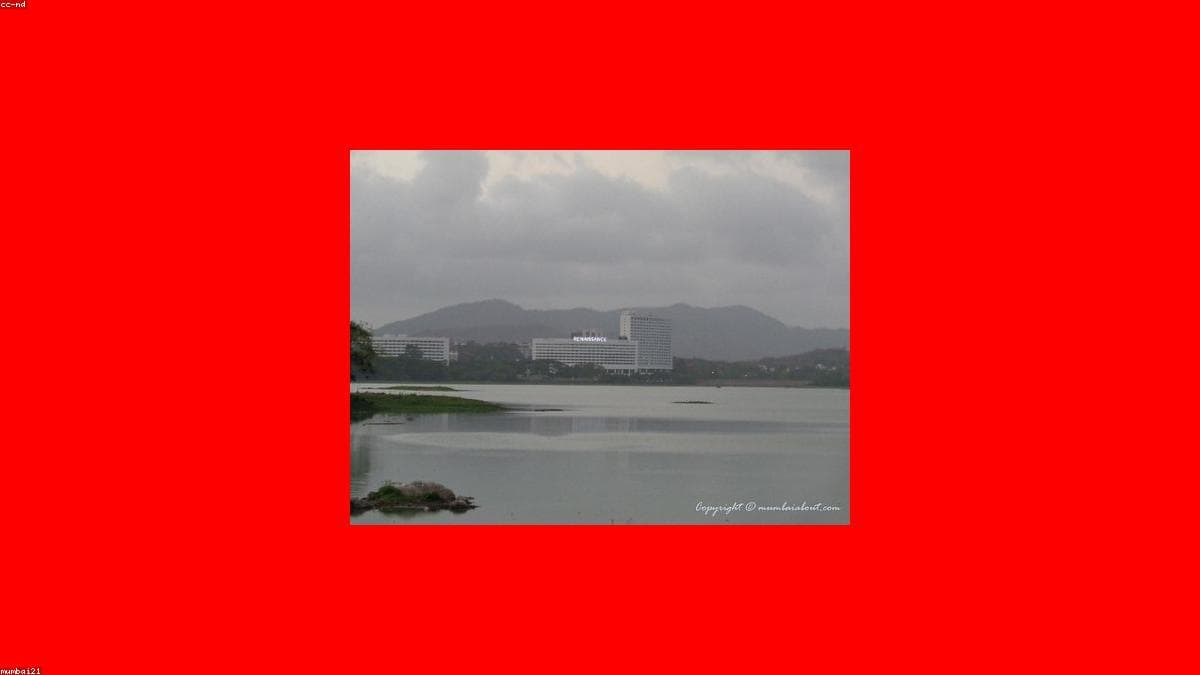
Cryogenic & LNG Safety VR training for chemicals in Mumbai.
Mumbai, Maharashtra — chemicals, pharma and ports hub (MIDC, JNPT and the MMR industrial corridor). Rehearse cryogenic PPE, cold-burn and asphyxiation awareness and safe LNG handling around vessels, lines and transfer points.
Cryogenic & LNG Safety VR training for chemicals in Mumbai
DrillXR Cryogenic and LNG Safety puts a trainee around the vessels, lines and transfer points where a substance at minus one hundred and sixty degrees behaves in ways that catch the unprepared. The simulation reproduces the hazards that make cryogenic and LNG work uniquely severe: the cold burns and frostbite that a splash or a touch of an uninsulated line inflicts instantly, the asphyxiation that follows when vaporised gas silently displaces the oxygen in a space, the rapid phase expansion and pressure build-up as liquid flashes to gas, and the embrittlement that lets cold-exposed equipment fail without warning. Inside the headset the trainee verifies cryogenic PPE and gas detection, checks line and vessel integrity before a transfer, controls the transfer while managing pressure and venting, responds to a cryogenic leak or spill, and isolates, ventilates and reports the release. The discipline being built is protected-first, watch-the-oxygen, and never trust a cold line by hand.
Cryogenic and LNG incidents combine cold injury, asphyxiation and pressure failure in ways that ordinary process training does not cover, and India's framework regulates them tightly. PESO and the SMPV (Unfired) Rules govern cryogenic and pressure vessels and their safe operation, the Gas Cylinders Rules 2016 control the storage and handling of compressed and liquefied gases, and the MSIHC Rules 1989 set the duties around handling hazardous chemicals and managing the incidents they cause. The dangerous failure is rarely ignorance; it is a worker who touches an uninsulated line, enters a vapour-filled bay without checking oxygen, or under-rates the pressure a warming liquid can generate. DrillXR lets a trainee make and survive those mistakes in the headset, watching a frostbite injury or an oxygen-deficiency alarm follow a shortcut, so the protected-and-monitored discipline is built before they ever stand beside real cryogenic equipment.
Cryogenic & LNG Safety training for Mumbai’s industrial base
Mumbai and the wider Mumbai Metropolitan Region form one of India's most complex industrial geographies, where chemicals, pharmaceuticals, ports and logistics collide inside a single dense corridor. The MIDC estates across the MMR, the Jawaharlal Nehru Port (JNPT) at Nhava Sheva and the long industrial belt running through Navi Mumbai, Thane and Taloja put hazardous-chemical processing, bulk storage, container handling and warehousing in close proximity to one of the most crowded urban populations on earth. Many of these are Major Accident Hazard (MAH) units, where a process-safety failure is not a local event but a regional one, and where regulators and surrounding communities watch closely.
In Mumbai's chemical and port economy the worst incidents — a toxic release, a confined-space fatality during tank entry, an uncontrolled spill, a botched emergency response — are precisely the ones that cannot be rehearsed on the real asset without endangering people. That is the gap VR closes. DrillXR lets a worker practise atmospheric testing and permit-to-work before a vessel entry, don the correct PPE for a specific spilled substance, and run a timed, role-based emergency drill where coordination itself is scored, not just individual steps. For MAH units across the MMR whose on-site emergency plans must be demonstrably tested, immersive drills produce a defensible, repeatable competence record that a classroom session and a signed attendance sheet simply cannot. In a region this densely populated, the margin for an undertrained response is unforgiving.
Inside a cryogenic & lng safety drill
The session opens at a virtual cryogenic or LNG transfer point with a task to perform. The trainee first verifies their cryogenic PPE, the face shield, the cryo gloves and the covered footwear, and confirms their gas detection is working, including oxygen monitoring; missing or unconfirmed protection costs against the score. They check the integrity of the lines and the vessel before any transfer, looking for ice, frost cracking or a compromised fitting rather than assuming the system is sound. They control the transfer, managing the pressure and the venting so a warming liquid does not over-pressure the system. The scenario then introduces a cryogenic leak or spill: the trainee must respond correctly, recognising the vapour cloud and the falling oxygen, retreating rather than walking into it, and avoiding cold contact. A bare-handed touch, a step into an oxygen-deficient cloud, or an ignored pressure rise registers against the result. The run closes as they isolate the source, ventilate the area and report the release.
Chemicals risk in focus
Chemical-sector failure modes are process-safety driven and high-consequence. Toxic release — loss of containment of a hazardous substance — threatens workers on site and populations beyond the fence line, and demands instant correct PPE, containment and reporting. Runaway reactions, where exothermic processes exceed control, can rupture vessels and trigger fire or explosion. Confined-space entry into reactors, vessels and sumps combines toxic-atmosphere, residual-chemical and entrapment hazards. Fire and explosion from flammable inventories complete the profile. Each of these escalates in seconds and turns entirely on whether trained crews execute the right procedure under acute stress.
Go deeper on the Cryogenic & LNG Safety module, VR training for chemicals, or all training in Mumbai.
The hazards drilled
- cold burns & frostbite from cryogenic contact
- asphyxiation from oxygen displacement by vaporised gas
- rapid phase expansion & pressure build-up
- embrittlement and failure of cold-exposed equipment
Chemicals risks in Mumbai
- toxic release
- runaway reactions
- confined space
- fire/explosion
The scored procedure
- 01Verify cryogenic PPE and gas detection
- 02Check line and vessel integrity before transfer
- 03Control the transfer and manage pressure and venting
- 04Respond to a cryogenic leak or spill
- 05Isolate, ventilate and report the release
Compliance mapping
Related drills for chemicals
Explore the Cryogenic & LNG Safety module, VR training for chemicals, or all training in Mumbai.
Cryogenic & LNG Safety VR training in Mumbai — FAQs
Why run cryogenic & lng safety VR training for chemicals in Mumbai?
Mumbai is chemicals, pharma and ports hub (MIDC, JNPT and the MMR industrial corridor). Chemicals teams there face toxic release, runaway reactions, confined space. DrillXR lets crews rehearse cryogenic & lng safety safely and repeatably, with scored, audit-ready evidence.
What does the Cryogenic & LNG Safety simulation cover?
Rehearse cryogenic PPE, cold-burn and asphyxiation awareness and safe LNG handling around vessels, lines and transfer points. It reproduces cold burns & frostbite from cryogenic contact, asphyxiation from oxygen displacement by vaporised gas, rapid phase expansion & pressure build-up.
Which regulations apply?
PESO / SMPV (Unfired) Rules (cryogenic & pressure vessels); Gas Cylinders Rules 2016 (storage & handling); MSIHC Rules 1989 (hazardous-chemical handling); MSIHC Rules; Factories Act 1948 (MAH units); PESO.
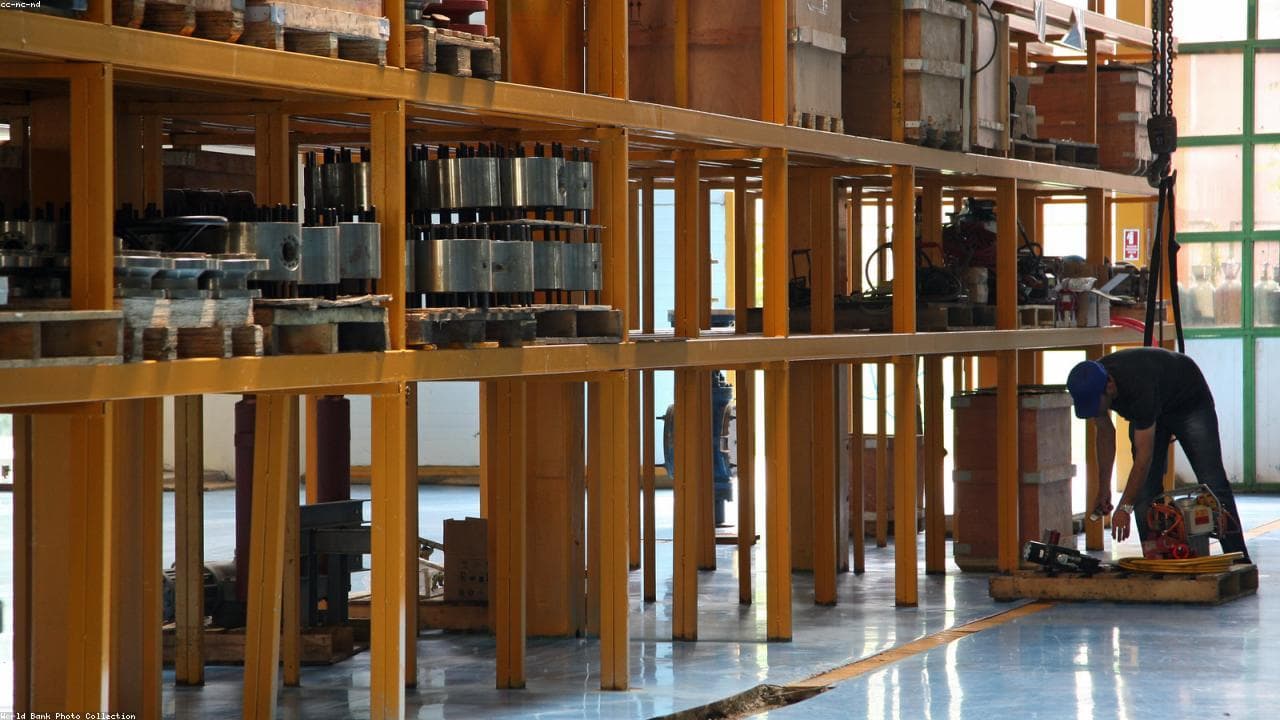
Cryogenic & LNG Safety drills for chemicals in Mumbai.
Book a walkthrough or start a focused pilot on your site.