

Compressed Gas Cylinders VR training for chemicals in Bengaluru.
Bengaluru, Karnataka — aerospace, machinery and manufacturing hub (Peenya and Bommasandra industrial areas). Practise cylinder inspection, secure handling, storage segregation and safe connection on virtual cylinders before a worker touches a live one.
Compressed Gas Cylinders VR training for chemicals in Bengaluru
DrillXR Compressed Gas Cylinders trains workers to inspect, move, store and connect cylinders correctly, so a routine gas job does not become a projectile or a release. The simulation reproduces the hazards that drive cylinder incidents: a cylinder knocked over so the valve shears and the cylinder rockets, incompatible gases stored together when they should be segregated, leaks and regulator misuse that lead to over-pressure, and the rolling, dragging and unsecured transport that damages a cylinder or the person moving it. Inside the headset the worker inspects the cylinder, valve and markings, secures it upright and chained, checks storage segregation and ventilation, connects the regulator and leak-tests the joint, and isolates, caps and stores the cylinder after use. Because a cylinder is a pressure vessel that looks harmless until it is mishandled, the headset trains the secure-inspect-segregate-leak-test discipline a quick job tends to skip.
Compressed gas is governed tightly in India because the failure modes are violent. The PESO / Gas Cylinders Rules 2016 set the requirements for the handling, storage and transport of gas cylinders, the Factories Act 1948 carries duties around the storage of gases under pressure on the premises, and the Static and Mobile Pressure Vessels (SMPV) Rules govern the larger pressure-vessel and bulk-storage side of the same hazard. The dangerous habit is not ignorance but convenience: standing a cylinder unchained for "just a minute", storing oxygen next to a fuel gas, or cracking a regulator without a leak test. A classroom cannot let a worker feel a cylinder go over and shear its valve; DrillXR lets them make and correct that mistake in the headset, building the secure-and-segregate instinct before they handle a live cylinder.
Compressed Gas Cylinders training for Bengaluru’s industrial base
Beyond its software reputation, Bengaluru carries a substantial hard-manufacturing economy concentrated in the Peenya and Bommasandra industrial areas. Peenya, one of Asia's largest industrial estates, is a dense grid of machinery, machine-tool, electrical-equipment and precision-engineering units. Bommasandra to the south blends general manufacturing with pharma and electronics. Layered over this is Bengaluru's aerospace and defence manufacturing base — public-sector heavyweights and a growing private supplier ecosystem producing high-precision, high-consequence components. The city's industrial workforce is large, skilled and shift-based, spread across thousands of small and mid-sized units.
Bengaluru's machinery-heavy base makes machine-interaction the defining hazard: an unguarded nip point, a defeated interlock, or a machine that restarts during maintenance because isolation was incomplete. These failures are sudden and severe, and they are not reliably prevented by a slide deck. VR builds the right reflexes. In the headset an operator identifies guards and interlocks, confirms safe-stop, and practises lock-and-verify before access until the sequence is automatic — and the system scores every attempt. For Peenya's thousands of engineering units and Bommasandra's manufacturers, and especially for aerospace and defence suppliers whose customers demand documented competence, that assessed, repeatable record is far more credible than an attendance register. It also lets a multi-unit operator hold every site and every shift to the same measurable safety standard.
Inside a compressed gas cylinders drill
The session begins at a virtual cylinder store with a gas-supply task. The trainee first inspects the cylinder, its valve and its markings, checking for damage and confirming the gas and its condition rather than assuming. They secure the cylinder upright and chained before doing anything else; leaving it free-standing is flagged, and the simulation can demonstrate a knock-over and valve shear. They check storage segregation and ventilation, and placing an oxidiser beside a fuel gas, or a full beside an empty without separation, is registered. Moving to use, they connect the regulator correctly and leak-test the joint before opening the supply; skip the leak test and a release is demonstrated. With the task complete, the worker isolates the supply, caps the valve, and returns the cylinder to its secured, segregated storage position rather than leaving it loose.
Chemicals risk in focus
Chemical-sector failure modes are process-safety driven and high-consequence. Toxic release — loss of containment of a hazardous substance — threatens workers on site and populations beyond the fence line, and demands instant correct PPE, containment and reporting. Runaway reactions, where exothermic processes exceed control, can rupture vessels and trigger fire or explosion. Confined-space entry into reactors, vessels and sumps combines toxic-atmosphere, residual-chemical and entrapment hazards. Fire and explosion from flammable inventories complete the profile. Each of these escalates in seconds and turns entirely on whether trained crews execute the right procedure under acute stress.
Go deeper on the Compressed Gas Cylinders module, VR training for chemicals, or all training in Bengaluru.
The hazards drilled
- cylinder fall, knock-over and valve shear
- incompatible-gas storage & segregation failure
- leaks, regulator misuse and over-pressure
- rolling, dragging and unsecured transport
Chemicals risks in Bengaluru
- toxic release
- runaway reactions
- confined space
- fire/explosion
The scored procedure
- 01Inspect the cylinder, valve and markings
- 02Secure the cylinder upright and chained
- 03Check storage segregation and ventilation
- 04Connect the regulator and leak-test
- 05Isolate, cap and store after use
Compliance mapping
Related drills for chemicals
Explore the Compressed Gas Cylinders module, VR training for chemicals, or all training in Bengaluru.
Compressed Gas Cylinders VR training in Bengaluru — FAQs
Why run compressed gas cylinders VR training for chemicals in Bengaluru?
Bengaluru is aerospace, machinery and manufacturing hub (Peenya and Bommasandra industrial areas). Chemicals teams there face toxic release, runaway reactions, confined space. DrillXR lets crews rehearse compressed gas cylinders safely and repeatably, with scored, audit-ready evidence.
What does the Compressed Gas Cylinders simulation cover?
Practise cylinder inspection, secure handling, storage segregation and safe connection on virtual cylinders before a worker touches a live one. It reproduces cylinder fall, knock-over and valve shear, incompatible-gas storage & segregation failure, leaks, regulator misuse and over-pressure.
Which regulations apply?
PESO / Gas Cylinders Rules 2016; Factories Act 1948 (storage of gases under pressure); Static & Mobile Pressure Vessels (SMPV) Rules; MSIHC Rules; Factories Act 1948 (MAH units); PESO.
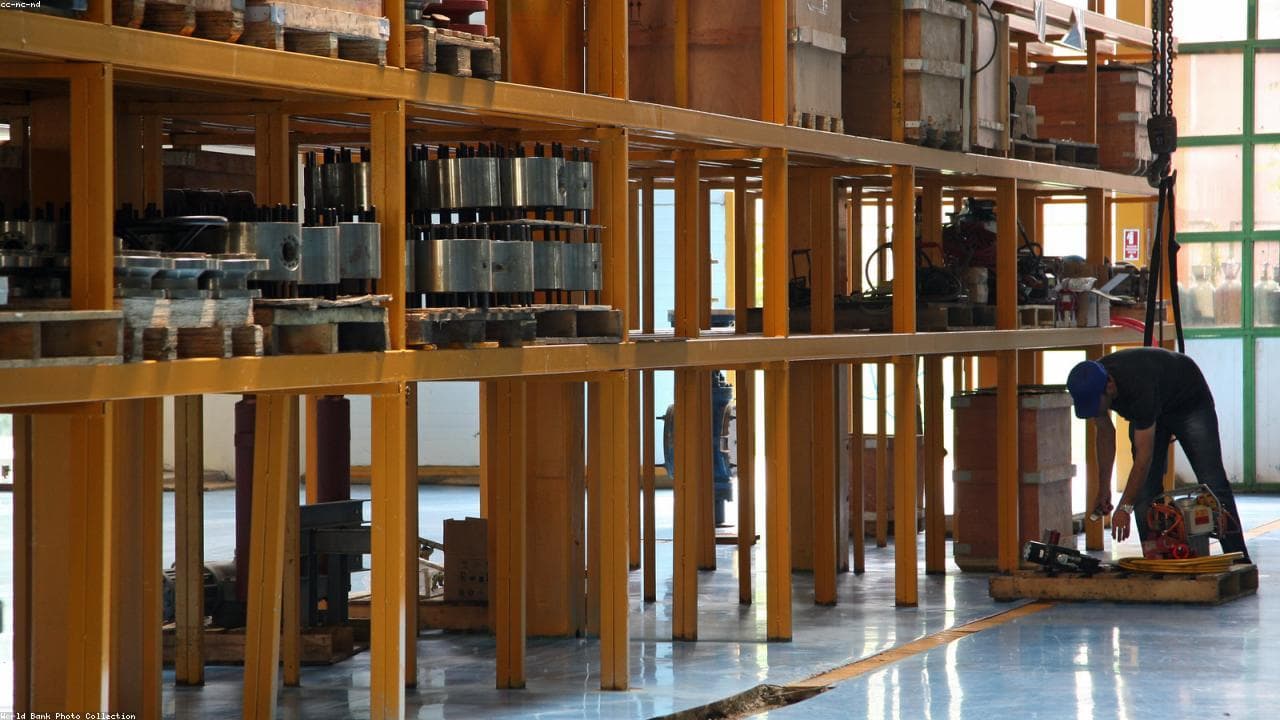
Compressed Gas Cylinders drills for chemicals in Bengaluru.
Book a walkthrough or start a focused pilot on your site.