

Cable Jointing & Underground Cables VR training for construction in Pune.
Pune, Maharashtra — auto, engineering and manufacturing belt (Chakan–Talegaon and Ranjangaon industrial clusters). Rehearse cable identification, spiking and prove-dead discipline before cutting an underground cable, in a simulation where a wrong cut teaches instead of kills.
Cable Jointing & Underground Cables VR training for construction in Pune
DrillXR Cable Jointing and Underground Cables trains the moment that decides whether a cable job is routine or fatal: positively identifying the cable as dead before cutting into it. The simulation reproduces the hazards that make underground cable work dangerous: cutting or spiking the wrong, still-live cable, the arc and explosion that follows when a live cable is breached, induced voltage appearing on a parallel de-energised cable, and strikes on other buried services during excavation. Inside the headset the worker identifies and traces the correct cable from records, confirms isolation and proves dead and applies earths, positively identifies and spikes the cable before any cut, prepares the joint and maintains a clean working area, and completes the joint, tests it and records the work. The headset is built to make the identify-prove-spike-then-cut discipline automatic.
Underground cable work is hazardous precisely because the conductor is hidden and the consequence of misidentification is an arc blast. India's framework governs both the electrical and the excavation risk. The Electricity Act 2003 and the Central Electricity Authority safety regulations set the duties for safe work on the cable, the Building and Other Construction Workers Act covers the excavation and trenching that exposes it, and a site cable-identification and permit-to-work procedure controls the work. The classic and deadly error is cutting a cable identified only from a drawing, without the cable-spiking step that proves it dead at the point of work. A diagram on a wall cannot build that discipline. DrillXR lets a jointer trace, prove, earth and spike a cable in the headset, and experience the blast of getting it wrong, before they ever cut a real one.
Cable Jointing & Underground Cables training for Pune’s industrial base
Pune is one of western India's most concentrated manufacturing economies, anchored by the Chakan–Talegaon belt and the Ranjangaon industrial cluster on the Pune–Ahmednagar axis. The corridor packs automotive OEMs, two-wheeler giants, tier-one component suppliers, precision engineering shops and a deep bench of forging, casting and machining units into a relatively tight geography. Shift-based production runs around the clock, and a large share of the workforce is contract and migrant labour that rotates frequently between plants. That combination — high-throughput lines, heavy material handling and a constantly refreshing operator pool — makes consistent, repeatable safety competence one of the hardest operational problems a Pune plant manager has to solve.
Pune's manufacturing density means a single unsafe forklift turn, a defeated machine guard or a slow line-side evacuation can stop production across a tier-one supplier and ripple straight up to the OEM. Traditional induction — a slide deck, a signed register, a walk of the shop — does not reliably transfer competence to a workforce that turns over quickly and often does not share a first language with the trainer. VR changes the economics of that problem. A new operator can rehearse a tip-over, a pedestrian near-miss or a press lockout in the headset until the correct response is automatic, and the plant gets a numerical score for every attempt rather than a signature on a sheet. For Chakan and Ranjangaon suppliers under continuous OEM audit, that assessable, repeatable record is the difference between claiming training happened and proving it did.
Inside a cable jointing & underground cables drill
The session opens at a virtual excavation with several cables exposed and a joint to make on one of them. The trainee first identifies and traces the target cable from the records, distinguishing it from the parallel cables around it rather than guessing. They confirm the isolation, prove the cable dead and apply earths at the appropriate points. Before any cut they perform the positive identification and cable-spiking step at the point of work, the action that proves the dead cable is the one in front of them; cut on records alone and the simulation demonstrates the arc and explosion of breaching a live cable. With identity confirmed, they prepare the joint and maintain a clean, contamination-free working area. They complete the joint, carry out the test, and record the work. Striking an adjacent buried service during the dig is also captured against the score.
Construction risk in focus
Construction fatalities are overwhelmingly concentrated in a handful of mechanisms. Falls from height — off scaffolds, edges, ladders and fragile roofs — are the single largest killer, usually traced to missing or misused fall-arrest equipment and wrong anchor selection. Lifting operations cause struck-by and crushing injuries when loads, exclusion zones and signalling are mismanaged. Excavation collapse buries workers in unsupported or wrongly battered trenches. Site-traffic incidents arise where plant, delivery vehicles and people share congested ground. These are split-second, physical failures that no written test can certify a worker against.
Go deeper on the Cable Jointing & Underground Cables module, VR training for construction, or all training in Pune.
The hazards drilled
- cutting or spiking the wrong, still-live cable
- arc and explosion when a live cable is breached
- induced voltage on a parallel de-energised cable
- strike on buried services during excavation
Construction risks in Pune
- falls from height
- lifting operations
- excavation collapse
- site-traffic
The scored procedure
- 01Identify and trace the correct cable from records
- 02Confirm isolation, prove dead and apply earths
- 03Positively identify and spike the cable before cutting
- 04Prepare the joint and maintain a clean working area
- 05Complete the joint, test and record the work
Compliance mapping
Related drills for construction
Explore the Cable Jointing & Underground Cables module, VR training for construction, or all training in Pune.
Cable Jointing & Underground Cables VR training in Pune — FAQs
Why run cable jointing & underground cables VR training for construction in Pune?
Pune is auto, engineering and manufacturing belt (Chakan–Talegaon and Ranjangaon industrial clusters). Construction teams there face falls from height, lifting operations, excavation collapse. DrillXR lets crews rehearse cable jointing & underground cables safely and repeatably, with scored, audit-ready evidence.
What does the Cable Jointing & Underground Cables simulation cover?
Rehearse cable identification, spiking and prove-dead discipline before cutting an underground cable, in a simulation where a wrong cut teaches instead of kills. It reproduces cutting or spiking the wrong, still-live cable, arc and explosion when a live cable is breached, induced voltage on a parallel de-energised cable.
Which regulations apply?
Electricity Act 2003 with Central Electricity Authority (Measures relating to Safety and Electric Supply) Regulations 2010; Building and Other Construction Workers Act 1996 (excavation and trenching duties); site cable-identification and permit-to-work procedure; BOCW Act 1996; Factories Act (off-site works); BIS IS 3764.
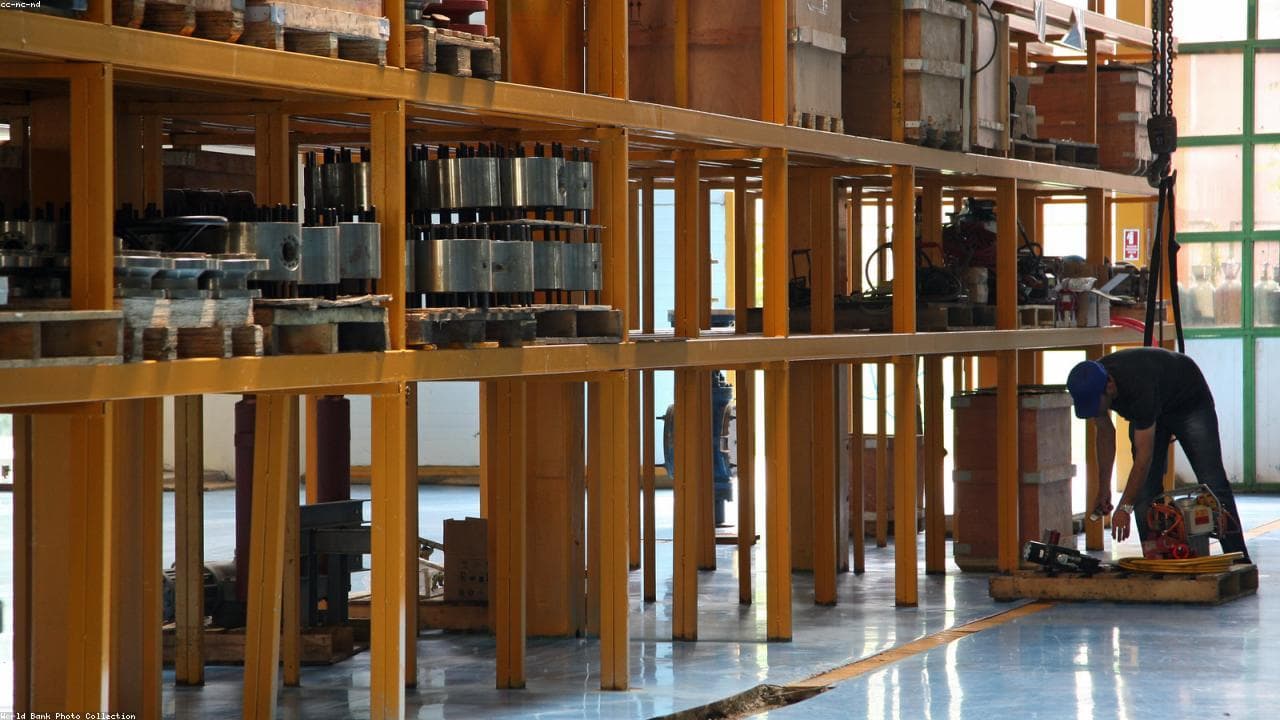
Cable Jointing & Underground Cables drills for construction in Pune.
Book a walkthrough or start a focused pilot on your site.