

Blasting & Explosives Handling VR training for construction in Vadodara.
Vadodara, Gujarat — petrochemicals and engineering hub (the Vadodara–Ankleshwar chemical corridor). Drill charge handling, exclusion-zone control and misfire procedure for drill-and-blast operations on a virtual bench.
Blasting & Explosives Handling VR training for construction in Vadodara
DrillXR Blasting and Explosives Handling puts a trainee on a virtual bench for drill-and-blast work, where a mishandled charge or a botched exclusion zone turns a routine blast into a fatality. The simulation reproduces the hazards that drive blasting incidents: premature detonation during handling or loading, flyrock thrown beyond the cleared zone, the misfire that leaves live explosives in the ground and makes re-entry lethal, and the improper storage and handling that endangers everyone nearby. Inside the headset the trainee verifies the blast permit and charge plan, handles and loads charges safely, clears and confirms the exclusion zone, initiates the blast and accounts for every shot, and then manages any misfire and authorises re-entry only when it is safe. The discipline being built is permit-first, count-every-shot, and never assume the ground is clear after a blast.
Blasting is one of the most tightly regulated activities in Indian industry, because the consequences of a mistake are immediate and fatal. The Explosives Act 1884, with PESO licensing and the rules made under it, governs the manufacture, possession, storage and handling of explosives, the Mines Act 1952 and DGMS regulations control shotfiring and blasting in mines, and every operation runs a shotfiring standard operating procedure. The classic incident is not ignorance of the rules but a shortcut under production pressure: a charge count that was never reconciled, a misfire re-entered too soon, or an exclusion zone that was waved through. A classroom cannot let a shotfirer experience a flyrock incident or a misfire re-entry; DrillXR lets the trainee make and correct those mistakes on a virtual bench where the only cost is a lower score.
Blasting & Explosives Handling training for Vadodara’s industrial base
Vadodara sits at the head of one of India's most important industrial arteries — the Vadodara–Ankleshwar chemical corridor that runs down Gujarat's golden belt. The city itself is a long-established petrochemicals and heavy-engineering centre, home to large public-sector and private chemical, fertiliser and engineering complexes, while the corridor stretching south through Nandesari, Dahej and Ankleshwar concentrates one of the densest collections of chemical and petrochemical processing in the country. This is continuous-process industry at scale: reactors, pressure vessels, bulk storage, pipelines and the hazardous chemistry that runs through them, much of it classified under Major Accident Hazard rules.
On the Vadodara–Ankleshwar corridor the highest-consequence events — a confined-space fatality during a vessel entry, a toxic or H2S release, a hot-work fire, a slow emergency response — are exactly the ones that are too dangerous to practise on the real asset. That is the core case for VR. DrillXR lets a worker rehearse atmospheric testing and permit-to-work before entering a vessel, practise containment and decontamination for a specific release, and run a timed, role-based emergency drill where team coordination is scored. For MAH units whose on-site emergency plans must be demonstrably and repeatedly tested, immersive drills produce a defensible competence record that a classroom and a signed register cannot. On a corridor this hazardous and this scrutinised, reproducible proof of competence is not optional.
Inside a blasting & explosives handling drill
The session opens at a virtual drill-and-blast bench with a round to fire. The trainee first verifies the blast permit and checks the charge plan against the drilled holes, rather than loading on assumption. They handle and load the charges safely, observing the handling discipline that prevents premature detonation; rough or improper handling registers against the score. They clear and confirm the exclusion zone, accounting for all personnel and equipment and confirming the flyrock radius is empty before anything is initiated; a person left inside the zone is penalised. They initiate the blast from a safe position and then account for every shot, reconciling the count against the plan. The decisive moment comes when a shot fails: the trainee must recognise the misfire, observe the mandatory waiting period, and authorise re-entry only after the misfire is made safe. A re-entry before the ground is confirmed clear registers as the fatal error it would be.
Construction risk in focus
Construction fatalities are overwhelmingly concentrated in a handful of mechanisms. Falls from height — off scaffolds, edges, ladders and fragile roofs — are the single largest killer, usually traced to missing or misused fall-arrest equipment and wrong anchor selection. Lifting operations cause struck-by and crushing injuries when loads, exclusion zones and signalling are mismanaged. Excavation collapse buries workers in unsupported or wrongly battered trenches. Site-traffic incidents arise where plant, delivery vehicles and people share congested ground. These are split-second, physical failures that no written test can certify a worker against.
Go deeper on the Blasting & Explosives Handling module, VR training for construction, or all training in Vadodara.
The hazards drilled
- premature detonation
- flyrock beyond the exclusion zone
- misfire & re-entry hazard
- improper storage & handling of explosives
Construction risks in Vadodara
- falls from height
- lifting operations
- excavation collapse
- site-traffic
The scored procedure
- 01Verify the blast permit and charge plan
- 02Handle and load charges safely
- 03Clear and confirm the exclusion zone
- 04Initiate the blast and account for all shots
- 05Manage misfires and authorise re-entry
Compliance mapping
Related drills for construction
Explore the Blasting & Explosives Handling module, VR training for construction, or all training in Vadodara.
Blasting & Explosives Handling VR training in Vadodara — FAQs
Why run blasting & explosives handling VR training for construction in Vadodara?
Vadodara is petrochemicals and engineering hub (the Vadodara–Ankleshwar chemical corridor). Construction teams there face falls from height, lifting operations, excavation collapse. DrillXR lets crews rehearse blasting & explosives handling safely and repeatably, with scored, audit-ready evidence.
What does the Blasting & Explosives Handling simulation cover?
Drill charge handling, exclusion-zone control and misfire procedure for drill-and-blast operations on a virtual bench. It reproduces premature detonation, flyrock beyond the exclusion zone, misfire & re-entry hazard.
Which regulations apply?
Explosives Act 1884 / PESO licensing & rules; Mines Act 1952 / DGMS (shotfiring & blasting); site shotfiring standard operating procedure; BOCW Act 1996; Factories Act (off-site works); BIS IS 3764.
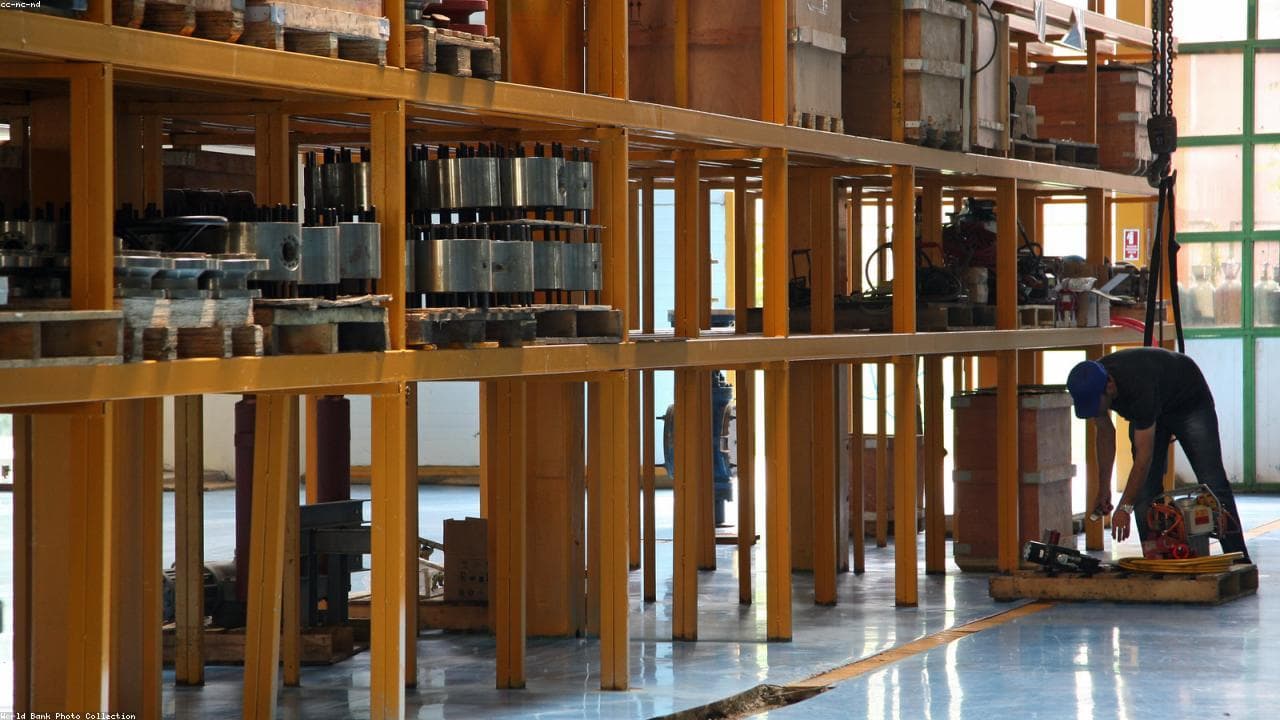
Blasting & Explosives Handling drills for construction in Vadodara.
Book a walkthrough or start a focused pilot on your site.