
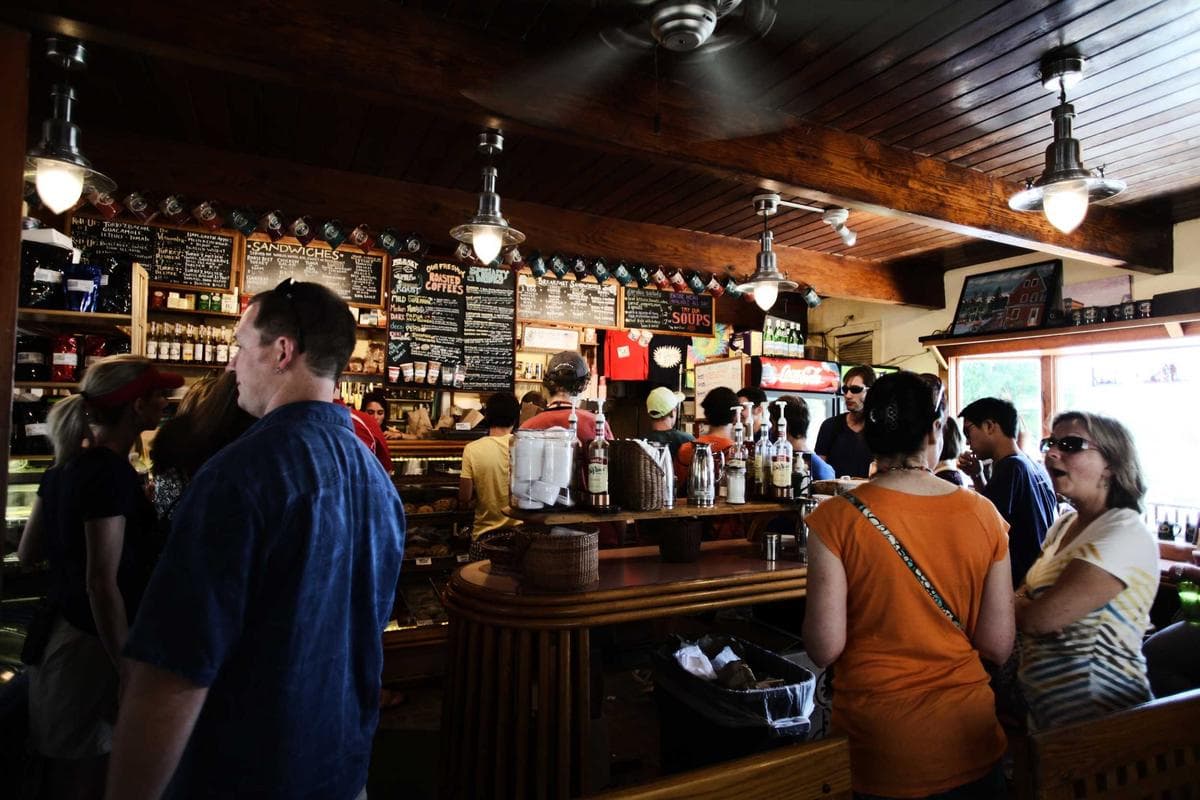
Slips, Trips & Falls VR training.
Train housekeeping discipline, spill response and hazard spotting on the same-level falls that cause the most everyday injuries.
Slips, Trips & Falls VR training
DrillXR Slips, Trips and Falls trains the unglamorous hazard that quietly produces more lost-time injuries than any dramatic one. The simulation reproduces what actually puts people on the floor: wet and contaminated surfaces, trailing cables and obstructions that catch a foot, the clutter and poor housekeeping that narrows a walkway, and the uneven surfaces and unmarked level changes that trip a worker mid-stride. Inside the headset the trainee scans a working area for these hazards, reports and isolates a spill or obstruction rather than stepping past it, places the correct signage and barriers, chooses the safe route and the right footwear for the surface, and logs the hazard before verifying it has been cleared. The point is to retrain the habit of seeing and acting on a small hazard before it becomes a fall.
These injuries are routinely dismissed as minor, yet they account for a large share of workplace harm and the legal duty behind them is concrete. The Factories Act 1948 requires that floors, stairs and passages be kept clean, sound and free from obstruction and slipping hazards, the Building and Other Construction Workers Act 1996 carries comparable housekeeping duties across construction sites, and each site backs these with its own housekeeping standard operating procedure. The failure is almost never ignorance; it is a worker walking past a spill because clearing it is someone else's job, or stepping over a cable for the hundredth time. DrillXR rebuilds the spot-it-and-act-on-it instinct repeatedly and assessably, so the small correction becomes automatic.
Why train slips, trips & falls in VR
Slips and trips are a problem of attention and habit, not knowledge, and that is precisely what a poster cannot fix. Everyone knows a wet floor is dangerous; the failure is walking past it anyway. Immersive VR retrains the eye and the response: the trainee scans a cluttered, realistic walkway, spots the contaminated patch or the trailing cable, and physically reports, signs and barriers it, building the habit of acting rather than ignoring. Step onto an unmarked wet surface in the headset and the slip happens, harmlessly, making the consequence of inattention immediate instead of abstract. A classroom briefing on housekeeping is forgotten by the next shift; a rehearsed scan-report-clear loop sticks because the learner performed it. That is why immersive practice changes behaviour on the hazard that briefings consistently fail to.
Inside a slips, trips & falls session
A session places the trainee in a working area, an aisle, a process bay or a stairwell, seeded with realistic hazards. They begin by scanning the walkway, and a missed spill or unspotted cable costs against the score. Finding a contaminated patch, the trainee reports and isolates it rather than walking through, then places the correct signage and a barrier to warn others. They choose the safe route around the hazard and confirm appropriate footwear for the surface rather than pressing on regardless. Encountering an unmarked level change, they must recognise and flag it. The run closes as the trainee logs the hazard so it enters the system and then verifies the area has been cleared before it is reopened. Walking past a hazard, skipping signage or choosing an unsafe route all register against the result.
Scoring & certification
DrillXR scores every attempt against the procedure: walkway scanned, spill or obstruction reported and isolated, signage and barriers applied, safe route and footwear chosen, and the hazard logged and clearance verified. Each step earns a pass, a partial or a fail, with timing captured so an instructor sees where a trainee walked past a hazard or skipped the signage. A weighted per-step result rolls up into an overall competency outcome, and a passing run issues a dated certificate tied to the worker's record. Results stream over xAPI and SCORM into the customer LMS and the DrillXR compliance dashboard, where a safety officer can filter by area, shift or crew, evidence housekeeping competence to a Factory Inspectorate, and target the individuals who consistently fail to act on a hazard.
Deployment on your site
Slips, Trips and Falls runs standalone on Meta Quest, Pico and PC-VR, deploying in kiosk mode so a headset boots straight into the module with no menus for a shop-floor worker to navigate. Administrators configure the scenario to the real site: the layout of aisles, bays and stairwells, the typical contaminants and obstructions seen in that operation, the signage and barrier kit available, and the housekeeping standard operating procedure can all be matched to the customer's premises. Multiple headsets run as a managed fleet from one console, and completion data flows to the central compliance dashboard. The result is consistent, repeatable housekeeping training delivered at the plant gate, on the night shift, or across several warehouses and lines, without staging a real spill.
Explore all VR safety training, see how it adapts to your industry, or read whether VR is effective for safety training.
Hazards it reproduces
- wet & contaminated floors
- trailing cables & trip obstructions
- poor housekeeping & cluttered walkways
- uneven surfaces & unmarked level changes
The scored procedure
- 01Scan the walkway for hazards
- 02Report and isolate a spill or obstruction
- 03Apply correct signage and barriers
- 04Choose the safe route and footwear
- 05Log the hazard and verify clearance
Compliance mapping
Slips, Trips & Falls FAQs
What does the Slips, Trips & Falls VR module cover?
Train housekeeping discipline, spill response and hazard spotting on the same-level falls that cause the most everyday injuries.
Which hazards does it simulate?
wet & contaminated floors; trailing cables & trip obstructions; poor housekeeping & cluttered walkways; uneven surfaces & unmarked level changes.
Is the slips, trips & falls training assessed?
Yes. Every step is scored and timed, with pass thresholds that trigger certificates and feed the compliance dashboard.
Which standards does it map to?
Factories Act 1948 (clean & safe floors and passages); Building and Other Construction Workers Act 1996; site housekeeping standard operating procedure.
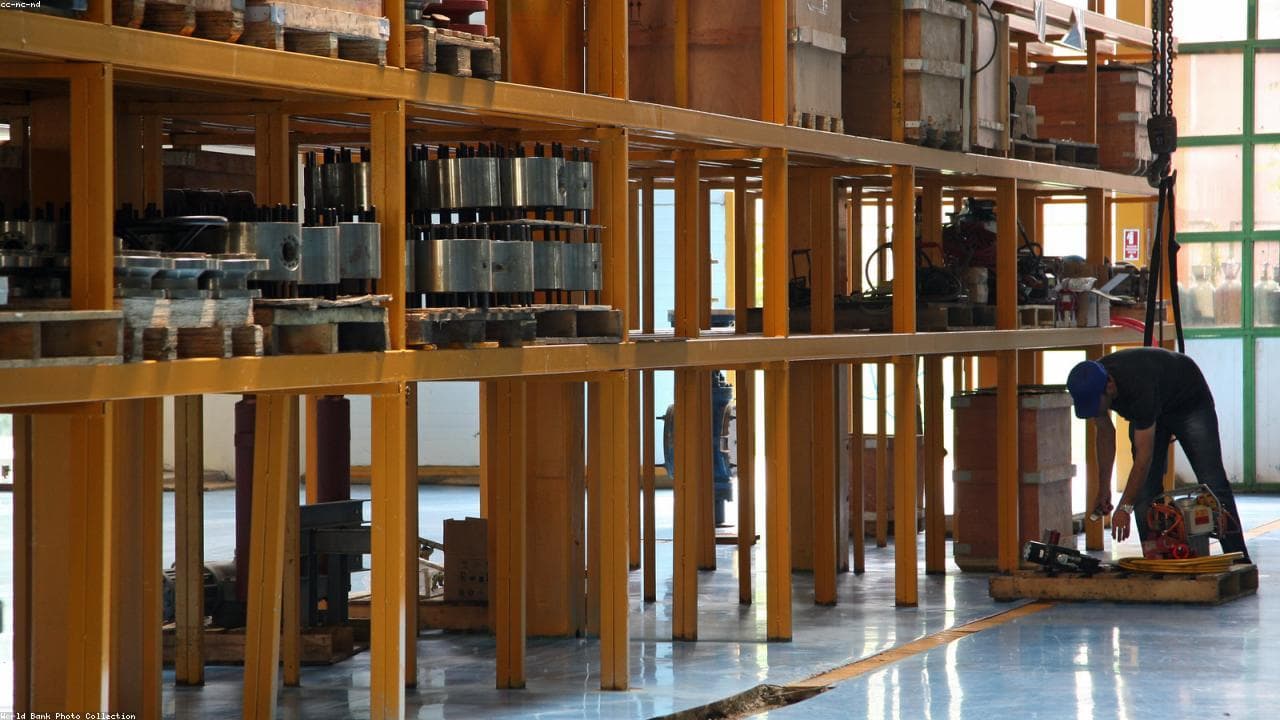
See Slips, Trips & Falls scored live.
Book a walkthrough tuned to your equipment and site.