

Tanker Top & Loading Rack Safety VR training for oil & gas in Pune.
Pune, Maharashtra — auto, engineering and manufacturing belt (Chakan–Talegaon and Ranjangaon industrial clusters). Train fall protection on the tanker top, static-bonding discipline and overfill control at a road or rail loading rack.
Tanker Top & Loading Rack Safety VR training for oil & gas in Pune
DrillXR Tanker Top and Loading Rack Safety puts a trainee on the gantry and the tanker top of a road or rail loading rack, where a fall, a spark or an overfill turns a routine load into a fire or a fatality. The simulation reproduces the hazards that make the loading rack dangerous: falls from the tanker top and the gantry where workers stand at height over hard ground, the static discharge that ignites flammable vapour during loading, the overfill and product spillage that floods the rack and the drains, and the vapour exposure and confined-space risk at the open dome. Inside the headset the trainee parks, chocks and earths the tanker and confirms the bonding, dons fall protection on the gantry and tanker top, verifies the product, compartment and loading limits, loads with overfill and vapour controls active, and disconnects, dismounts and clears the rack safely. The discipline being built is bond-before-you-load, tie-off-at-height, and never trust an unconfirmed limit.
Loading-rack incidents combine fire risk, falls and toxic exposure in one operation, and India's petroleum framework regulates them closely. PESO governs the storage, loading and handling of petroleum and the licensing of the installations where it happens, the MSIHC Rules 1989 set the duties around handling hazardous chemicals and managing releases, and OISD loading-gantry and tank-truck guidelines define the practice expected at the rack. The dangerous failure is rarely ignorance; it is a driver who climbs the tanker top without tying off, a loader who connects without confirming the earthing and bonding, or an operator who relies on a limit that was never verified and overfills the compartment. DrillXR lets a trainee make and survive those mistakes in the headset, watching a static-ignition or an overfill spill follow a shortcut, so the bond-first, tie-off and verify-the-limit discipline is built before they ever work a live rack.
Tanker Top & Loading Rack Safety training for Pune’s industrial base
Pune is one of western India's most concentrated manufacturing economies, anchored by the Chakan–Talegaon belt and the Ranjangaon industrial cluster on the Pune–Ahmednagar axis. The corridor packs automotive OEMs, two-wheeler giants, tier-one component suppliers, precision engineering shops and a deep bench of forging, casting and machining units into a relatively tight geography. Shift-based production runs around the clock, and a large share of the workforce is contract and migrant labour that rotates frequently between plants. That combination — high-throughput lines, heavy material handling and a constantly refreshing operator pool — makes consistent, repeatable safety competence one of the hardest operational problems a Pune plant manager has to solve.
Pune's manufacturing density means a single unsafe forklift turn, a defeated machine guard or a slow line-side evacuation can stop production across a tier-one supplier and ripple straight up to the OEM. Traditional induction — a slide deck, a signed register, a walk of the shop — does not reliably transfer competence to a workforce that turns over quickly and often does not share a first language with the trainer. VR changes the economics of that problem. A new operator can rehearse a tip-over, a pedestrian near-miss or a press lockout in the headset until the correct response is automatic, and the plant gets a numerical score for every attempt rather than a signature on a sheet. For Chakan and Ranjangaon suppliers under continuous OEM audit, that assessable, repeatable record is the difference between claiming training happened and proving it did.
Inside a tanker top & loading rack safety drill
The session opens at a virtual loading rack as a tanker arrives to be filled. The trainee first parks, chocks and earths the tanker and confirms the bonding is connected and sound before anything else; loading flammable product without a confirmed bond triggers a static-ignition consequence in the simulation. They don fall protection before climbing the gantry and the tanker top, maintaining tie-off at height rather than relying on balance over the hard standing below. They verify the product, the compartment and the loading limits against the paperwork, confirming the tanker is right for the product and the limit is real rather than assumed. They load with the overfill protection and vapour controls active, watching the level so the compartment is not overfilled and the bund and drains are protected. An overfill, a missed bond, an unclipped move on the top, or an ignored vapour build-up registers against the score. The run closes as they disconnect, dismount and clear the rack safely.
Oil & Gas risk in focus
Oil and gas failure modes are process-driven and unforgiving. Process-safety events — loss of containment, runaway pressure or temperature, ignition of a release — are the headline catastrophic risk. H2S exposure can incapacitate or kill within seconds and demands instant, correct PPE and rescue behaviour. Hot-work ignition occurs when a permit fails to account for residual hydrocarbons or inadequate gas testing near welding and cutting. Confined-space entry into tanks, vessels and sumps combines toxic-atmosphere, engulfment and entrapment hazards with the recurring tragedy of untrained rescuers becoming the next casualties. Every one of these turns on procedure discipline under stress.
Go deeper on the Tanker Top & Loading Rack Safety module, VR training for oil & gas, or all training in Pune.
The hazards drilled
- falls from the tanker top & gantry
- static discharge igniting flammable vapour
- overfill & product spillage
- vapour exposure and confined-space risk at the dome
Oil & Gas risks in Pune
- process-safety events
- H2S exposure
- hot-work ignition
- confined-space entry
The scored procedure
- 01Park, chock and earth the tanker and confirm bonding
- 02Don fall protection on the gantry and tanker top
- 03Verify product, compartment and loading limits
- 04Load with overfill and vapour controls active
- 05Disconnect, dismount and clear the rack safely
Compliance mapping
Related drills for oil & gas
Explore the Tanker Top & Loading Rack Safety module, VR training for oil & gas, or all training in Pune.
Tanker Top & Loading Rack Safety VR training in Pune — FAQs
Why run tanker top & loading rack safety VR training for oil & gas in Pune?
Pune is auto, engineering and manufacturing belt (Chakan–Talegaon and Ranjangaon industrial clusters). Oil & Gas teams there face process-safety events, H2S exposure, hot-work ignition. DrillXR lets crews rehearse tanker top & loading rack safety safely and repeatably, with scored, audit-ready evidence.
What does the Tanker Top & Loading Rack Safety simulation cover?
Train fall protection on the tanker top, static-bonding discipline and overfill control at a road or rail loading rack. It reproduces falls from the tanker top & gantry, static discharge igniting flammable vapour, overfill & product spillage.
Which regulations apply?
PESO (petroleum storage, loading & licensing); MSIHC Rules 1989 (hazardous-chemical handling); OISD loading-gantry / tank-truck guidelines; OISD standards; PESO (explosives/pressure); Factories Act 1948.
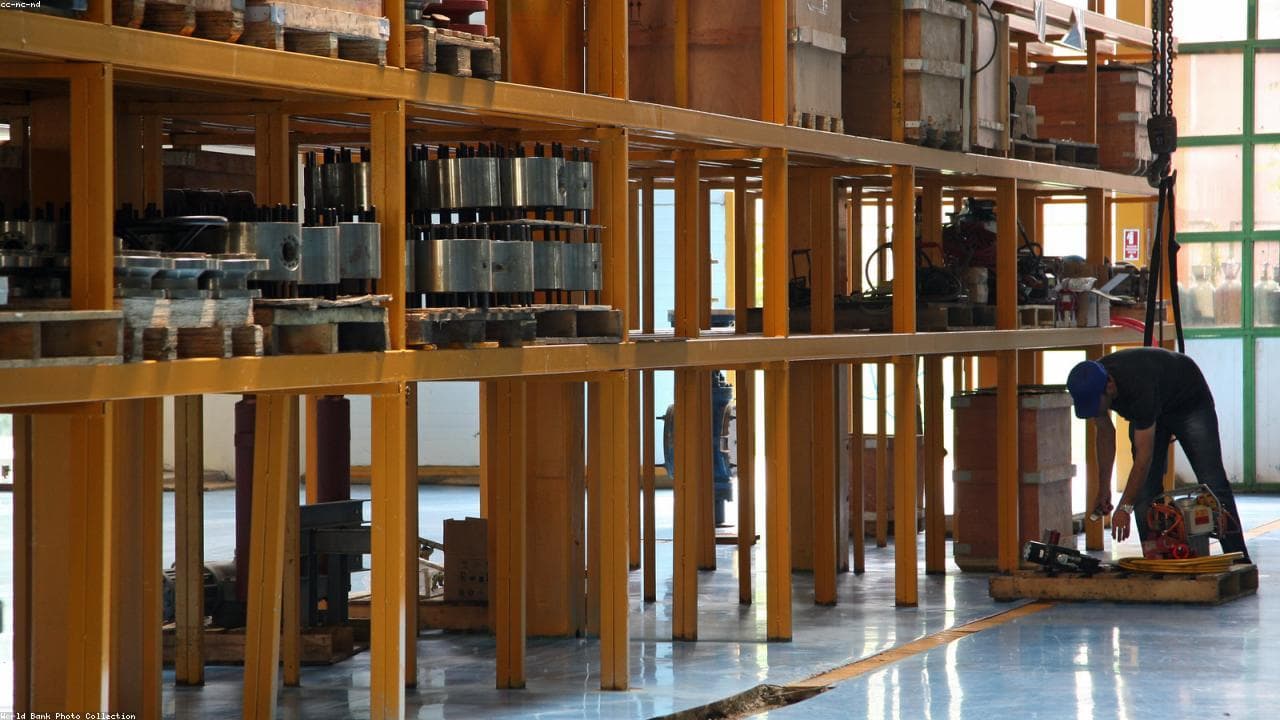
Tanker Top & Loading Rack Safety drills for oil & gas in Pune.
Book a walkthrough or start a focused pilot on your site.