

Switchyard & Substation Safety VR training for power & utilities in Chennai.
Chennai, Tamil Nadu — automotive and heavy-engineering hub (Sriperumbudur–Oragadam auto cluster). Train safe access, work-permit discipline and clearance distances inside a virtual switchyard where live and isolated bays sit side by side.
Switchyard & Substation Safety VR training for power & utilities in Chennai
DrillXR Switchyard and Substation Safety trains staff to work inside a virtual switchyard where live and isolated bays stand a few metres apart and the wrong step is the last one. The simulation reproduces the hazards that make switchyards lethal: approaching inside the minimum safety clearance of a live conductor, dangerous step and touch potential during an earth fault, entering a live bay instead of the isolated one, and the arc flash and flashover that follows a mistake at the equipment. Inside the headset the worker obtains the work permit and confirms which bay is isolated, identifies live and dead equipment and the clearance limits, verifies isolation and confirms earths are applied, establishes barriers and a defined safe working zone, and completes the work before handing the permit back for restoration. The discipline of know-which-bay-is-dead-and-stay-clear-of-the-rest is what the headset builds.
Substation work demands certainty about what is live, and India's framework sets that expectation. The Electricity Act 2003 and the Central Electricity Authority safety regulations govern safe working on electrical installations and minimum clearances, the Factories Act 1948 carries the underlying duty of care, and every serious operator runs a substation permit-to-work and access-control procedure. The recurring incident is not a lack of training but a worker who enters the adjacent live bay, or strays inside the clearance of an energised conductor, because the yard is dense and the labelling was not checked. A briefing cannot reproduce the spatial pressure of a live yard. DrillXR puts the trainee into that yard, where confirming the bay, the clearances and the earths becomes a rehearsed habit rather than an abstract rule.
Switchyard & Substation Safety training for Chennai’s industrial base
Chennai is India's automotive capital, and the Sriperumbudur–Oragadam corridor on the city's western fringe is the beating heart of it. The cluster hosts global car and commercial-vehicle OEMs, two-wheeler plants, a dense tier-one and tier-two supplier ecosystem, and the stamping, welding, painting and assembly operations that feed them. Heavy-engineering and electronics manufacturing round out the base. With several large assembly plants and hundreds of feeder units operating on tightly synchronised just-in-time schedules, the corridor runs continuous high-tempo production where a safety stoppage at one supplier can cascade through the whole line.
The economics of Chennai's auto corridor make undertrained operators expensive and dangerous in equal measure: a machine-interaction injury or a press incident stops a line that an OEM is counting on for just-in-time delivery. Classroom safety briefings cannot reliably build the muscle memory a press operator or a robotic-cell technician needs, and they leave no objective evidence of competence. VR does both. In the headset, an operator can confirm safe-stop and lock-and-verify before reaching into a cell, rehearse a weld-line hazard, and practise a line-side evacuation until the response is reflexive — and every attempt produces a score. For Sriperumbudur and Oragadam suppliers under constant OEM audit, that scored, repeatable record is what turns a training claim into demonstrable proof, across permanent and contract workers alike.
Inside a switchyard & substation safety drill
The session places the trainee at the gate of a virtual switchyard with a work permit for one isolated bay. They first read the permit and confirm which bay is isolated, rather than assuming. Inside, they identify live and dead equipment and recognise the minimum clearance limits around the energised bays; stray inside a live clearance and the simulation registers the flashover risk. They verify the isolation at the assigned bay, prove dead where required and confirm circuit-main earths are applied. They establish physical barriers and a clearly defined safe working zone, separating themselves from the adjacent live equipment. They then carry out the work inside that zone. Entering the wrong bay, crossing a clearance boundary, or working without confirming earths are each captured against the score. The run closes with the work complete and the permit handed back for restoration.
Power & Utilities risk in focus
Power-sector incidents centre on energy that cannot be seen. Electrical-isolation failures — working on equipment that was not fully de-energised, locked and verified — cause electrocution and are the sector's signature fatality. Work at height on transmission towers, boiler structures and distribution poles produces falls when fall-arrest discipline lapses. Confined-space entry into boilers, ducts and ash-handling plant carries oxygen-deficiency and toxic-atmosphere risk. Arc flash during switching or fault conditions delivers severe burns in milliseconds. Each is a procedure-under-discipline failure where the correct sequence, performed every time, is the only reliable safeguard.
Go deeper on the Switchyard & Substation Safety module, VR training for power & utilities, or all training in Chennai.
The hazards drilled
- approach inside the minimum safety clearance of a live conductor
- step and touch potential during an earth fault
- entering a live bay instead of the isolated one
- arc flash and flashover at the equipment
Power & Utilities risks in Chennai
- electrical isolation
- work at height
- confined space (boilers)
- arc flash
The scored procedure
- 01Obtain the work permit and confirm the isolated bay
- 02Identify live and dead equipment and clearance limits
- 03Verify isolation, prove dead and confirm earths applied
- 04Establish barriers and the safe working zone
- 05Complete the work and hand back the permit for restoration
Compliance mapping
Related drills for power & utilities
Explore the Switchyard & Substation Safety module, VR training for power & utilities, or all training in Chennai.
Switchyard & Substation Safety VR training in Chennai — FAQs
Why run switchyard & substation safety VR training for power & utilities in Chennai?
Chennai is automotive and heavy-engineering hub (Sriperumbudur–Oragadam auto cluster). Power & Utilities teams there face electrical isolation, work at height, confined space (boilers). DrillXR lets crews rehearse switchyard & substation safety safely and repeatably, with scored, audit-ready evidence.
What does the Switchyard & Substation Safety simulation cover?
Train safe access, work-permit discipline and clearance distances inside a virtual switchyard where live and isolated bays sit side by side. It reproduces approach inside the minimum safety clearance of a live conductor, step and touch potential during an earth fault, entering a live bay instead of the isolated one.
Which regulations apply?
Electricity Act 2003 with Central Electricity Authority (Measures relating to Safety and Electric Supply) Regulations 2010; Factories Act 1948 (duty of care for work on electrical installations); site substation permit-to-work and access-control procedure; CEA Safety Regulations; Electricity Act 2003; Factories Act 1948.
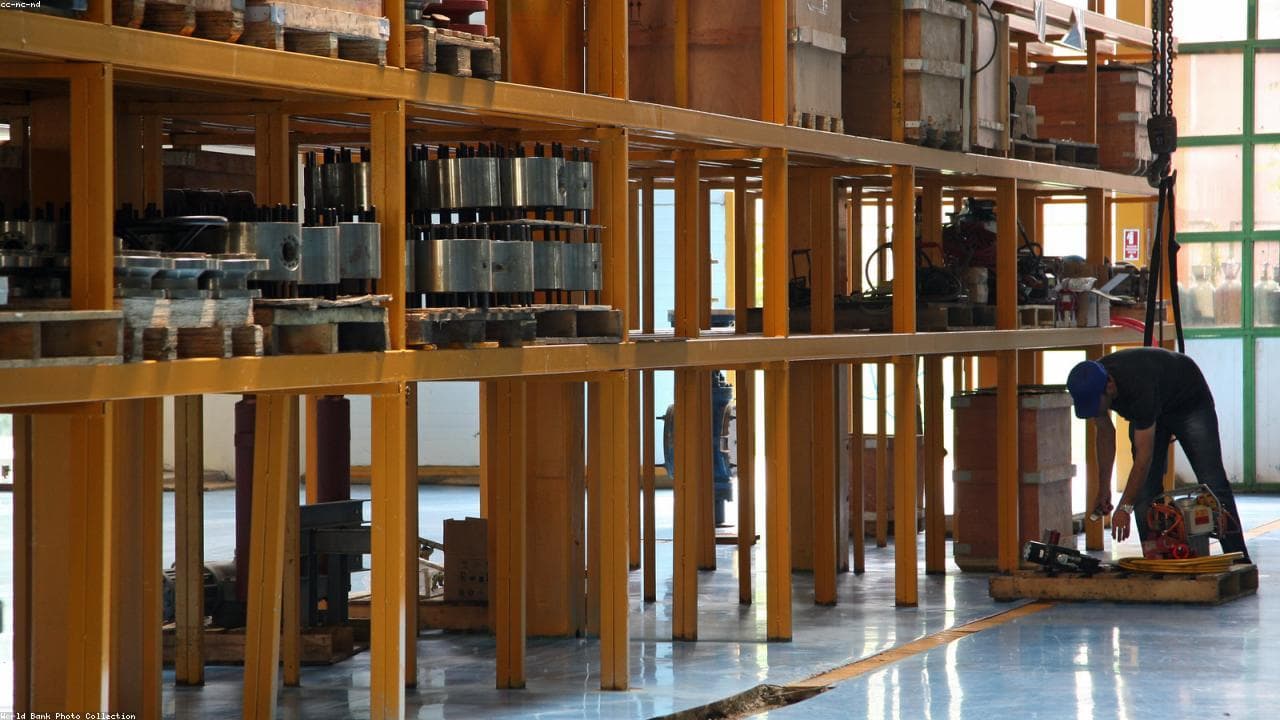
Switchyard & Substation Safety drills for power & utilities in Chennai.
Book a walkthrough or start a focused pilot on your site.