

Silica & Respirable Dust VR training for cement in Vadodara.
Vadodara, Gujarat — petrochemicals and engineering hub (the Vadodara–Ankleshwar chemical corridor). Drill dust-control measures, respirator use and the discipline that keeps respirable crystalline silica out of workers' lungs on dusty sites.
Silica & Respirable Dust VR training for cement in Vadodara
DrillXR Silica and Respirable Dust trains workers against a hazard that is invisible at the point of harm and devastating over time: the fine respirable crystalline silica released by cutting, grinding and drilling stone, concrete and ore. The simulation reproduces the failures that lead to silicosis: inhalation of respirable crystalline silica, dry cutting and the uncontrolled dust clouds it throws, the wrong or an unfitted respirator, and the cumulative exposure that scars the lungs irreversibly. Inside the headset the worker identifies silica-generating tasks and zones, applies dust controls at source, selects and fits the correct respirator, works within the control plan, and decontaminates and disposes of dust safely. Because the dangerous dust is too fine to see, the headset is built to make the hazard visible and the control-at-source discipline instinctive.
Silica exposure is a leading cause of occupational lung disease, and it is almost entirely preventable with the right controls. The Factories Act 1948 carries duties around the control of dust and fume and around occupational health, the Mines Act 1952 and DGMS guidance address airborne dust in mining, and a site dust-monitoring and occupational health and safety plan defines exposure limits, controls and surveillance. The common failure is dry cutting because it is faster, skipping water suppression or local extraction, and relying on a dust mask that was never fit-tested. A classroom cannot show why an invisible dust cloud matters. DrillXR lets a workforce see the respirable fraction, rehearse suppression and extraction, and fit the right respirator, so the controls become habit before the lungs pay.
Silica & Respirable Dust training for Vadodara’s industrial base
Vadodara sits at the head of one of India's most important industrial arteries — the Vadodara–Ankleshwar chemical corridor that runs down Gujarat's golden belt. The city itself is a long-established petrochemicals and heavy-engineering centre, home to large public-sector and private chemical, fertiliser and engineering complexes, while the corridor stretching south through Nandesari, Dahej and Ankleshwar concentrates one of the densest collections of chemical and petrochemical processing in the country. This is continuous-process industry at scale: reactors, pressure vessels, bulk storage, pipelines and the hazardous chemistry that runs through them, much of it classified under Major Accident Hazard rules.
On the Vadodara–Ankleshwar corridor the highest-consequence events — a confined-space fatality during a vessel entry, a toxic or H2S release, a hot-work fire, a slow emergency response — are exactly the ones that are too dangerous to practise on the real asset. That is the core case for VR. DrillXR lets a worker rehearse atmospheric testing and permit-to-work before entering a vessel, practise containment and decontamination for a specific release, and run a timed, role-based emergency drill where team coordination is scored. For MAH units whose on-site emergency plans must be demonstrably and repeatedly tested, immersive drills produce a defensible competence record that a classroom and a signed register cannot. On a corridor this hazardous and this scrutinised, reproducible proof of competence is not optional.
Inside a silica & respirable dust drill
The session opens with a cutting or grinding task on a silica-bearing material. The trainee first identifies the task as silica-generating and recognises the zone where exposure is likely, rather than treating it as ordinary dust. They apply dust controls at source, choosing water suppression or local exhaust extraction over a dry cut; proceed to dry-cut and the simulation fills the air with the respirable fraction and registers exposure. They select and fit the correct respirator for the residual dust, sealing it properly rather than relying on a loose nuisance mask. They then work within the control plan, keeping suppression running and staying out of the plume. The run closes with decontamination, cleaning down without dry sweeping that re-suspends dust, and safe disposal of the collected material.
Cement risk in focus
Cement's failure modes blend heat, enclosure and movement. Hot surfaces and kiln-area work expose crews to burns and heat stress, and a misjudged approach during a hot-process upset can be catastrophic. Confined-space entry into silos, preheater cyclones and ducts carries oxygen-deficiency, engulfment-by-material and entrapment hazards, with stored clinker and raw meal capable of burying a worker. Work at height on preheater towers and structures produces falls. Pervasive dust and large rotating and conveying machinery add respiratory, entanglement and unexpected-start risks. These are multi-hazard tasks where a single procedural lapse compounds quickly.
Go deeper on the Silica & Respirable Dust module, VR training for cement, or all training in Vadodara.
The hazards drilled
- respirable crystalline silica inhalation
- dry cutting and uncontrolled dust clouds
- wrong or unfitted respirator
- cumulative exposure leading to silicosis
Cement risks in Vadodara
- hot surfaces & kilns
- confined space
- work at height
- dust & machinery
The scored procedure
- 01Identify silica-generating tasks and zones
- 02Apply dust controls at source
- 03Select and fit the correct respirator
- 04Work within the control plan
- 05Decontaminate and dispose of dust safely
Compliance mapping
Related drills for cement
Explore the Silica & Respirable Dust module, VR training for cement, or all training in Vadodara.
Silica & Respirable Dust VR training in Vadodara — FAQs
Why run silica & respirable dust VR training for cement in Vadodara?
Vadodara is petrochemicals and engineering hub (the Vadodara–Ankleshwar chemical corridor). Cement teams there face hot surfaces & kilns, confined space, work at height. DrillXR lets crews rehearse silica & respirable dust safely and repeatably, with scored, audit-ready evidence.
What does the Silica & Respirable Dust simulation cover?
Drill dust-control measures, respirator use and the discipline that keeps respirable crystalline silica out of workers' lungs on dusty sites. It reproduces respirable crystalline silica inhalation, dry cutting and uncontrolled dust clouds, wrong or unfitted respirator.
Which regulations apply?
Factories Act 1948 (dust/fume control and occupational health); Mines Act 1952 / DGMS guidance on airborne dust; site dust-monitoring and OH&S plan; Factories Act 1948; BIS standards; Mines Act (captive mines).
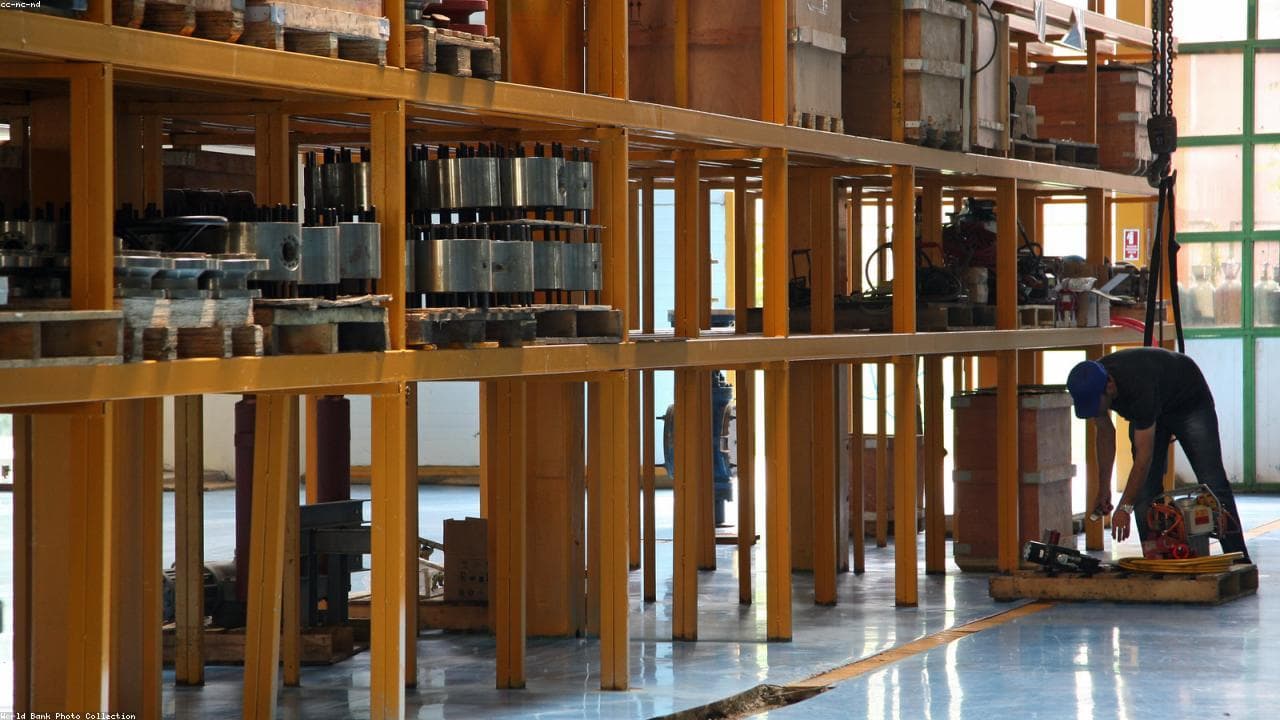
Silica & Respirable Dust drills for cement in Vadodara.
Book a walkthrough or start a focused pilot on your site.