

Rope Access VR training for power & utilities in Pune.
Pune, Maharashtra — auto, engineering and manufacturing belt (Chakan–Talegaon and Ranjangaon industrial clusters). Drill twin-rope rigging, controlled descent and the discipline of a backup device on virtual structures, where a mis-rigged rope teaches a lesson instead of dropping a technician.
Rope Access VR training for power & utilities in Pune
DrillXR Rope Access drills the discipline that keeps a technician alive on a rope: two independent systems, always, and a backup that engages when the working line fails. The simulation reproduces the hazards that cause rope-access fatalities: a fall from a single point of failure or a mis-rigged rope, an anchor chosen or rigged incorrectly, rope damage from a sharp edge or abrasion that severs a line under load, and suspension trauma when a technician hangs too long after a stalled descent. Inside the headset the trainee inspects their harness, ropes and devices and selects rated anchors, rigs an independent working line and backup line, transfers onto the system and confirms the backup engages, descends or ascends under control while protecting edges, and re-anchors at rebelays before a controlled exit. Because rope access lives and dies on redundancy, the headset trains the never-on-one-rope habit until it is reflex.
Rope access is a high-consequence trade, and the legal and good-practice framework in India treats it accordingly. The Factories Act 1948 carries duties for safe work at height on factory premises, OISD guidelines shape height work on petroleum installations where rope access is used on stacks, vessels and structures, and a site work-at-height permit or SOP governs every deployment. The defining failure is a lapse in redundancy, rigging onto one rope to save time, dressing an anchor poorly, or letting a working line run over an unprotected edge, and these are habits, not knowledge gaps. DrillXR lets a technician rig, transfer and descend repeatedly, and lets a mis-rig or an unprotected edge bite in simulation, so the two-rope, backup-engaged discipline is proven before anyone is exposed over a real drop.
Rope Access training for Pune’s industrial base
Pune is one of western India's most concentrated manufacturing economies, anchored by the Chakan–Talegaon belt and the Ranjangaon industrial cluster on the Pune–Ahmednagar axis. The corridor packs automotive OEMs, two-wheeler giants, tier-one component suppliers, precision engineering shops and a deep bench of forging, casting and machining units into a relatively tight geography. Shift-based production runs around the clock, and a large share of the workforce is contract and migrant labour that rotates frequently between plants. That combination — high-throughput lines, heavy material handling and a constantly refreshing operator pool — makes consistent, repeatable safety competence one of the hardest operational problems a Pune plant manager has to solve.
Pune's manufacturing density means a single unsafe forklift turn, a defeated machine guard or a slow line-side evacuation can stop production across a tier-one supplier and ripple straight up to the OEM. Traditional induction — a slide deck, a signed register, a walk of the shop — does not reliably transfer competence to a workforce that turns over quickly and often does not share a first language with the trainer. VR changes the economics of that problem. A new operator can rehearse a tip-over, a pedestrian near-miss or a press lockout in the headset until the correct response is automatic, and the plant gets a numerical score for every attempt rather than a signature on a sheet. For Chakan and Ranjangaon suppliers under continuous OEM audit, that assessable, repeatable record is the difference between claiming training happened and proving it did.
Inside a rope access drill
A session places the trainee at the head of a structure with a descent to complete. They begin by inspecting the harness, ropes and devices, condemning a frayed rope or a worn descender that the score credits them for catching. They select and dress rated anchors, rejecting an unrated convenient point, then rig an independent working line and a separate backup line rather than relying on one. They transfer onto the system and must confirm the backup device engages before committing their weight; transfer onto a single line and a fall is triggered and scored. Descending under control, they protect the rope where it crosses an edge, an unprotected edge abrading the line in simulation. At a rebelay they re-anchor correctly to maintain protection through the transition. The run closes with a controlled exit and a post-use inspection of the equipment.
Power & Utilities risk in focus
Power-sector incidents centre on energy that cannot be seen. Electrical-isolation failures — working on equipment that was not fully de-energised, locked and verified — cause electrocution and are the sector's signature fatality. Work at height on transmission towers, boiler structures and distribution poles produces falls when fall-arrest discipline lapses. Confined-space entry into boilers, ducts and ash-handling plant carries oxygen-deficiency and toxic-atmosphere risk. Arc flash during switching or fault conditions delivers severe burns in milliseconds. Each is a procedure-under-discipline failure where the correct sequence, performed every time, is the only reliable safeguard.
Go deeper on the Rope Access module, VR training for power & utilities, or all training in Pune.
The hazards drilled
- fall from a single point of failure or mis-rigged rope
- incorrect anchor selection and rigging
- rope damage from sharp edges and abrasion
- suspension trauma during a stalled descent
Power & Utilities risks in Pune
- electrical isolation
- work at height
- confined space (boilers)
- arc flash
The scored procedure
- 01Inspect harness, ropes and devices and select rated anchors
- 02Rig the working line and an independent backup line
- 03Transfer onto the system and confirm the backup engages
- 04Descend or ascend under control, protecting edges
- 05Re-anchor at rebelays and complete a controlled exit
Compliance mapping
Related drills for power & utilities
Explore the Rope Access module, VR training for power & utilities, or all training in Pune.
Rope Access VR training in Pune — FAQs
Why run rope access VR training for power & utilities in Pune?
Pune is auto, engineering and manufacturing belt (Chakan–Talegaon and Ranjangaon industrial clusters). Power & Utilities teams there face electrical isolation, work at height, confined space (boilers). DrillXR lets crews rehearse rope access safely and repeatably, with scored, audit-ready evidence.
What does the Rope Access simulation cover?
Drill twin-rope rigging, controlled descent and the discipline of a backup device on virtual structures, where a mis-rigged rope teaches a lesson instead of dropping a technician. It reproduces fall from a single point of failure or mis-rigged rope, incorrect anchor selection and rigging, rope damage from sharp edges and abrasion.
Which regulations apply?
Factories Act 1948 (safe work at height); OISD guidelines (height work in petroleum installations); site SOP / work-at-height permit; CEA Safety Regulations; Electricity Act 2003; Factories Act 1948.
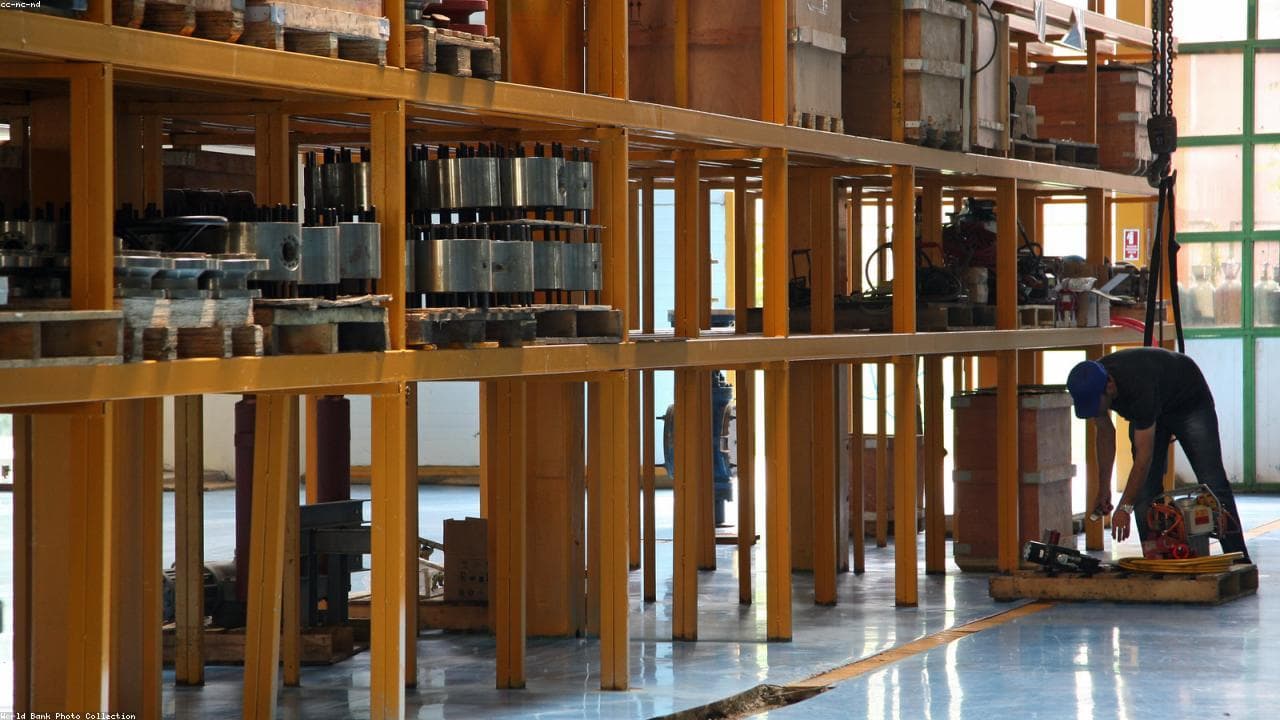
Rope Access drills for power & utilities in Pune.
Book a walkthrough or start a focused pilot on your site.