
Industrial Robot & Cobot Safety VR training for automotive in Ahmedabad.
Ahmedabad, Gujarat — chemicals, pharma and textiles hub (Vatva, Naroda and Sanand industrial estates). Rehearse safe interaction with industrial robots and collaborative robots, from guarded cells to shared workspaces, on virtual cells before anyone enters a live envelope.
Industrial Robot & Cobot Safety VR training for automotive in Ahmedabad
DrillXR Industrial Robot and Cobot Safety trains the discipline of working safely around machines that move faster and harder than a person can react, covering both fully guarded industrial robot cells and collaborative robots that share a workspace. The simulation reproduces the hazards that injure people around robots: being struck or crushed inside the robot envelope, unexpected motion during a teach or recovery task, interlocks and light curtains that have been defeated to keep production running, and a collision in a collaborative shared workspace where no fence separates the worker from the arm. The trainee works the safe-interaction procedure, identifying the cell envelope and its safeguards, verifying that interlocks, light curtains and e-stops function, isolating or placing the robot in a safe state, entering or interacting within the permitted mode, and restarting with every safeguard re-enabled. The headset turns abstract safeguarding rules into a hands-on habit of verify, isolate, then interact.
Robots are unforgiving because the danger is the reach and speed of the arm, and the failure mode is sudden. The Factories Act 1948 carries duties for the fencing and guarding of machinery under Sections 21 to 24, a site robot-cell access procedure and HIRA define who may enter a cell and under what conditions, and the manufacturer robot safe-operating procedure sets the permitted modes and speeds. The dangerous shortcut is entering a cell believing the robot is at the end of its cycle, or bypassing a light curtain to clear a fault without isolating, and these are born of production pressure, not ignorance. DrillXR lets a worker make that entry in the headset and feel the consequence of unexpected motion, building the discipline of never trusting a robot's stillness without verifying its safe state.
Industrial Robot & Cobot Safety training for Ahmedabad’s industrial base
Ahmedabad anchors Gujarat's diversified industrial economy, with chemicals, pharmaceuticals and textiles spread across the Vatva, Naroda and Sanand industrial estates. Vatva and Naroda are among India's oldest and densest chemical and dyestuff clusters, packed with small and mid-sized processing units, effluent-intensive operations and bulk storage. Sanand, to the city's west, has become a modern automotive and engineering hub anchored by large OEM plants and their supplier base. The result is a city where reactive-chemistry processing, textile and dye manufacturing and high-volume auto assembly all coexist, each carrying its own distinct hazard profile.
Ahmedabad's industrial mix concentrates exactly the hazards that punish undertrained workers hardest: a toxic release in a packed Vatva chemical unit, a confined-space entry into a process vessel, or a machine-handling incident on a Sanand assembly line. None of these can be rehearsed realistically on the real asset without putting people in harm's way, and classroom training leaves no objective trace of who can actually perform under pressure. VR delivers both the rehearsal and the evidence. A worker can practise substance identification, PPE selection, containment and decontamination for a spill, or atmospheric testing and permit-to-work for a vessel entry — repeatedly, with a score each time. For chemical units under MSIHC and Factories Act scrutiny, and Sanand auto suppliers under OEM audit, that assessed record is concrete, reproducible proof of competence.
Inside a industrial robot & cobot safety drill
The trainee is tasked with clearing a fault on a virtual robot cell. They begin by identifying the cell envelope and its safeguards, distinguishing the fenced reach of the arm from the safe walkway and locating the e-stops and light curtains. They verify that the interlocks, light curtains and e-stops actually function rather than assuming them, and a defeated or bypassed safeguard must be recognised and not relied upon. They isolate the robot or place it in a verified safe state before any entry, proving it cannot move, rather than entering on a paused cycle. Entering or interacting within the permitted mode, the trainee performs the task, and in a collaborative variant must respect the reduced-speed shared-workspace rules instead of the full-cell ones. The run closes as they exit, re-enable every safeguard and restart, with a premature entry or a defeated interlock scored against them.
Automotive risk in focus
Automotive failure modes are line-side and machine-driven. Robot and machine interaction causes crushing and impact injuries when a worker enters an active envelope or a cell restarts unexpectedly during intervention. Press and weld hazards — point-of-operation injuries, ejected parts, burns and arc exposure — are concentrated in body and stamping shops where access for setting and clearing is frequent. Material-handling incidents arise from the relentless forklift, tugger and conveyor movement feeding the line. And fire risk attends paint shops and battery and component areas. Each is an unexpected-motion or access failure that energy isolation and machine discipline, done right every time, prevents.
Go deeper on the Industrial Robot & Cobot Safety module, VR training for automotive, or all training in Ahmedabad.
The hazards drilled
- struck-by or crushing in the robot envelope
- unexpected motion during teach or recovery
- defeated cell interlocks & light curtains
- collision in collaborative shared workspace
Automotive risks in Ahmedabad
- robot/machine interaction
- press & weld hazards
- material handling
- fire
The scored procedure
- 01Identify the cell envelope and safeguards
- 02Verify interlocks, light curtains and e-stops
- 03Isolate or place the robot in safe state
- 04Enter or interact within the permitted mode
- 05Restart and re-enable safeguards
Compliance mapping
Related drills for automotive
Explore the Industrial Robot & Cobot Safety module, VR training for automotive, or all training in Ahmedabad.
Industrial Robot & Cobot Safety VR training in Ahmedabad — FAQs
Why run industrial robot & cobot safety VR training for automotive in Ahmedabad?
Ahmedabad is chemicals, pharma and textiles hub (Vatva, Naroda and Sanand industrial estates). Automotive teams there face robot/machine interaction, press & weld hazards, material handling. DrillXR lets crews rehearse industrial robot & cobot safety safely and repeatably, with scored, audit-ready evidence.
What does the Industrial Robot & Cobot Safety simulation cover?
Rehearse safe interaction with industrial robots and collaborative robots, from guarded cells to shared workspaces, on virtual cells before anyone enters a live envelope. It reproduces struck-by or crushing in the robot envelope, unexpected motion during teach or recovery, defeated cell interlocks & light curtains.
Which regulations apply?
Factories Act 1948 (fencing & guarding of machinery, Sections 21–24); site robot-cell access & HIRA; manufacturer robot safe-operating procedure; Factories Act 1948; BIS machinery standards; OEM safety SOPs.
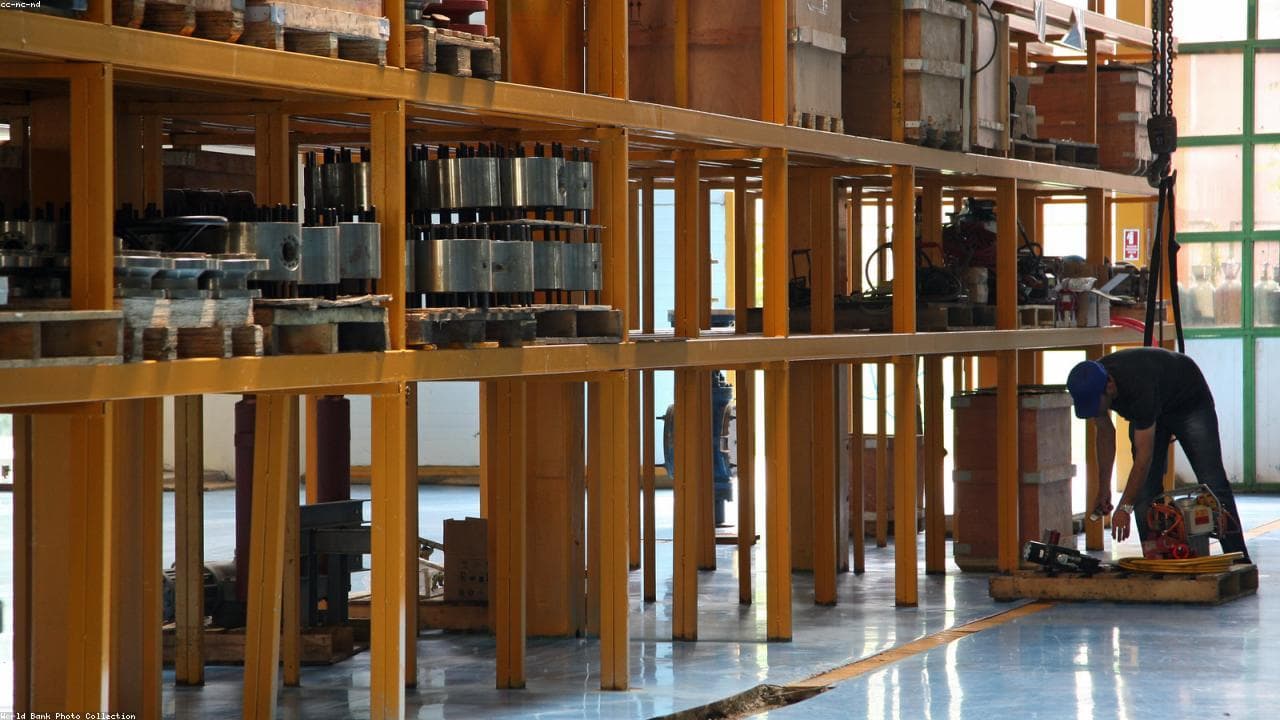
Industrial Robot & Cobot Safety drills for automotive in Ahmedabad.
Book a walkthrough or start a focused pilot on your site.